Anthropic's Claude Code Projects get a proactive coordinator, thread sharing and reminders
Anthropic shipped a second act for Projects in Claude Code on Friday, and the headline change is about who does the checking in. The project's coordinator — the Claude instance that scopes a request, splits it across parallel threads, and stitches the results back together — is now, in Anthropic's words, 'much more proactive': it answers questions directly in the project chat and posts status updates as its threads make progress, instead of waiting to be asked.
- The announcement: a thread from Anthropic's ClaudeDevs account on X, posted at 5:51 p.m. ET on November 13, 2026 — 525,000 views, 10,000 likes and 647 reposts within hours.
- The headline change: the project coordinator is now proactive: it answers questions in the project chat and posts status updates on its running threads, instead of waiting to be asked.
- New commands: /btw moves a tangent into its own thread so the current one stays on topic; /fork starts a new thread from the current one to try a different approach.
- Reminders and sharing: set a reminder on any thread, or ask Claude to remind you; share an individual thread as a read-only link with anyone signed in to Claude — except threads that had access to your computer, which cannot be shared.
- Availability: public beta on Pro and Max plans, with a waitlist for subscribers without access; Team and Enterprise plans come later.
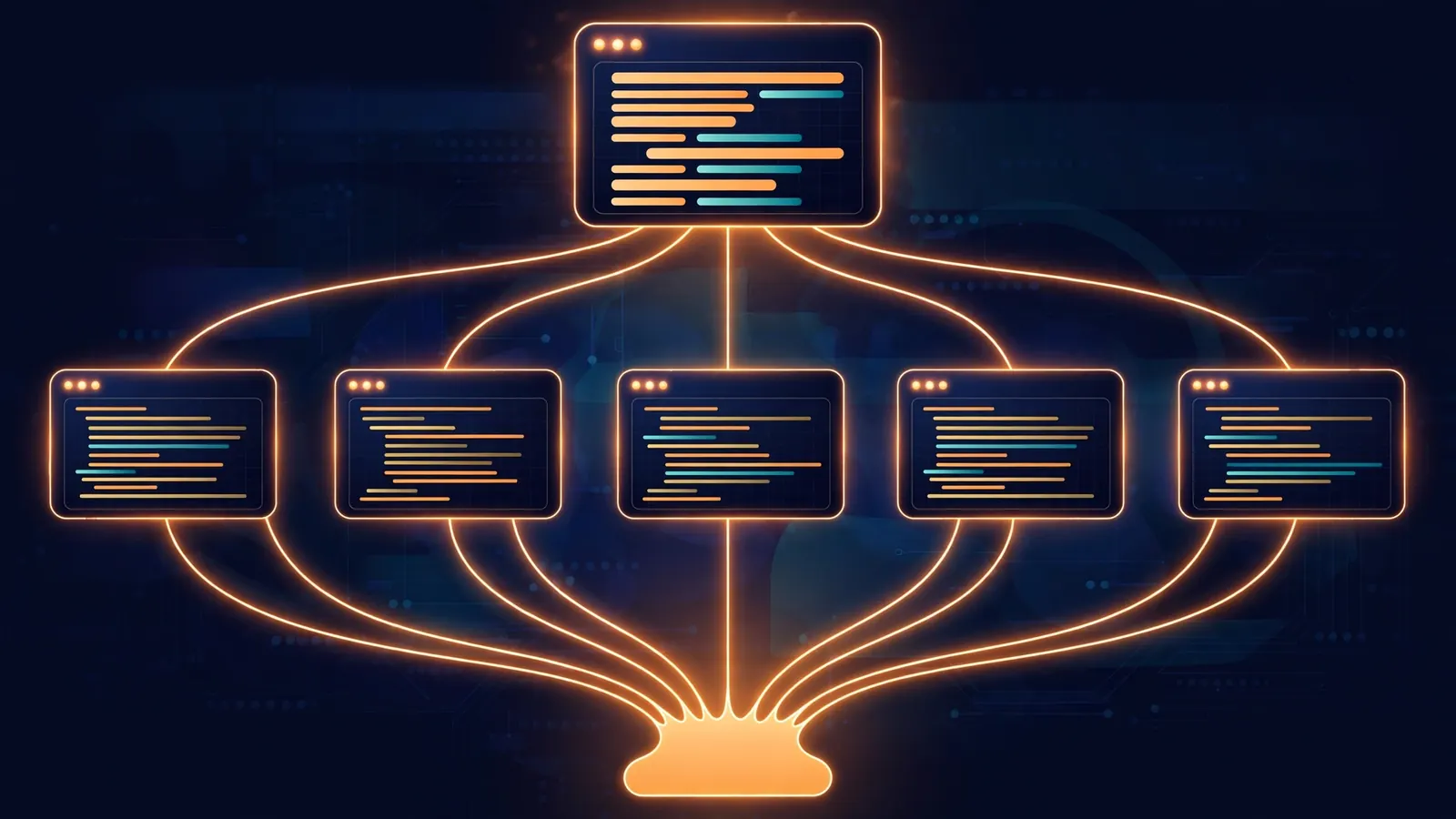
Anthropic shipped a second act for Projects in Claude Code on Friday, and the headline change is about who does the checking in. The project's coordinator — the Claude instance that scopes a request, splits it across parallel threads, and stitches the results back together — is now, in Anthropic's words, 'much more proactive': it answers questions directly in the project chat and posts status updates as its threads make progress, instead of waiting to be asked.
The update, announced by Anthropic's ClaudeDevs account on X on November 13, also adds /btw and /fork commands for spinning off side threads, reminders that park a thread until a set time, read-only sharing links for individual threads, and a tidier threads panel with artifact thumbnails. The announcement post passed 525,000 views and 10,000 likes overnight — a strong reception for what is, on its face, a workflow polish release rather than a new model. That is the point: the most-used coding harness is now selling multi-agent coordination as a default, not a demo.
What changed on November 13#
The announcement was a six-post thread. In brief:
- A more active coordinator. It answers questions in the project chat and gives updates on the status of ongoing threads.
- /btw and /fork. /btw moves a new topic to its own thread so the current one stays on topic; /fork starts a new thread from the current one to try a different approach.
- Reminders. Set a reminder on any thread, or ask Claude to remind you. The thread moves out of the way until then, then returns and Claude raises it in the project chat.
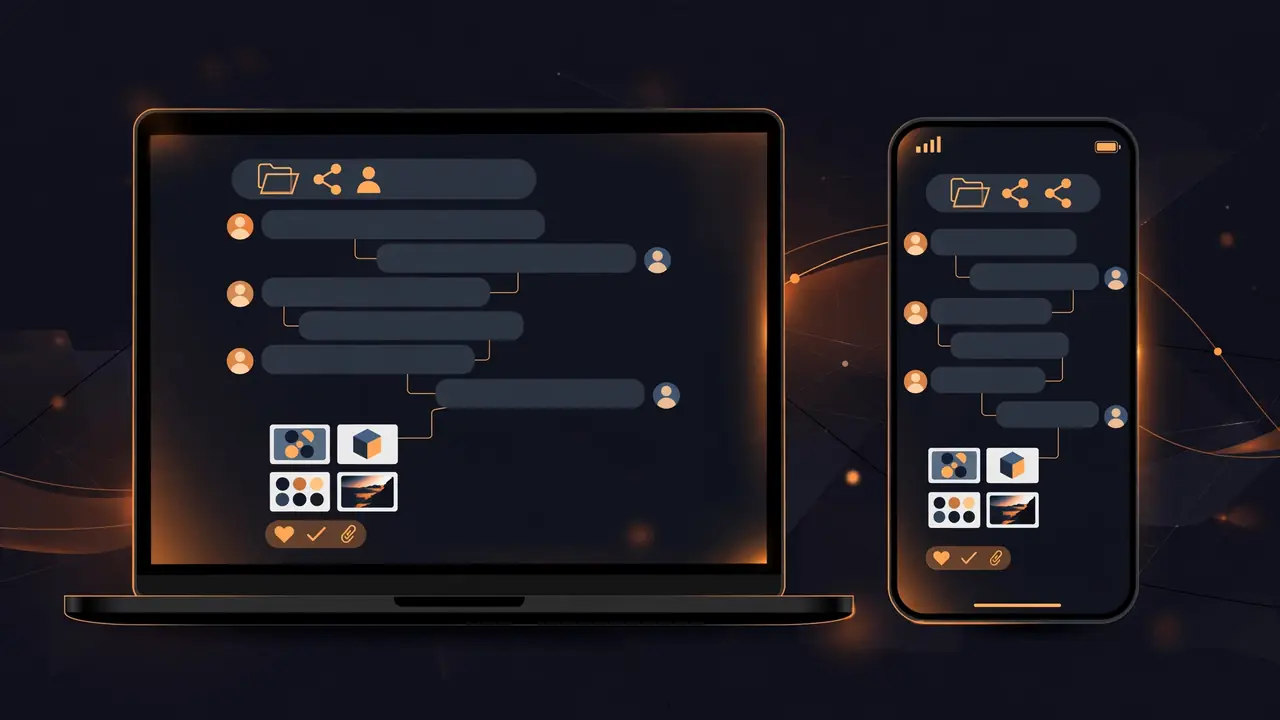
- Thread sharing. Share an individual thread as a read-only link with anyone signed in to Claude, from the thread menu. Threads that had access to your computer cannot be shared.
- Artifacts are easier to find. The threads panel has a top row of recently opened, updated, or pinned threads, and each thread shows thumbnails of its artifacts, which can be turned off in view settings.
- Simpler settings. Project settings and local folder access are simpler, on web and desktop, with the new design in the latest mobile app.

The coordinator is the story#
Projects only became this shape two months ago. On September 17, Anthropic redesigned them from a folder of files into a conversation with a manager in it: you describe the goal, Claude scopes it, delegates the pieces to parallel threads, reviews what comes back, and assembles the result. Each thread is a full Claude Code cloud session on its own branch and copy of the repository, and a thread can split its own assignment further with subagents. All threads draw on one shared project memory, and a library collects the files you add and the artifacts the threads produce.
That design moves the human one level up: from approving each action to briefing a coordinator. The November update is about removing the remaining babysitting — the coordinator now reports instead of waiting to be polled. The trade-offs are unchanged and worth naming. Overlap between threads is not prevented, it is surfaced as an ordinary merge conflict for you to resolve. And because a project is several full Claude Code sessions running at once, Anthropic warns it can reach usage limits faster; the mitigation is a project-level usage view and separate model and effort settings for the coordinator and the workers.
Who gets it, and what it costs#
Projects is in public beta on Pro and Max, with a waitlist at claude.com/form/projects for subscribers who do not have access yet. The beta opened on September 17 to a narrow slice of Pro and Max subscribers using cloud sessions, and Anthropic opened the waitlist to all Pro and Max users on October 9. Team and Enterprise plans come after that, and existing projects keep working as they are today, upgraded as the rollout reaches chat and Cowork.
One open thread from the announcement itself: at launch, threads ran in the cloud only, with running them on your own machine promised as coming very soon. The November 13 thread refers to threads that had access to your computer — but does not say when that arrived, or whether such threads share the project's memory. Anyone whose code cannot leave the building is still waiting for the answer.
What to watch#
Three things to track from here. First, local threads: when they actually arrive, and whether they share the project memory. Second, memory controls: Anthropic's posts give no way to inspect, correct, or export the shared memory a project builds over a week — that record is, for now, Claude's to keep. Third, the bill: the first published accounts of what a week-long project costs against Pro and Max limits will say more about who this is really for than any launch thread. The coordinator pattern is now the default way the most-used coding harness runs more than one agent at a time; the question is how much of the management work it actually takes off your plate.
Sources: Anthropic ClaudeDevs on X — We've made some big updates to Projects in Claude Code! (Nov. 13, 2026); CellCog — Claude Code Projects: One Chat Directs Parallel Threads (Nov. 14, 2026); AlphaSignal — Anthropic Upgrades Claude Code Projects to Run Parallel AI Workers Hands-Free (Nov. 13, 2026); DEV — Anthropic upgrades Claude Code Projects: the coordinator now reports in chat while parallel AI workers run hands-free (Nov. 13, 2026).