DOJ is asking whether Nvidia's $12.93B Hugging Face deal would capture a key distribution point for AI
The Justice Department is asking whether Nvidia's $12.93 billion purchase of Hugging Face would hand the chipmaker control of a key distribution point for AI — the latest turn in a years-long antitrust probe of Nvidia's conduct.
- The inquiry: DOJ officials have asked whether the Hugging Face deal would let Nvidia capture a fundamental distribution point for AI, Reuters reported October 28, 2026.
- The deal: $12.93 billion, announced in early September 2026, expected to close in the first half of 2027; Nvidia says Hugging Face will stay neutral across rival chips, clouds and software.
- Why it matters: Hugging Face hosts roughly 3 million open-source models used by 18 million developers — the shelf where the open-model world shops.
- The wider probe: the questions sit inside a years-long DOJ examination of Nvidia's conduct, covering acquisitions, investments, sales practices and customer pressure, including Run:ai, SchedMD and a roughly $20 billion Groq licensing and talent arrangement.
- The precedent: Nvidia's last transformational deal, the $40 billion Arm acquisition, was sued by the FTC in December 2021 and abandoned in 2022.
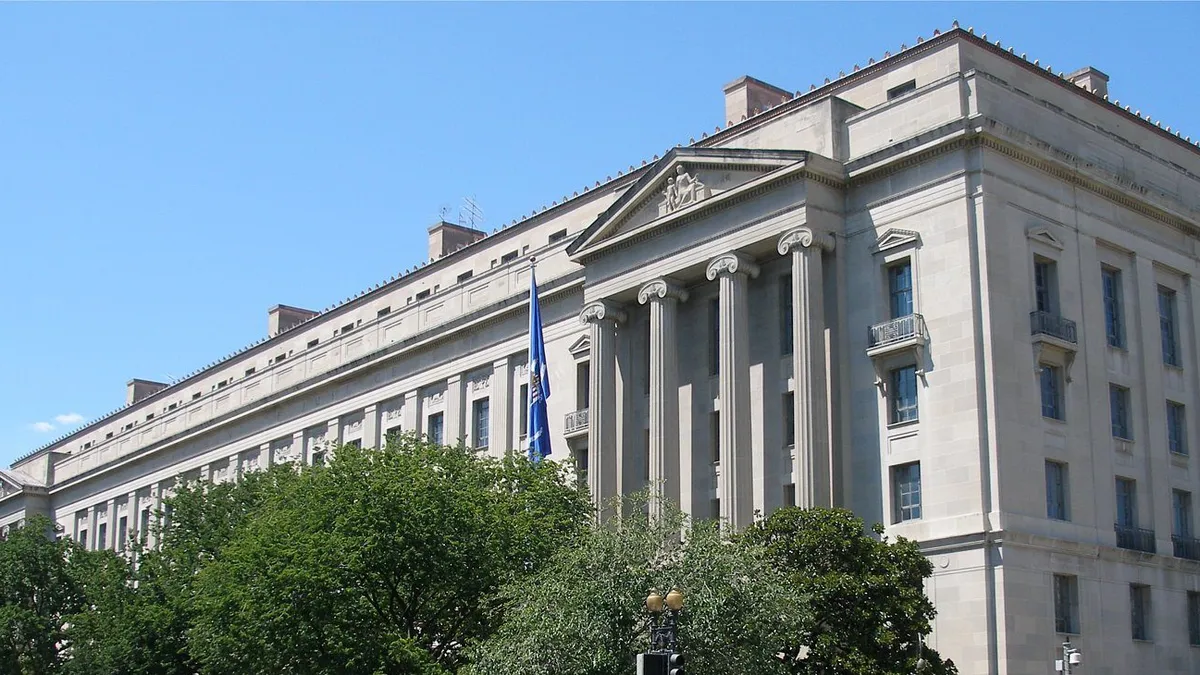
The United States Department of Justice has started asking questions about Nvidia's $12.93 billion deal to buy Hugging Face, Reuters reported on October 28, citing two people familiar with the matter. At the centre of the inquiry is a single worry: that owning the platform where developers find, share and deploy models would give the world's dominant AI chipmaker control of a fundamental distribution point for AI.
The questions do not amount to a case: staff inquiries are not evidence of wrongdoing and may never become a lawsuit, a point the department itself made. But officials asking at all, inside a probe spanning years and several other Nvidia transactions, shows how seriously Washington now takes the plumbing underneath the AI boom.
What the department is asking#
According to Reuters, officials have asked whether the deal would let Nvidia capture a distribution point for AI and use it to gain leverage over rivals or harm them. Nvidia announced the agreement in early September and expects it to close in the first half of 2027, with Hugging Face continuing to support work across rival chips, clouds and software. Nvidia declined to comment; Hugging Face did not respond to Reuters.
The framing matters. This is not, on the reporting so far, a complaint about chip prices or one squeezed rival. It is about a bottleneck: the place where models are discovered. Control that shelf, the theory goes, and you shape which models developers reach first, which run most smoothly on your hardware, and which integrations become defaults. Nvidia's answer is a promise: the shelf stays neutral. The open question is whether a promise is enough, and who would police it if it were not.
Why Hugging Face is the shelf that matters#
Hugging Face is routinely described as the GitHub of AI models, and the numbers explain why: roughly 3 million open-source models used by 18 million developers, against only about $150 million in annualized revenue. The revenue is small; the position is not. For much of the open-model world, Hugging Face is the default first stop — search box, download button and leaderboard in one place.
That is what makes the combination sensitive. Nvidia already sells most of the chips that train and run those models. Add the main place developers go to get them, and one company would own both the engine room and the shop window. Supporters call the assets complementary: open hardware sales grow when the platform stays open. Critics reply that ownership advantages rarely arrive as a closed door — they show up as defaults, rankings, early access and engineering priorities, hard to prove from outside and harder to unwind.
A wider probe, not a one-deal review#
The Hugging Face questions do not stand alone. Reuters reports that they sit inside a years-long Justice Department examination of Nvidia's conduct that began under President Joe Biden and has continued under President Donald Trump, covering acquisitions, investments, sales practices and whether the chipmaker pressures its customers.
The other transactions named sketch the probe's shape: the earlier purchase of Run:ai, the December 2025 acquisition of supercomputing software firm SchedMD, and a roughly $20 billion licensing and talent arrangement with AI chip startup Groq, under which Nvidia licensed Groq's technology and hired its top executives rather than buying the company outright. Investigators have also examined whether Nvidia offered larger chip allocations to customers who bought its networking gear and processors. A department spokesperson pushed back on one characterization, saying it would be inappropriate to conduct a merger investigation under the guise of a conduct investigation — a signal the department wants this seen as a conduct matter touching a pending deal, not a merger review by another name.
The Arm precedent#
Nvidia has been here before. Its last attempt at a transformational acquisition, the $40 billion purchase of chip designer Arm, was sued by the Federal Trade Commission in December 2021 and abandoned in 2022. The deals differ — Arm licenses chip designs to the whole industry, while Hugging Face hosts models — but the memory shapes expectations: when Nvidia tries to buy a piece of shared infrastructure, regulators look hard, and the process can end the deal rather than merely delay it.
Nvidia's own filings carry a related signal: risk language flagging that governments may impose new requirements on the development and use of AI models, including open-source ones. Regulatory risk around model distribution is now something the company warns investors about, not a distant hypothetical.
What to watch#
Four things will decide how this plays out. First, whether the inquiry hardens into something formal — a merger review, an enforcement action, or commitments extracted in advance — or stays as questions inside the conduct probe. Second, whether the first-half-of-2027 closing timeline slips, usually the earliest public sign of trouble. Third, whether rivals, customers or developers weigh in publicly, defending Hugging Face's neutrality or arguing it cannot survive a change of ownership. And fourth, whether Nvidia offers enforceable commitments — firewalls, neutrality guarantees with teeth, independent oversight — rather than assurances alone.
For now, the deal is still on track and nothing has been blocked. But the question the department is asking — who controls the shelf — is now part of the deal's story, and it will not go away before the close.
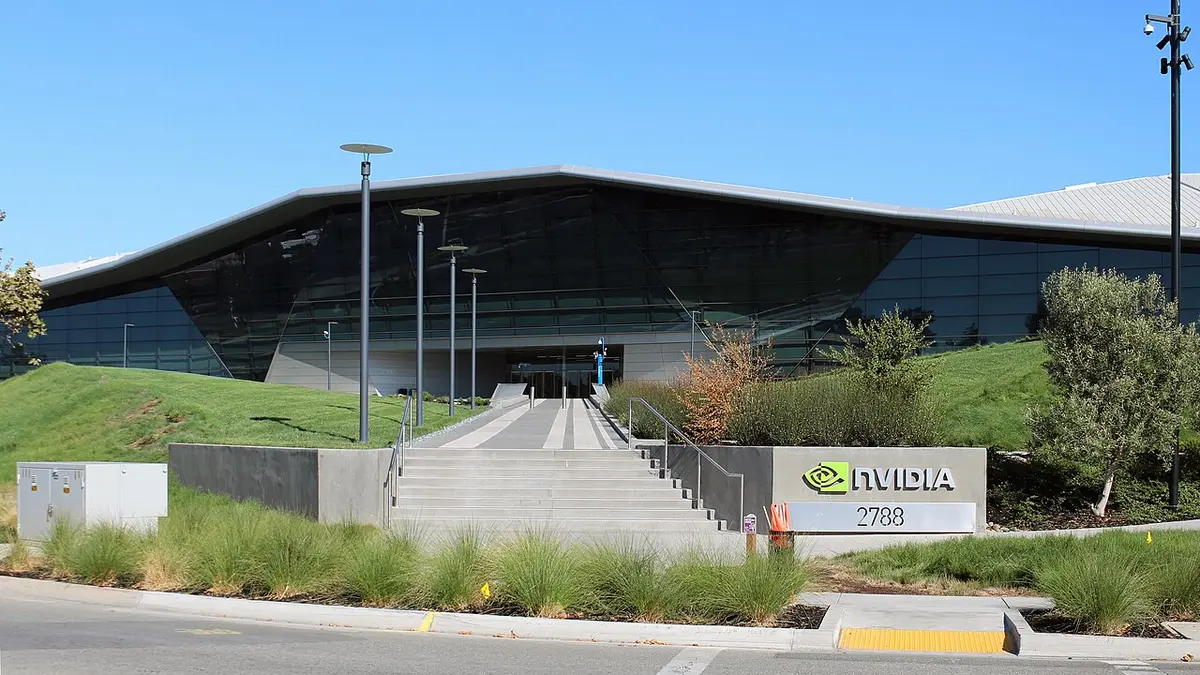
Sources: Reuters' October 28, 2026 exclusive, as carried by syndication and summarized by AI Weekly and AI Affairs; the department's statements as reported by Reuters. Cover photo: the Robert F. Kennedy Department of Justice Building, Washington, D.C., photographed by Coolcaesar, CC BY-SA 3.0 via Wikimedia Commons. Inline photo: Nvidia headquarters, Santa Clara, photographed by Coolcaesar, CC BY-SA 4.0 via Wikimedia Commons.