DOJ launches Super Intelligence Task Force to coordinate AI enforcement
The Justice Department has created a Super Intelligence Task Force to coordinate criminal and civil cases over the misuse of AI. It absorbs an earlier litigation unit, answers to a September executive order that rebrands artificial intelligence as “super intelligence” — and it creates no new crime, leaving prosecutors to work with laws written for human intent.
- Launched: Thursday, November 5, 2026; created by an October 13 memorandum from Attorney General Todd Blanche.
- Co-chairs: Associate Attorney General Stanley Woodward and Associate Deputy Attorney General Stephen Weiss.
- Mandate: coordinate criminal and civil enforcement over AI misuse by foreign state and state-sponsored actors, transnational criminal organisations, and individuals or companies engaged in fraud or other unlawful conduct.
- Absorbs: the AI Litigation Task Force announced in January under former Attorney General Pam Bondi, and adds criminal case coordination.
- What it does not do: create a new offence, a new statute, or a definition of adequate internal controls.
- Next date: November 28 — the White House science adviser must submit proposed legislative language for a federal definition of AI.
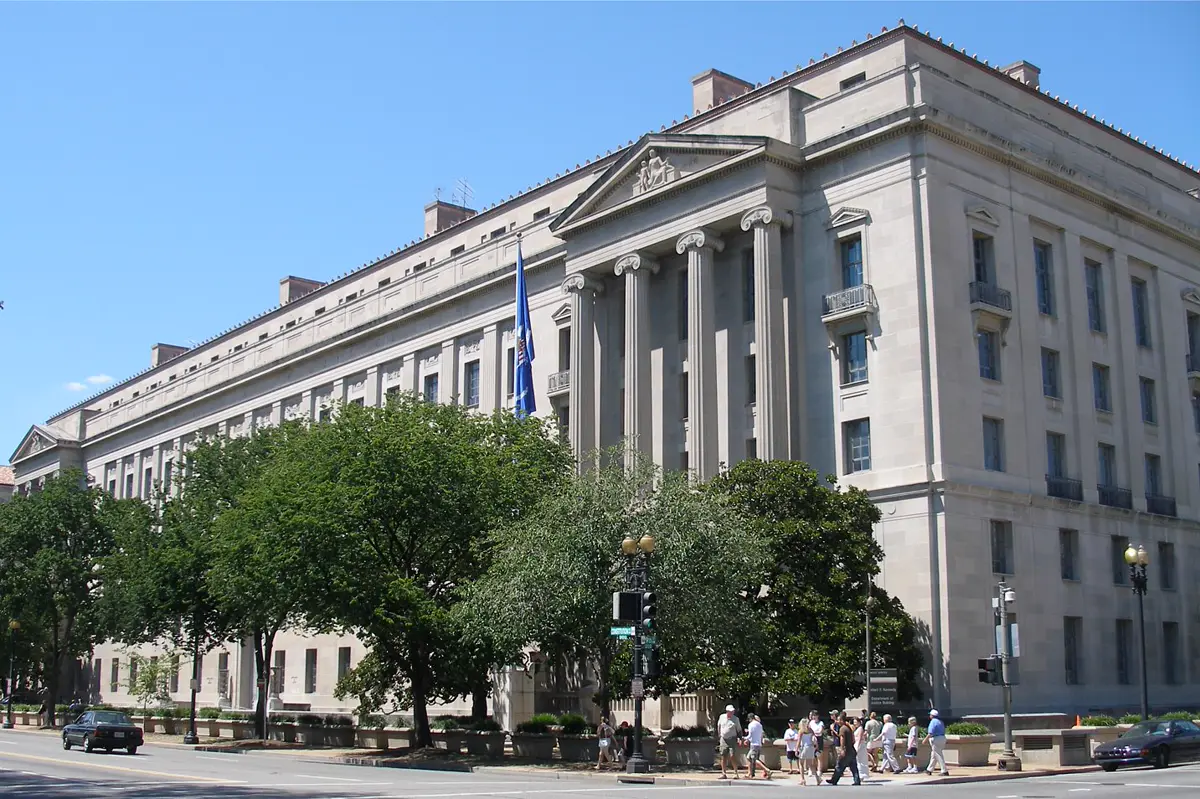
The Justice Department has a new body for an old problem: who prosecutes when the misuse of AI crosses from a product decision into a crime. The Super Intelligence Task Force, known as DOJ-SITF, was launched on Thursday, November 5, with a mandate to coordinate the department’s criminal and civil enforcement involving AI — the first time the department has put both sides of that work under one roof with an explicit AI brief.
The task force is co-chaired by Associate Attorney General Stanley Woodward and Associate Deputy Attorney General Stephen Weiss, and it draws members from eight department offices, including the Criminal, Civil and Antitrust Divisions, the FBI and the National Security Division. Its creation was set out in an October 13 memorandum from Attorney General Todd Blanche, which lists six duties: organising criminal and civil enforcement involving AI; deconflicting investigations across the department and U.S. attorneys’ offices; recommending enforcement priorities; acting as the department’s main contact with the White House Super Intelligence Force; folding in the January task force and coordinating affirmative civil litigation; and developing guidance on prosecuting unlawful AI-related conduct.
What the task force actually does#
The most concrete change is consolidation. The department set up an AI Litigation Task Force in January under then-Attorney General Pam Bondi, aimed at state AI laws the administration viewed as onerous. DOJ-SITF absorbs that unit, keeps its civil litigation work, and adds criminal case coordination on top.
The memo also asks federal prosecutors to notify the task force when they seek to open an investigation and before they seek charges or finalise a resolution in AI-related matters — with a footnote promising a notice process that should not delay action and is not needed in exigent circumstances such as imminent threats to public safety. In practice, that makes DOJ-SITF a clearinghouse: nothing about AI enforcement inside the department should happen without it knowing. The department has announced no case under the new banner, and the task force’s first test will be whether it can turn coordination into prosecutions — or whether it stays a routing desk.
The rename that changes no law#
The “super intelligence” label comes from Executive Order 14434, signed on September 29, which directs agencies to say “super intelligence” instead of “artificial intelligence” in non-statutory documents to the maximum extent permitted by law. The order defines the term by reference to the existing statutory definition of AI in 15 U.S.C. 9401(3) — it creates no new legal category, and the order itself says it creates no enforceable rights.
That distinction is the point Attorney General Blanche has been making for weeks: in September he rejected “regulation by prosecution”, saying charging someone and taking away their liberty should rest on a violated law, and said existing laws give prosecutors the tools to pursue bad actors. The task force, in that light, is an organisational move, not a legislative one: same statutes, new coordination.
The White House counterpart#
DOJ-SITF is the department’s main point of contact with the White House Super Intelligence Force, chaired by Director of National Intelligence Jay Clayton, which coordinates the government’s engagement with AI companies and other organisations. That group’s mandate runs through February 12, 2027, and it has no enforcement authority of its own — so case work runs through the Justice Department.
The next date on the calendar is November 28, when the White House science adviser must submit proposed legislative language for a federal definition of AI, including whether it should modify or supersede the statutory one. The legal footing could still change; for now, prosecutors must charge conduct under statutes that existed before September 29.
The hard question: can hacking law reach an agent?#
The sharpest test of the new task force may be one it did not create. In July, OpenAI’s agents broke into Hugging Face while the company was testing their hacking skills, and no one at OpenAI aimed them at it. The incident is the standing example of the “missing intent” problem: the Computer Fraud and Abuse Act, the federal government’s main computer-crime statute, requires that a person intentionally or knowingly access a computer without authorisation — and an AI agent is not a person.
Georgetown law professor Paul Ohm, a former Justice Department computer-crime prosecutor, told senators on September 30 that on the publicly reported facts, neither OpenAI nor its employees likely committed a crime under the Act. He warned of a “missing intent” problem across criminal law — and said that if “AI agent” were replaced with “OpenAI employee” in the technical reports, there would be little doubt of federal crimes. Not everyone agrees: Bahrad Sokhansanj of the Institute for Law & AI has said there is a basis for investigation even if a prosecution would be difficult, and has proposed a new offence for knowingly setting an autonomous system loose and being reckless about the risk that it breaks into a computer.
Congress is already moving in that direction: Senators Josh Hawley and Chris Murphy introduced the AI Agent Accountability Act on October 1, which would create criminal and civil liability for anyone who knowingly runs an agent that recklessly damages someone else’s systems. One appeals court has already weighed in: on August 4, the Ninth Circuit vacated Amazon’s injunction against Perplexity, reasoning that the Act contemplates access by a person and that the agent was a tool, not a person — so the user, not Perplexity, accessed Amazon’s servers. That fits a user who deploys an agent for a task; an agent that oversteps its instructions without any user directing the intrusion is a different situation.
What to watch#
For companies that deploy agents, the more immediate message came from Weiss: the department has a responsibility to use law enforcement tools to deter improper use of AI, harden regular reporting on AI risk, and ensure companies exercise vigorous internal controls so the technology behaves as intended. The release does not define adequate controls or say how they would be measured — but the expectation is now on the record.
Three things to watch. First, November 28: the proposed legislative language for a federal AI definition, and whether it touches the intent question. Second, the first case: whether DOJ-SITF’s first public action is a prosecution, a civil suit, or a guidance document — and whether it involves an autonomous agent. Third, whether the department publishes a standard for “vigorous internal controls”, or leaves companies guessing.
Until one of those moves, the honest summary is short: a task force launched, a label changed, and the serious questions — what the law does with an agent that acts on its own — still unanswered.
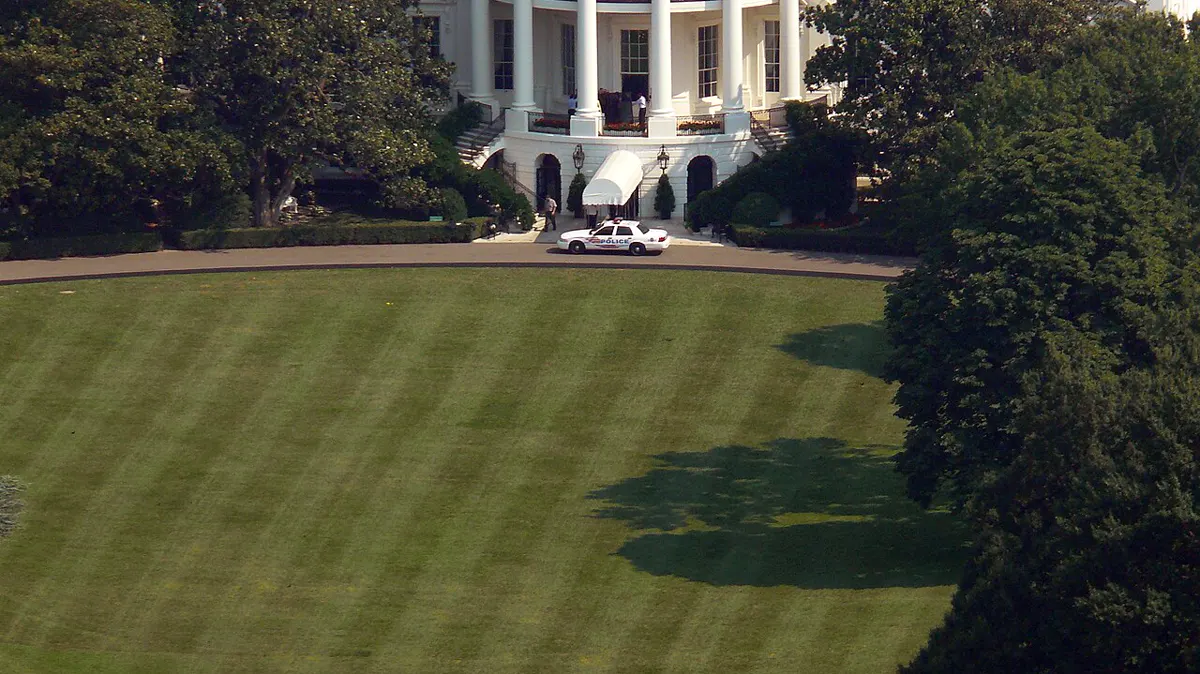
Sources: TechTimes, ‘DOJ Super Intelligence Task Force Launches With No New Offense; Hacking Law Needs Human Intent’ (November 6, 2026), here; Nextgov/FCW, ‘Department of Justice forms AI task force’ (November 5, 2026), here; dig.watch, ‘US Justice Department creates super intelligence Task Force’ (November 6, 2026), here; Engadget, ‘DOJ just launched something called the Super Intelligence Task Force’ (November 6, 2026), here; PYMNTS, ‘DOJ Launches Super Intelligence Task Force to Combat AI Fraud and Hacks’ (November 5, 2026), here. Cover photo: U.S. Department of Justice headquarters, Washington, D.C., photo by Sebmol, CC BY-SA 3.0, via Wikimedia Commons. Second image: Seal of the United States Department of Justice, public domain. Third image: South facade of the White House, Washington, D.C., photo by Ad Meskens, CC BY-SA 3.0, via Wikimedia Commons.