The FAA’s $875M AI air-traffic tool went nationwide — then every US flight was grounded
The FAA’s new AI route-planning tool, SMART, reached all 22 air traffic centers this week. Hours later, a communications failure grounded every departing flight in America — and the internet blamed the AI. The evidence says otherwise.
- The tool: SMART (Strategic Management of Airspace Routing Trajectories), an $875 million cloud-based system that blends about 200 data streams to forecast congestion and propose alternate routes. Controllers validate its suggestions and keep final say; it cannot direct aircraft or replace controllers.
- The rollout: first live in Washington, D.C. airspace on September 21, where the FAA says it rerouted 180 flights for about 10 minutes and 80 gallons of fuel saved apiece. On November 10 the agency announced it would now use SMART in the airspace of all 22 air route traffic control centers.
- The ground stop: ordered at 3:54 p.m. ET on Friday, November 13, holding all departing flights at all US airports until further notice. Flights already airborne could land; inbound international flights were handled case by case. FlightAware counted nearly 7,000 flights delayed or canceled, according to Reuters.
- The stated cause: a communications issue affecting all Air Route Traffic Control Centers, per Transportation Secretary Sean Duffy. Homeland Security Secretary Markwayne Mullin said a telecommunication outage prompted the order and there was no indication of a cyberattack. No precise technical cause had been named as of Friday evening.
- The online reaction: two r/singularity threads — one on the SMART rollout, one on the ground stop — each gathered more than 200 upvotes within hours, with the top comments correcting the premise: SMART only suggests routes and had already been running since mid-September.
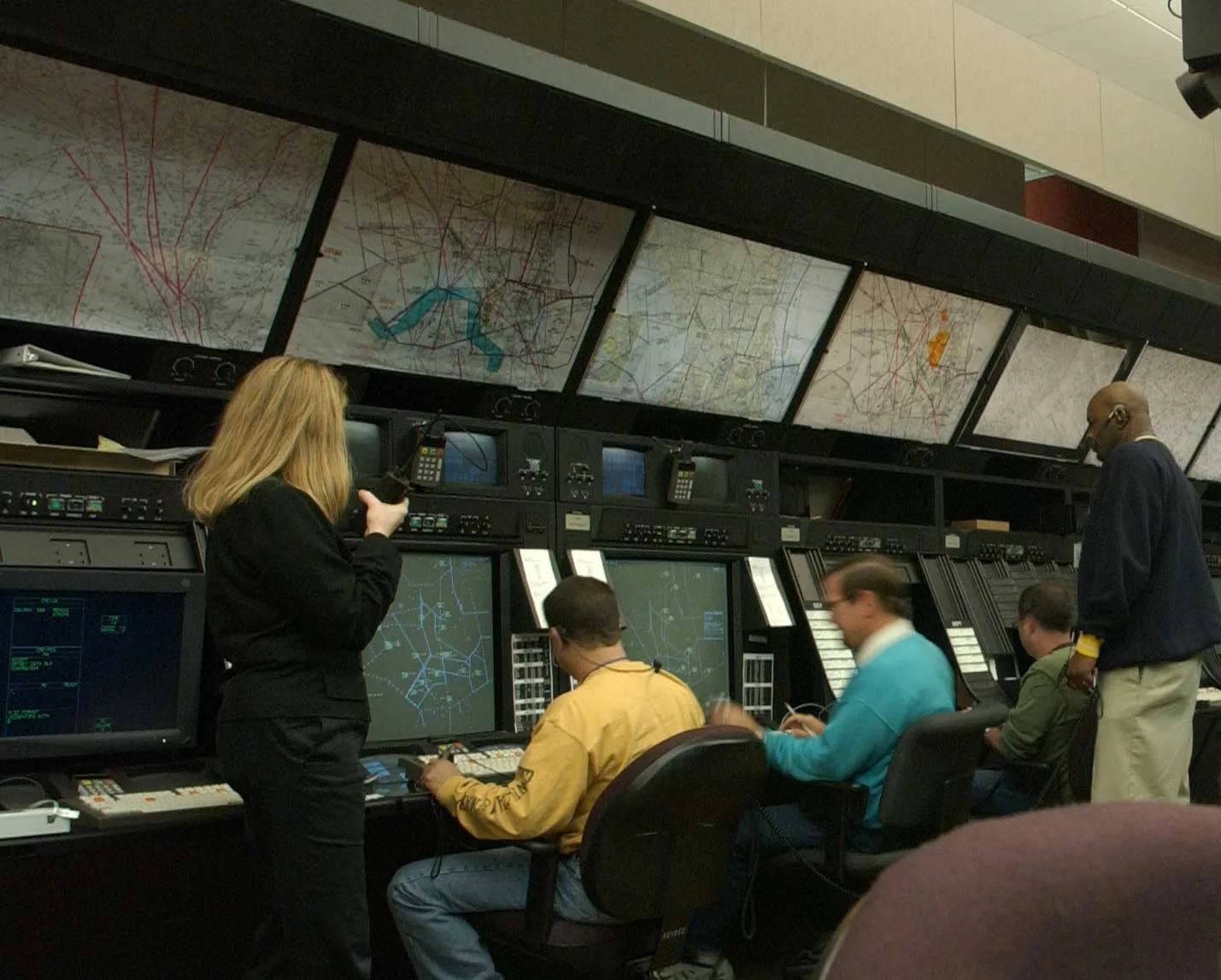
On Friday afternoon, the Federal Aviation Administration ordered every departing flight in the United States to stay on the ground. The nationwide ground stop — the first of that scale since a failed safety-notice system grounded flights in January 2023 — came with a terse explanation: a communications failure was hitting the air route traffic control centers, and technicians were investigating.
It landed the same week the FAA’s new AI traffic-management tool went live across all 22 of those centers. Within hours, the coincidence was the story: two threads on r/singularity, each gathering more than 200 upvotes, asking the same question — did the AI do it? On the evidence available Friday evening, no. The question is the interesting part: it shows how fast a real AI deployment can become the suspect in a crisis it had nothing to do with.
What SMART is — and what it isn’t#
SMART stands for Strategic Management of Airspace Routing Trajectories. It is a cloud-based system that pulls in about 200 data streams — weather, flight paths, traffic flow, controller staffing — and uses them to forecast congestion and propose alternate routes. The FAA says specialists validate its recommendations and controllers keep the final say; it cannot direct an aircraft, separate traffic, or replace a controller — a route adviser, not a controller.
The system cost $875 million and first went live in Washington, D.C. airspace on September 21. The FAA says it has since rerouted 180 flights, saving an average of about 10 minutes and nearly 80 gallons of fuel per flight — roughly $345 a flight at current jet fuel prices. On November 10, the agency announced it would extend SMART to all 22 air route traffic control centers, and the expansion was reported widely on November 12 and 13.
| SMART at a glance | Detail |
|---|---|
| Cost | $875 million |
| First deployment | Washington, D.C. airspace, September 21 |
| National scope | All 22 air route traffic control centers, announced November 10 |
| What it does | Proposes alternate routes from about 200 data streams |
| What it can’t do | Direct aircraft, separate traffic, or replace controllers |
What happened on Friday#
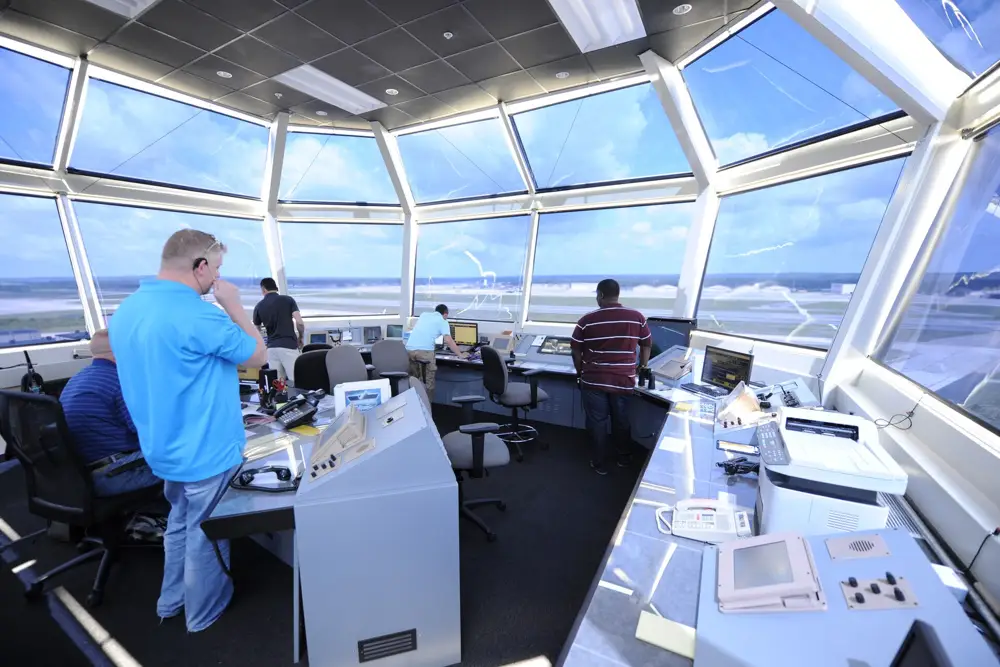
The ground stop was ordered at 3:54 p.m. ET. The FAA’s advisory cited “extraordinary circumstances and for reasons of safety” and held all departing traffic until further notice. Flights already in the air were allowed to land; inbound international flights were handled case by case. FlightAware counted nearly 7,000 flights delayed or canceled, according to Reuters.
What failed, by the FAA’s account, was communications. Transportation Secretary Sean Duffy said the stop followed “a communication issue impacting all Air Route Traffic Control Centers.” Reporting put the first problems at around 3:30 p.m. ET at the FAA’s Kansas City center before the disruption spread. Homeland Security Secretary Markwayne Mullin told reporters a telecommunication outage prompted the order and that there was no indication of a cyberattack. As of Friday evening, the FAA had not named a precise technical cause.
Why the two got linked — and why the link doesn’t hold#
The timing did the work. SMART went national on November 10; the ground stop came three days later. On Reddit, the threads on the rollout and the stop both shot to the top of r/singularity within hours — and the top comments in both did something unusual for a breaking-news pile-on: they corrected the premise.
The corrections were specific. SMART only suggests routes; it does not touch the radio and communications systems that failed. It had already been running in the Washington area since mid-September — this was an expansion, not a switch-on. And the ground stop was a communications problem, not a routing one. A separate Microsoft Outlook and Teams outage the same day fed the same pile-on; no connection between the two outages has been confirmed.
The rollout still faces live questions. The FAA moved to a national rollout roughly 50 days into a 90-day test period it had described to airlines in September, and the agency has not explained why. The controllers’ union says it was not consulted on the design, testing or implementation of the tool. And more than two dozen members of Congress had written in October asking for the rollout to be paused, according to reports. Those are questions about how the system was deployed — they just aren’t evidence it grounded the country.
What to watch#
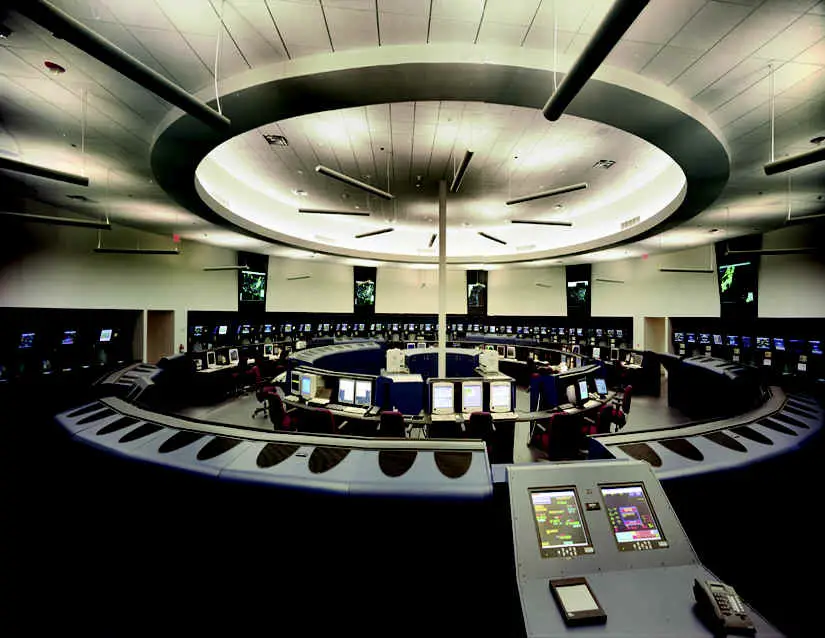
Three things. First, the cause: what actually failed in the FAA’s communications chain. Second, whether the ground stop changes the rollout’s politics — the union, the congressional letter, and the shortened test period were already pressure points before Friday. Third, the precedent: the FAA now runs an AI adviser across the entire national airspace, so the next incident, whatever causes it, will face the same instant suspicion. How the agency talks about the system will matter as much as how the system performs.
Sources: Gizmodo — The FAA Is Rolling Out Its AI Air Traffic Tool Nationwide (Nov. 13, 2026); Reuters — US grounds flights nationwide after air traffic control communications outage (Nov. 13, 2026); weather.com — FAA orders nationwide ground stop amid communication outage (Nov. 13, 2026); BigGo Finance — FAA Takes $875 Million AI Route Tool to All 22 Centers, Controllers’ Union Says It Was Shut Out (Nov. 13, 2026); After You Land — FAA Nationwide Ground Stop, 13 November 2026 (Nov. 13, 2026); r/singularity — The FAA rolled out its $875 million AI Air Traffic tool today (Nov. 13, 2026); r/singularity — FAA ordered stop of all flights (Nov. 13, 2026).