GIGABYTE adds a 64GB AI TOP ATOM to its DGX Spark desktop lineup — desktop AI gets a smaller entry point
GIGABYTE announced a 64GB version of its AI TOP ATOM mini PC today, adding a lower tier to its NVIDIA DGX Spark-based desktop AI line. It ships October 23 and joins the existing 128GB model — and up to four units can be clustered into a 256GB memory pool.
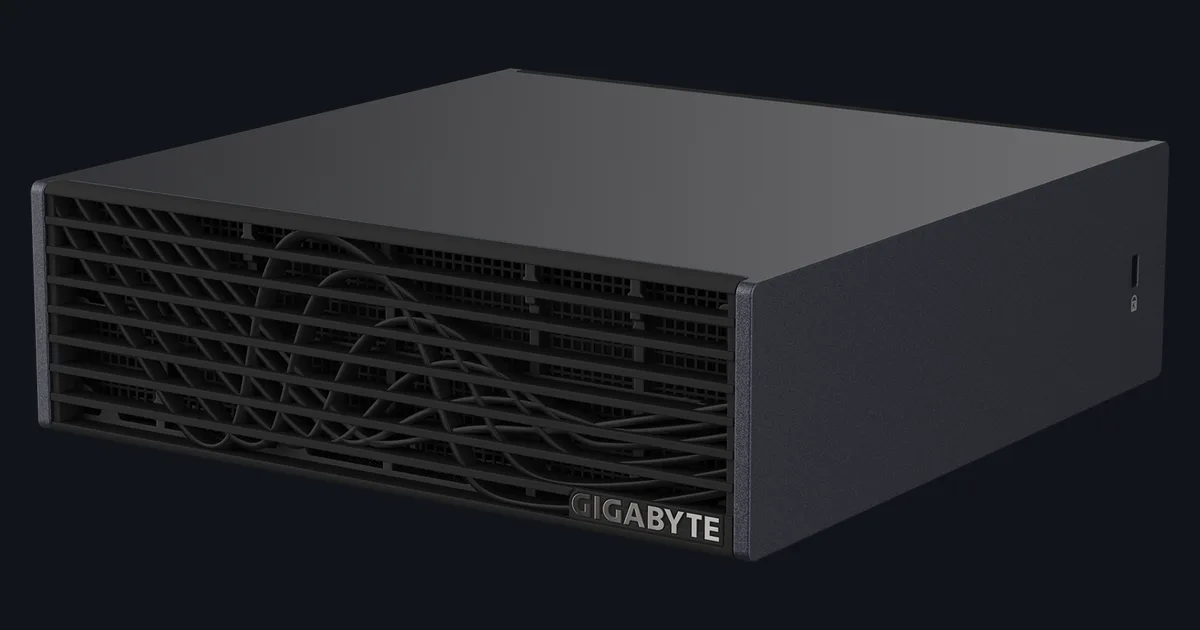
GIGABYTE announced the new configuration today from Taipei: a 64GB unified-memory version of the GIGABYTE AI TOP ATOM, expanding the line's existing 128GB offering. The new configuration keeps the same hardware design, is built on NVIDIA's DGX Spark platform, and goes on sale October 23.
A smaller tier for lighter workloads#
The pitch is capacity matching rather than compromise. GIGABYTE says developers, researchers, and enterprise teams can pick the memory tier that fits their model sizes and workflows — and move from early proof-of-concept work to practical deployment on the same platform. It is the standard playbook of a maturing hardware line: segment by memory, not by a single take-it-or-leave-it configuration.
The desktop-AI argument#
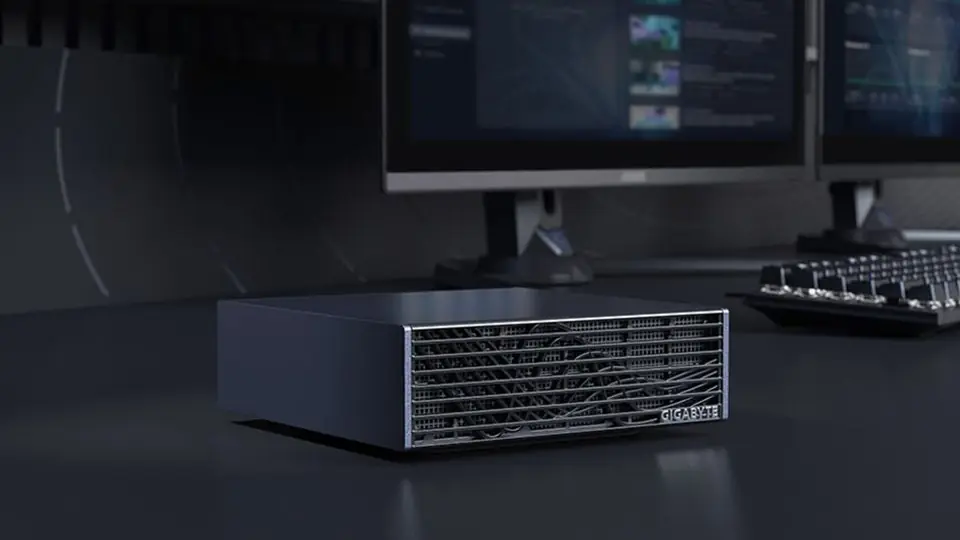
GIGABYTE's case for the line is the on-premises one: the AI TOP ATOM puts model inference, prototype development, and data analysis into a compact desktop box for offices, labs, and classrooms — giving teams more control over their development resources and project data instead of shipping everything to the cloud. As the company frames it, model testing and application validation are becoming part of everyday development workflows, not a specialized datacenter activity.
Cluster four and keep scaling#
The 64GB tier does not have to be a ceiling. Built-in ConnectX-7 networking lets developers cluster up to four AI TOP ATOM units with NVIDIA Sync, pooling memory and compute capability — four 64GB boxes pool to 256GB of unified memory, which is more than a single 128GB unit offers. For teams that outgrow one box, the upgrade path is another box, not a forklift replacement.
What we don't know yet#
GIGABYTE did not announce pricing — the release gives no price for the 64GB model, and neither do the republications of it. That leaves the key question open: how much cheaper is half the memory? The 64GB tier matters most as an entry point if it is priced like one, rather than a rounding error off the 128GB model. Also unanswered: launch regions and channel availability beyond the October 23 date. If GIGABYTE fills in those blanks in the coming weeks, the entry-tier story gets a lot more concrete.
Sources
- PR Newswire: GIGABYTE AI TOP ATOM 64GB Unified Memory Version Expands Possibilities for Desktop AI Development (Oct 2, 2026)
- Morningstar: GIGABYTE AI TOP ATOM 64GB Unified Memory Version Expands Possibilities for Desktop AI Development (Oct 2, 2026)
- AAP: GIGABYTE AI TOP ATOM 64GB Unified Memory Version Expands Possibilities for Desktop AI Development (Oct 2, 2026)