Google will send TPUs into orbit next week in Project Suncatcher's first space test
Google announced that Project Suncatcher's first prototype satellite will launch next week aboard SpaceX's Transporter-18, carrying four TPUs to find out whether AI chips can survive launch, radiation, and the vacuum of space.
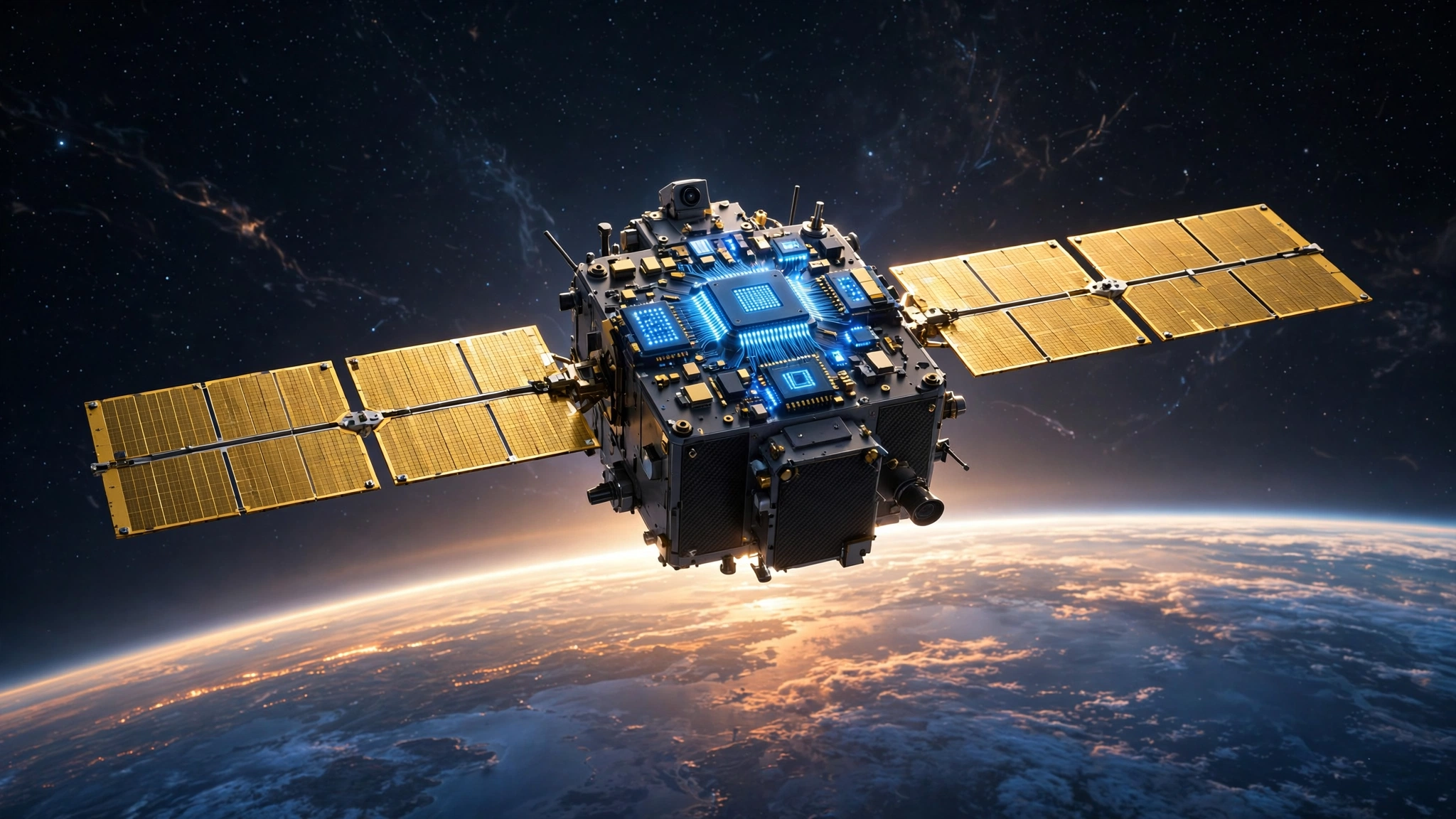
Google is about to put its first AI chips in orbit. On Thursday, the company announced that Project Suncatcher — its moonshot to run machine-learning infrastructure in space — will fly its first prototype satellite next week, aboard SpaceX's Transporter-18 rideshare mission. The satellite was developed with Planet, and it carries four Google TPUs into orbit for the first time.
The mission's goal is deliberately unglamorous: survive the ride, then report back on what broke. CEO Sundar Pichai announced the news on X with a line that reads like a mission patch: "Can our TPUs survive and operate in space? Well, we're going to find out... One small step for TPUs."
A torture test, not a data center#
Nobody is running commercial workloads in orbit next week. Google is explicit that this is an engineering experiment: gather in-orbit data on how its TPUs handle the physical stress of spaceflight and the radiation and thermal extremes of space, then feed those learnings into future designs. As the company put it in its announcement, "This first launch is about seeing what works, identifying points of failure, and applying those findings to future missions."
The stresses are real. Google says the roughly 10-minute ride into low Earth orbit subjects the spacecraft to intense vibration and acceleration loads up to 10 times Earth's gravity — and individual components, including the TPU chips themselves, can briefly experience forces 50 to 100 times stronger. The team shake-tested the satellite on all three axes to mimic launch frequencies, and said it was "pleasantly surprised" the hardware held up.
Then there's radiation. Solar events and cosmic rays can damage electronics or flip bits mid-computation. Google ran its Trillium TPUs through a proton beam at UC Davis's Crocker Nuclear Laboratory while the chips ran AI workloads, watching closely for how errors like bit flips affected the results. The chips, Google says, held up "remarkably well" — surviving a total radiation dose greater than what a typical five-year space mission would deliver.
Cooling: the question everyone asked#
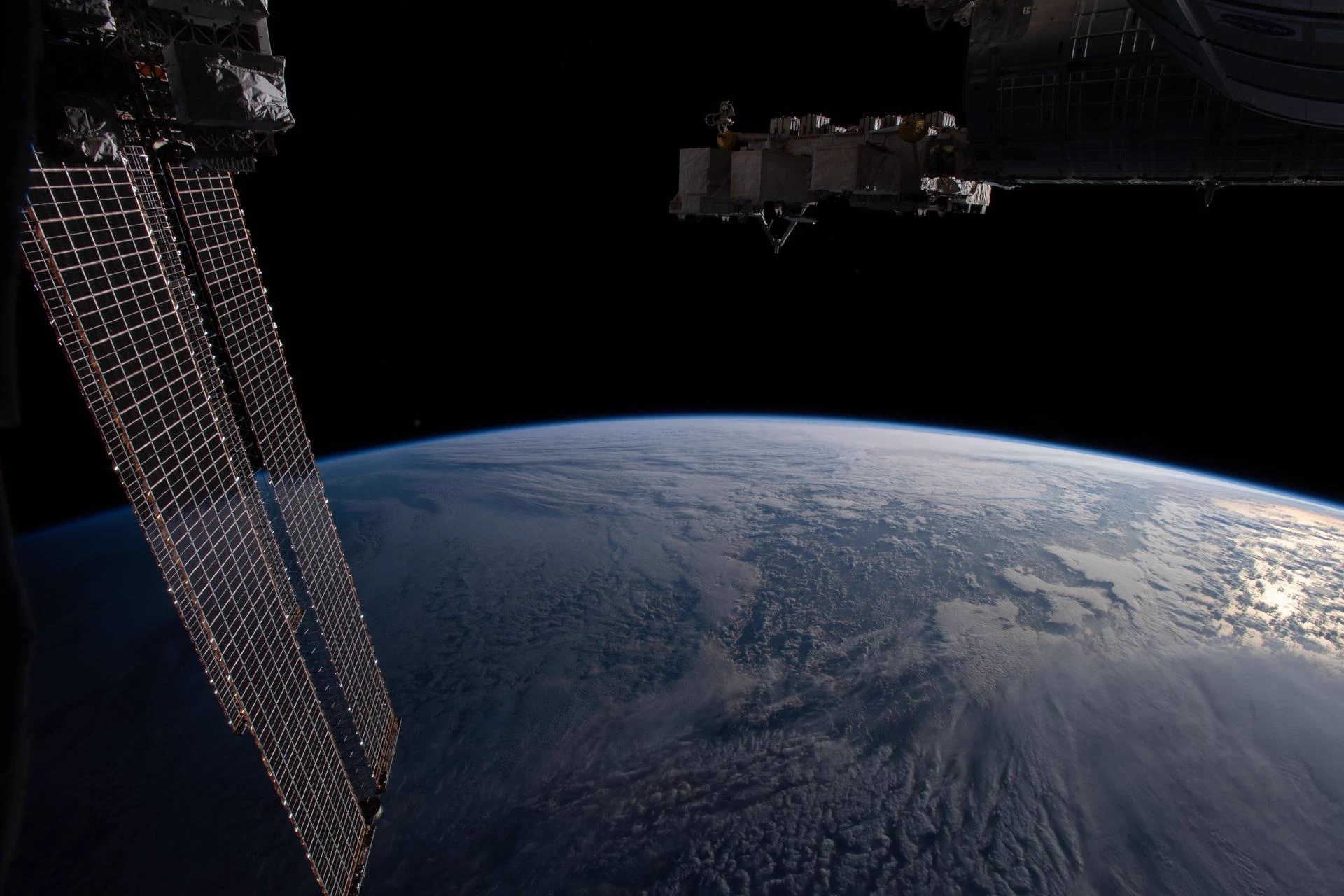
The skeptics' favorite question — and the one that dominated the discussion when Reddit's r/accelerate picked up the news within hours — is cooling. TPUs throw off enormous heat in a small area, and space has no air to carry it away. Google says it's working on a combination of heat pipes and radiators, and has already tested the approach in a thermal vacuum chamber simulating space conditions. "We'll see how our new TPU cooling system works in space and refine our designs as we learn more," the company wrote.
It's the right attitude for what's still a research program. Project Suncatcher was unveiled in November 2025 as a long-term exploration of whether space could one day host scalable machine-learning infrastructure — not as a product roadmap. This week's news is the first flight test, not the first announcement, a distinction the Reddit thread itself helpfully flagged.
Why space at all#
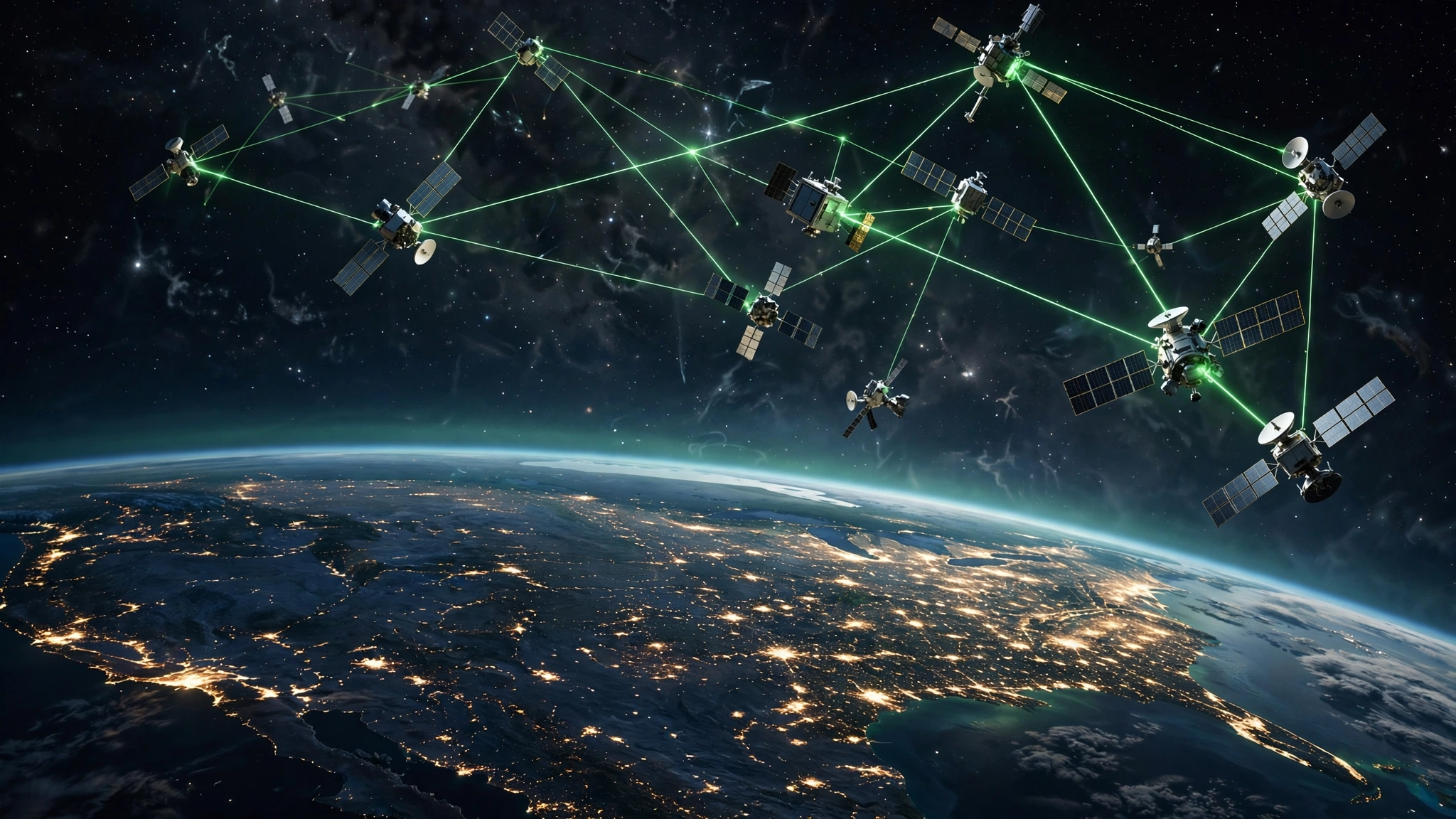
The pitch is energy. In low Earth orbit, satellites can catch near-continuous sunlight, and Google says solar panels up there can generate up to eight times more power than the same panels on Earth. The long-term vision: clusters of small, tightly networked satellites, each carrying dozens of TPUs, linked by laser beams instead of cables, soaking up sunlight to power AI workloads.
The terrestrial angle matters too. Data centers face growing backlash on Earth over electricity and water use, and the industry's energy appetite is the true engine of this story. Orbital compute is one answer among several — and Google is far from the only company chasing it.
A crowded orbit#
SpaceX has made space-based AI infrastructure a major part of its pitch to investors ahead of a potential IPO, and startup Starcloud already lofted an Nvidia H100 GPU into orbit in November 2025. The idea that AI companies will literally leave the planet in search of cheaper power and fewer constraints is no longer fringe — it's a crowded field.
The social signal was unmistakable. The r/accelerate thread announcing the news drew more than 250 upvotes and 160 comments within hours, mostly celebratory, with the liveliest arguments over cooling, launch economics, orbital debris, and whether chips launched today will be obsolete before the next constellation flies. The sentiment: after years of being told orbital data centers were impossible, the faithful are taking a victory lap — while the doubters, fewer in number, are still asking the hard questions about cost per kilowatt.
Those questions have teeth. Experts quoted by Reuters caution that orbital data centers remain years from commercial viability, citing launch costs, engineering constraints, and satellite production bottlenecks. Google isn't disagreeing: its own post frames the mission as the start of "methodical engineering" rather than a demonstration of anything operational.
What to watch#
First, the launch — press reports put it at October 1st aboard Transporter-18. Then, quietly, the data: Google's real prize is the telemetry on radiation errors, thermal behavior, and component failure. The 2027 milestone matters more than the spectacle: two satellites testing the high-bandwidth laser links that would make a cluster possible. Google says those lasers need to maintain what amounts to a coin-size target from miles away, with both ends in motion.
"Big breakthroughs happen when you work backwards from an end goal," Google wrote in its announcement. "In our case, it's to ensure AI's profound benefits in key areas, from healthcare to scientific discovery, can reach everyone, far into the future." The data center of the future might not be a building. It might be a constellation.
Sources#
- Google Research blog — "Learn about Google's Project Suncatcher to put ML infrastructure in space" (Sept 24, 2026)
- Reuters — "Google plans first test of AI chips in space under Project Suncatcher" (Sept 24, 2026)
- Gizmodo — "Google's Project Suncatcher Is Sending AI Chips Into Space Next Week"
- RuntimeWire — "Google will test its TPUs in orbit on SpaceX's Transporter-18" (citing Ars Technica)
- Mint/ANI — Sundar Pichai's X announcement (Sept 24, 2026)
- r/accelerate — "Google introduces Project Suncatcher" (Sept 24, 2026)