Buy or rent an H200 box? One LocalLLaMA user ran the break-even math — the line is 60% utilization
A LocalLLaMA user posted the actual working for renting vs. buying an 8-GPU H200 server: $370K to buy, $35.20/hour to rent, and owning wins at 60% sustained utilization. The comments spent the afternoon stress-testing every assumption.
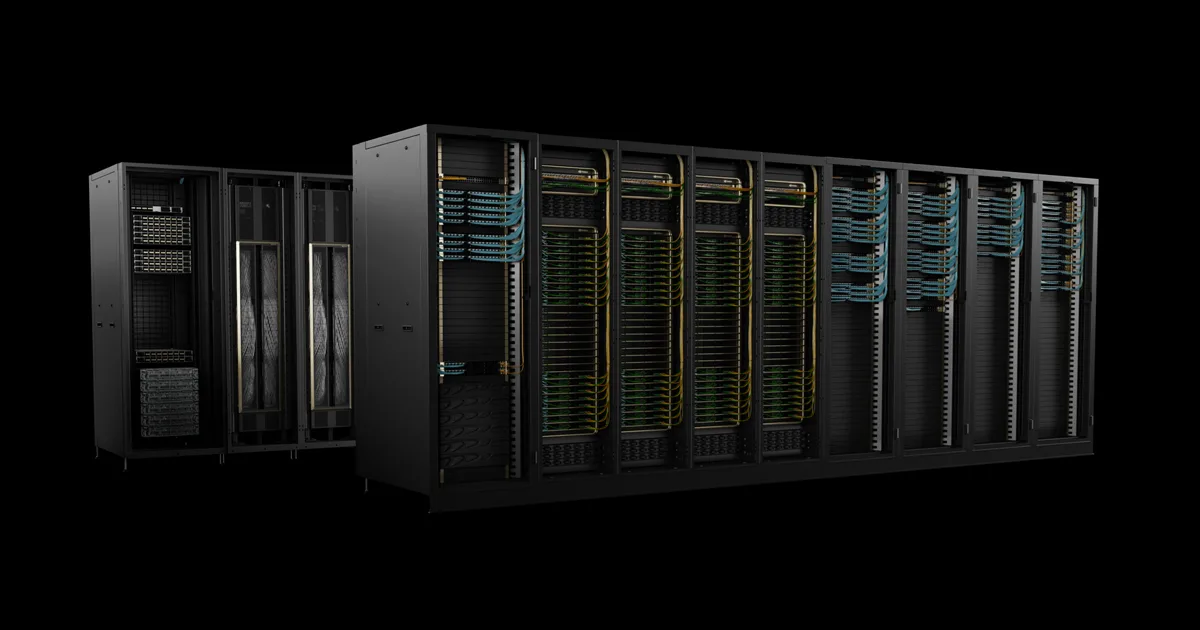
Rent-vs-buy threads for GPU hardware usually end in confident opinions and no numbers. This afternoon one landed with the numbers: a LocalLLaMA user posted their full working on buying an 8-GPU HGX H200 server versus renting the equivalent cloud capacity, and the thread turned into one of the day's most substantive hardware-economics discussions — 112 upvotes and 88 comments of people stress-testing the model.
The question is the one every small AI team hits eventually: at what utilization does owning the metal beat renting it by the hour? The poster's answer, hardware-only: about 60% sustained utilization over two years. Below 40%, renting wins. Here is the math, and the caveats the comments added.
The math#
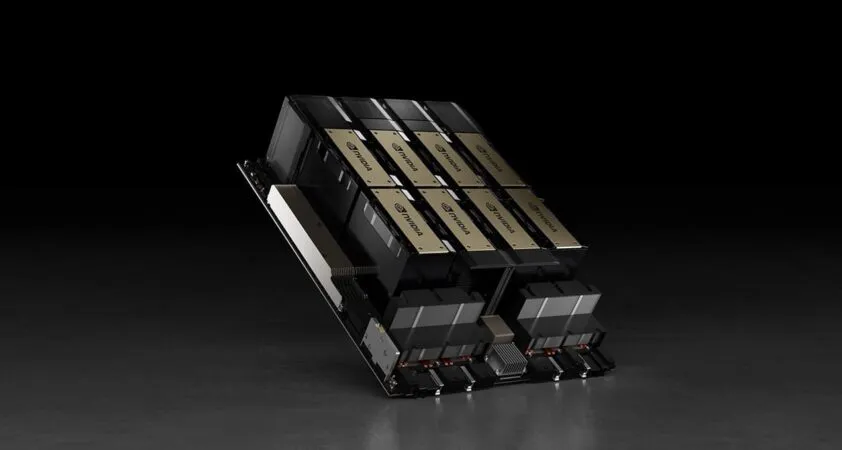
The poster priced an 8-GPU HGX H200 server at $320K–$420K, taking $370K as the midpoint. For renting, they took the median on-demand H200 price across 34 providers — $4.40 per GPU-hour as of September 18, noting that the $2–$3 rates you sometimes see are closer to spot pricing — and multiplied by eight: $35.20 per hour for the equivalent box.
| Sustained utilization | Hardware break-even |
|---|---|
| 100% | ~14.4 months |
| 60% | ~24 months |
| 40% | ~36 months |
And their honest admission, which is what makes the post worth reading: most small teams with bursty training and steady inference are not sustaining 100% utilization. The conclusion: around 60% sustained utilization for two years, owning wins; below 40%, renting wins. There is also a hedge the poster raised — you can sell idle capacity to offtake networks and offset part of the device cost.
What the spreadsheet leaves out#
The hardware-only comparison is exactly that — hardware only. The poster flagged four things the model excludes, and the comments kept the list growing:
- Power and cooling. The poster said they were quoted more for a colocation cage than they had budgeted. One commenter (u/silva_p) ran the numbers: Google's data puts an H200-class server at roughly 2 kW idle and 10 kW at peak, which at $0.30/kWh works out to around $32K in electricity over the 14.4 months at 100% utilization.
- Depreciation. The poster's rule of thumb: whatever you assume for resale, halve it — the secondary market for last-gen datacenter parts is thin. A sub-thread went further, warning about a hardware-dump market collapse in 14–24 months.
- Your own time. Running your own box is a job. And idle hours — bursty workloads do not respect your amortization schedule.
- Financing cost. The second-highest comment (u/brainchillzZ, 77 upvotes) pointed out that if you are not buying with cash, you need to price in interest over the two-year window — which pushes the break-even point further out.

Where the commenters pushed back#
The thread is a good example of the informed community verdict this desk covers: not a debunk, but a refinement. A few commenters misread the post as comparing single-GPU rental to an 8-GPU purchase price — the post had already multiplied $4.40 by 8, which others quickly corrected. The sharper critiques:
- On-demand is the wrong rental price. The strongest counter (u/FullOf_Bad_Ideas) pointed to 1-year committed rates of roughly $1.5–2.3/GPU-hr listed on gpulist.ai — less than half the $4.40 on-demand median the math uses. Committed pricing moves the break-even line substantially in renting's favor.
- Is an 8-GPU box even rentable at that price? One commenter questioned whether a complete server is available at $35.20/hr, not just a single GPU; another replied that Runpod does offer full nodes.
- Generation risk. A separate commenter ran the same math for B300 — roughly $1M over 2 years to buy and colocate 8 GPUs versus ~$64/hr to rent, breaking even just short of 2 years at 100% — with the reply that rental prices will fall once NVIDIA's Rubin ships.
- The small-model exception. One anecdote went the other way: a commenter (u/oddballstocks) reported an 8× RTX 6000 box ($25K server + $76K in GPUs) running 24/7 vLLM inference, "so far in the black it's laughable" versus their previous token bill — evidence that the break-even line moves dramatically at lower price points.
What to watch#
Take the headline 60% line as a starting assumption, not a law. The rental number that matters is the committed one-year price, not the on-demand median; the power bill is a five-figure line item, not a footnote; and resale values are a bet on a market that has a habit of dumping last-gen hardware. The most durable insight from the thread isn't a number — it's that almost nobody actually measures their utilization, and the answer to "rent or buy" is downstream of that one measurement.
Sources: the r/LocalLLaMA thread posted September 25, 2026 ("I ran the actual break-even math on buying vs renting an H200 box, and it is not where I expected"); comment data from the same thread.