HIVE borrows $129M at 9% to buy 2,303 Nvidia GB200s for Cohere's sovereign AI cloud
HIVE Digital Technologies has signed a roughly $129 million fixed-rate loan to buy a $165 million cluster of Nvidia GB200 GPUs for a three-year sovereign AI contract serving Cohere. The deal is debt, not dilution — and it shows how the AI infrastructure boom is now being financed contract by contract.
- Who: HIVE Digital Technologies, through its subsidiary BUZZ High Performance Computing and indirect subsidiary BUZZ Alpha Cloud, borrowing from an unnamed institutional lender.
- What: a credit facility of approximately $129 million, at a fixed 9.0% annual rate over a three-year term, to buy an advanced sovereign AI GPU cluster and related infrastructure.
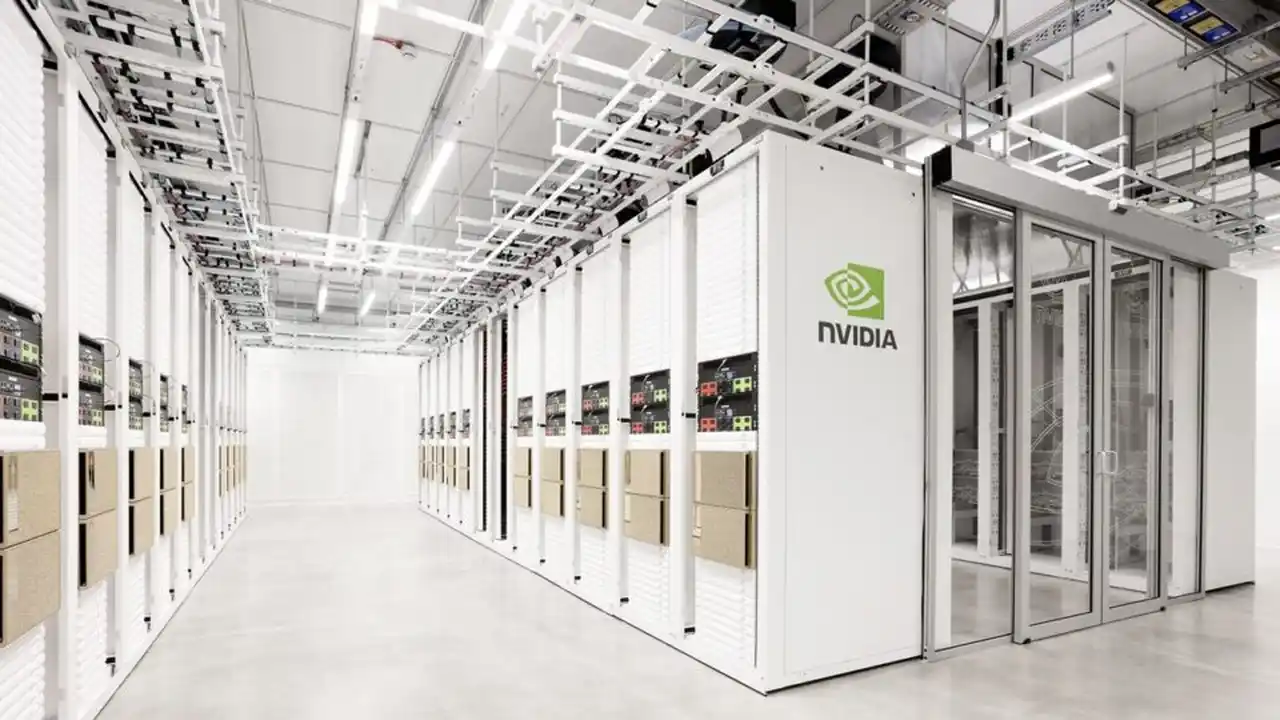
- Hardware: a cluster priced at approximately $165 million, including 2,303 Nvidia GB200 GPUs in NVL72 systems — an approximate 80% loan-to-cost ratio.
- Customer: the cluster is destined for a three-year fixed-term sovereign AI contract serving Cohere, announced on June 18, 2026; HIVE says the Cohere deal carries a $225 million total contract value including connectivity and storage, versus $220 million previously disclosed for GPU compute alone.
- Timing and terms: delivery of the GB200 GPUs is expected towards the end of the fourth quarter of 2026; the loan is secured by the GPUs and related assets, is to be repaid from contract revenue, and involves no new common shares.
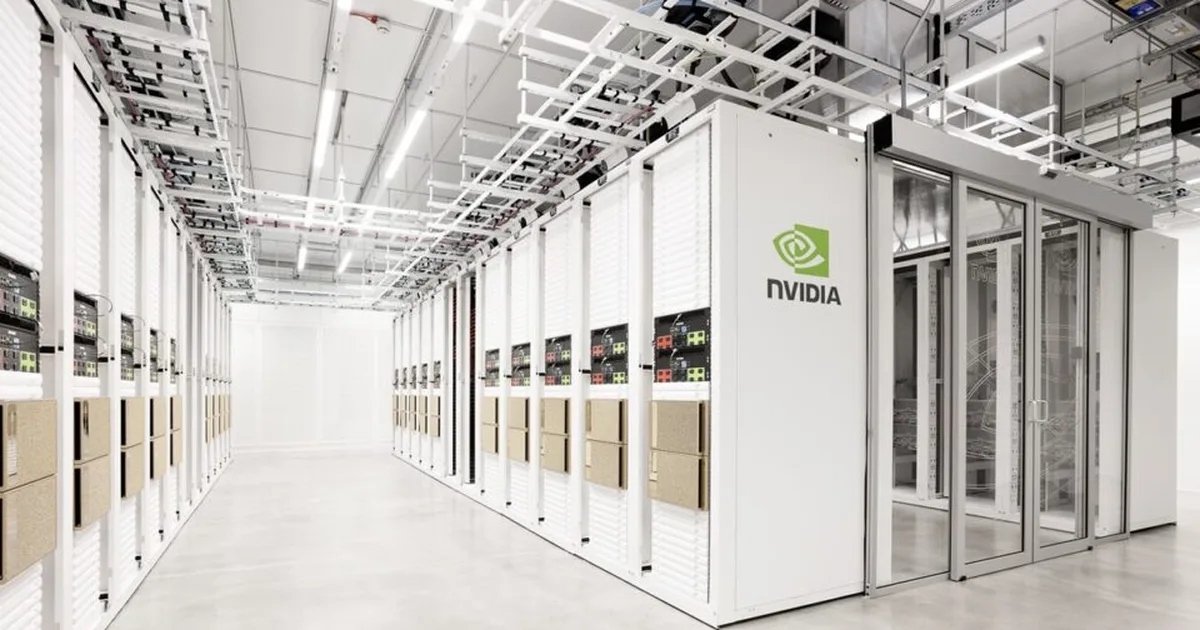
HIVE Digital Technologies said on October 28, 2026 that its BUZZ Alpha Cloud unit has signed a loan and security agreement for a credit facility of approximately $129 million. The money will buy a GPU cluster for sovereign AI work in Canada, and the anchor customer is already signed: Cohere, under a three-year fixed-term contract announced in June.
The financing is the latest sign of how the AI buildout is being paid for. Rather than raising equity or borrowing against the whole company, HIVE is borrowing against a specific cluster and a specific contract — a structure that has become common as GPU clouds race to add capacity while investors ask harder questions about who pays for it.
The deal#
BUZZ Alpha Cloud, an indirect subsidiary of HIVE, entered into the facility with an institutional lender that HIVE did not name. All dollar figures in the announcement are in US dollars. The facility carries a fixed interest rate of 9.0% per year over a three-year term, with principal and interest amortising over the life of the loan, and it is secured by the GPUs and related assets of BUZZ Alpha Cloud, backed by a limited recourse guarantee from BUZZ HPC and a pledge of BUZZ HPC's equity in BUZZ Alpha Cloud.
The proceeds will fund a cluster priced at approximately $165 million, including Nvidia GB200 NVL72 systems. HIVE chief executive Aydin Kilic said the price covers 2,303 Nvidia GB200 GPUs, which he called a very attractive price in a market where Nvidia hardware has risen substantially over the past six months. At $129 million against a $165 million purchase, the loan works out to an approximate 80% loan-to-cost ratio. The equity slice of the purchase is being funded from the proceeds of 0% interest convertible bonds issued earlier this year — $245 million gross, about $200 million net after capped calls, according to the release.
| Figure | Value |
|---|---|
| Credit facility | Approximately $129 million |
| Interest rate | 9.0% fixed per year |
| Term | Three years, amortising |
| Cluster price | Approximately $165 million |
| GPUs | 2,303 Nvidia GB200s (NVL72 systems) |
| Loan-to-cost | Approximately 80% |
| Delivery | Towards the end of Q4 2026 |
Why the structure matters#
Three features of the deal are doing the work. First, it is project-level debt: BUZZ Alpha Cloud intends to repay the facility from contract revenue over a fixed amortisation schedule, and HIVE says BUZZ HPC is not otherwise liable beyond its limited guarantee and pledged equity. Second, the rate is fixed, which HIVE presents as an advantage in a market where many peers have borrowed at variable rates — predictable payments against contracted cash flow, at least while the contract performs. Third, no common shares are issued in connection with the facility, so existing shareholders are not diluted by this financing itself, though the earlier convertible bonds that fund the equity slice could convert later.
At the end of the three-year term, HIVE says it will own the GPUs outright, with no residual payment. That matters because GPU hardware ages fast: owning the cluster free and clear after the contract term leaves HIVE with an asset it can redeploy, sell, or run down, rather than a lease that simply ends.
Sovereign AI, sold in advance#
The cluster is destined for the Cohere contract, a three-year fixed-term sovereign AI deal announced on June 18, 2026. HIVE describes the arrangement as serving Cohere through Bell Canada. Kilic put the Cohere deal's total contract value at $225 million including GPU compute plus connectivity and storage, while a footnote in the same release notes that the $220 million figure previously disclosed covered GPU compute revenue only — a reminder to read contract-value headlines with the footnotes attached.
HIVE says it has signed $600 million of total contract value for GPU cloud deals this year across three GPU off-take contracts. Two of those deals, as reported by TokenPost, total $570 million: the Cohere contract and a separate five-year commitment with an unnamed investment-grade enterprise customer worth about $350 million. The pitch behind all of them is sovereignty: compute that stays within Canadian borders, for customers that want to know where their data lives, where their models run, and where their compute comes from.
What to watch#
Delivery is the first test: HIVE expects the GB200 GPUs towards the end of the fourth quarter of 2026, and the release's own forward-looking statement lists manufacturing and supply-chain delays, installation and commissioning risk, and the customer's performance under the contract as factors that could change the outcome. The second test is repayment: the loan carries debt-service coverage covenants, and if contract revenue falls short, the lender's security is the GPUs themselves. The third is demand beyond this cluster — whether sovereign AI contracts keep arriving at prices that support fixed-rate, project-level borrowing, or whether this deal turns out to be a well-timed exception in a financing market that is getting pickier.