The Philippines gets its first renewable-powered sovereign AI cloud: 10,000+ NVIDIA Blackwell Ultra GPUs by Q1 2027
YCO Cloud and Aolani have partnered with NVIDIA to deploy one of the first GB300 NVL72 clusters in the Philippines — the country's first renewable-powered sovereign AI infrastructure, launching in the first quarter of 2027 with more than 10,000 Blackwell Ultra GPUs in its initial phase.
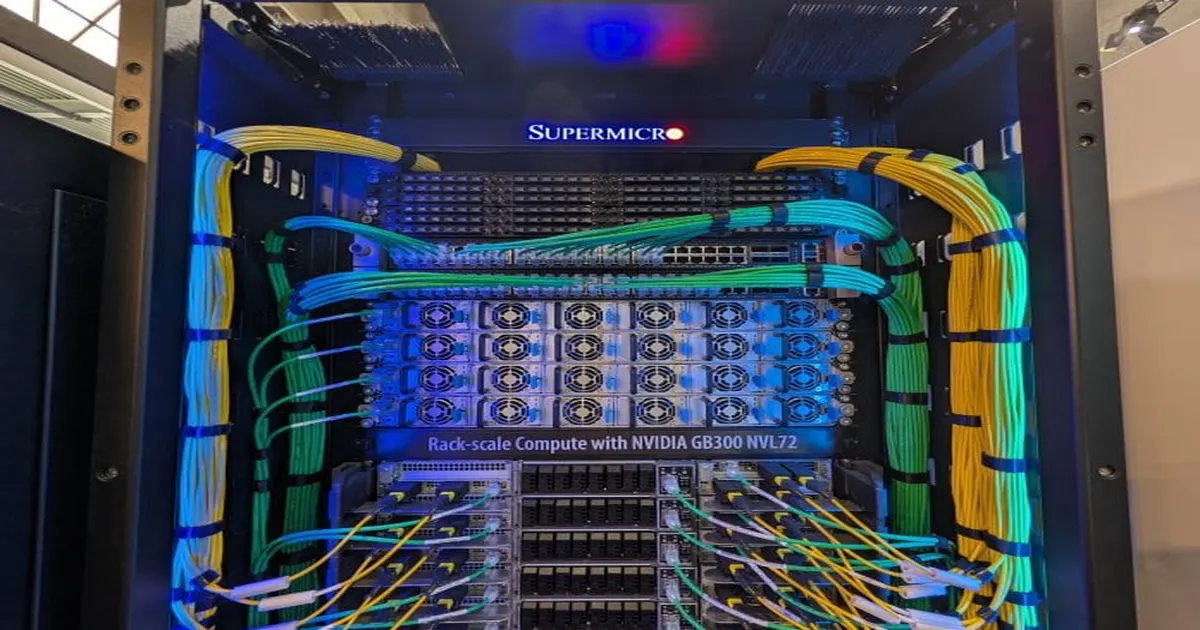
The Philippines is getting its first sovereign AI cloud — and it is starting big. YCO Cloud and Aolani announced on Monday a collaboration with NVIDIA to deploy one of the first GB300 NVL72 clusters in the country, billed as the Philippines' first renewable-powered sovereign AI infrastructure.
The project is scheduled to go live in the first quarter of 2027, with the initial phase deploying more than 10,000 NVIDIA Blackwell Ultra GPUs — compute aimed at local government bodies, domestic enterprises, and local startups, while also courting global AI-native companies.
Who brings what#
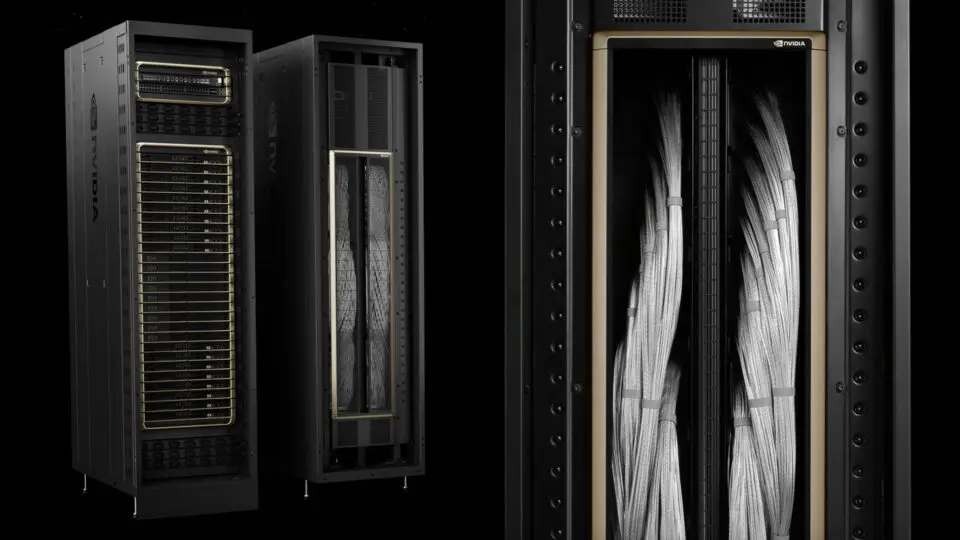
The split of responsibilities is unusually explicit. Aolani — headed by CEO Nicholas Chia — provides the AI infrastructure, GPU financing, and deployment and operating capabilities. YCO Cloud, led by CEO Nikolas Skalomenos de Ynchausti, supplies the purpose-built, sustainable digital infrastructure and local expertise. NVIDIA supplies the hardware: GB300 NVL72 rack-scale systems.
That division maps neatly onto the sovereign AI playbook taking hold across the region: one partner brings the capital and operational muscle, another brings land, power, and local know-how, and a chip vendor of NVIDIA's standing validates the whole stack.
What 'sovereign' means here#
Sovereign AI infrastructure keeps the compute, the data, and the model training inside national borders — a priority for governments that do not want public-sector workloads, or their citizens' data, routed through foreign-owned clouds. This project plants the Philippines' flag squarely in that race.
The target customer list says it plainly: local government bodies first, then domestic enterprise and local startups. The announcement also says the cluster is meant to attract 'innovative global AI native companies' — the bet being that cutting-edge, renewable-powered compute in-country will pull workloads that would otherwise land in the region's established hubs.
The renewable angle#
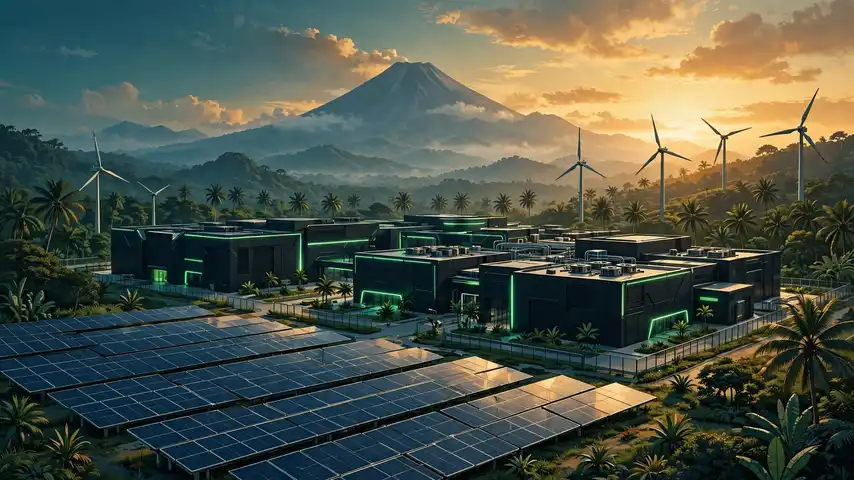
Energy is the honest headline of every hyperscale AI project in 2026, and this one leads with it. YCO Cloud says the project is designed to meet global sustainability standards for water usage and to run on dedicated renewable energy sources. GPU clusters are power-hungry, so a project that can credibly promise clean, cost-predictable power has a genuine differentiator — not just green copy.
What to watch#
First, the Q1 2027 deadline: 'more than 10,000 GPUs' is a promise, not a purchase order — the phase-one count will be the credibility test. Second, what comes after phase one: the announcement describes only the initial phase, so watch for expansion commitments. And third, the pricing story: with GPU financing baked in via Aolani, this is structured less like a traditional cloud build and more like an AI factory product. If the Philippines can sell sovereign compute competitively against the region's hubs, the dominoes start falling.