US intelligence memo reportedly links Nvidia's Jensen Huang to alleged Chinese spy
US intelligence believes Nvidia chief Jensen Huang was romantically involved with an executive Washington says was recruited by China's spy agency, according to the Financial Times and the New York Times. Nothing is proven — and Congress now wants answers.
- The memo: written by US officials earlier this year from intelligence reporting; circulated among senior administration officials ahead of President Donald Trump's summit with Xi Jinping in Beijing; says Huang was romantically involved with Alice Huang.
- The Times' follow-up: on November 6, the New York Times reported that China's Ministry of State Security recruited Alice Huang — also known as Huang Le — to gather information on Jensen Huang and Nvidia's most advanced AI chips. The operation dates to at least 2024.
- Congress: on November 4, three Republican House committee chairs invited Huang to a closed-door briefing on November 18. He has until November 11 to reply.
- Megaspeed: a Singapore data-center company founded in 2023 out of a Chinese video game firm; a major Nvidia customer that bought billions of dollars' worth of AI chips and rented computing power to Alibaba.
- What's not established: no charges against either person, no public finding of wrongdoing, and no evidence that Huang knew of any alleged intelligence links or passed anything on.
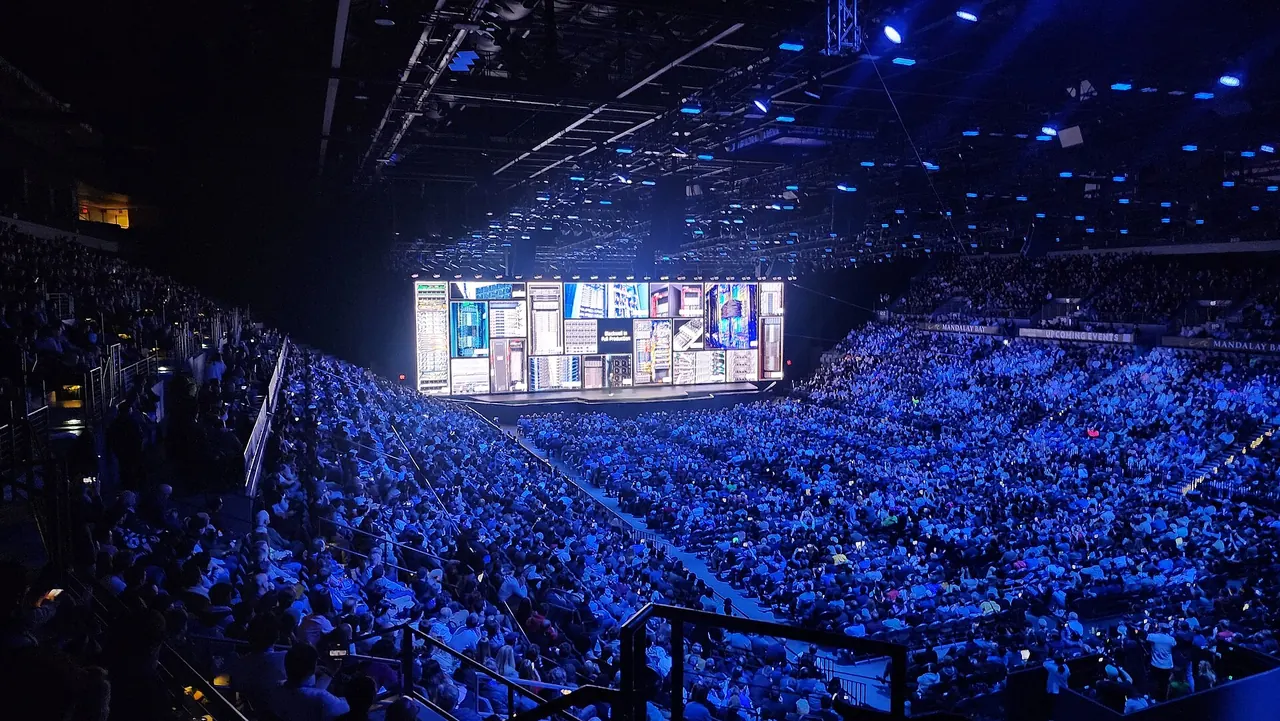
US intelligence believes Nvidia chief executive Jensen Huang was romantically involved with an executive at a Singapore data-center company that American officials say was recruited by China's spy agency, according to the Financial Times — a claim that has pulled the world's most valuable chipmaker into the center of the US-China technology fight, and drawn in Congress.
The story broke in two waves. On October 29, the New York Times reported that US agencies considered Alice Huang, a Chinese national and senior executive at the data-center firm Megaspeed, a Chinese intelligence asset — and that while surveilling her, they had found a close relationship with Nvidia's chief executive. On November 6, the Times followed up: it was China's Ministry of State Security, the country's main foreign intelligence service, that recruited her, to gather information on Jensen Huang and on Nvidia's most advanced chips. On Friday night, the Financial Times added the detail that has dominated the coverage since: US officials believe the relationship between the two Huangs was romantic.
The account rests on a memo, not a public document. According to the Financial Times, which cites people familiar with the matter, US officials wrote the memo earlier this year from information gathered by intelligence agencies, and it circulated among a small group of senior administration officials shortly before President Donald Trump travelled to Beijing to meet Xi Jinping. American intelligence also warned Huang himself about the relationship, the FT reports. Neither the memo nor the underlying evidence has been made public, and no part of it has been tested anywhere Huang could answer it.
Who Megaspeed is — and why it is under scrutiny#
Megaspeed is a Singapore-based data-center operator that buys Nvidia's chips to run computing facilities, then rents that computing power to customers. The Financial Times describes it as having been founded in 2023 out of a Chinese video game company. Its scale is the reason it matters: the company is a major Nvidia customer, and according to trade records cited by the Times, a Malaysian sister company bought at least $4.8 billion worth of advanced AI equipment between June 2024 and February 2026. Megaspeed has built data centers in Southeast Asia and rented computing capacity to Alibaba — giving a Chinese company access to advanced Nvidia chips that are banned from direct sale into China.
US authorities have investigated whether chips supplied to Megaspeed were diverted into China in breach of American export controls. Nvidia says it investigated the alleged smuggling itself and found no evidence of wrongdoing. Speaking to Bloomberg on October 29, Huang called Nvidia's dealings with Megaspeed 'normal and not unusual.'
Congress steps in#
The story reached Capitol Hill before the FT report landed. On November 4, the Republican chairs of three House committees — Brian Mast of Foreign Affairs, John Moolenaar of the Select Committee on China, and Rick Crawford of Intelligence — wrote to Huang inviting him to a joint closed-door briefing on November 18, to discuss his interactions with Alice Huang and Nvidia's safeguards against foreign espionage. The letter gives him until November 11 to reply.
The briefing request sits on top of a live export decision. Huang has personally pressed Trump to allow sales of Nvidia's H200 chips to Chinese customers; those sales were authorized with conditions in January and had stalled by May, according to the reporting. The memo's allegation — that the recruitment was partly aimed at pushing Huang to back looser export rules — is what makes the briefing more than a courtesy call.
What is — and isn't — established#
Almost nothing in this story is a proven fact in a courtroom sense. No charges have been brought against either person. No public finding of wrongdoing has been made. The reporting does not claim that Huang knowingly shared classified information, or that Alice Huang obtained sensitive company secrets — and US agencies are said to have concluded there is no evidence he was aware of any alleged intelligence links. The two Huangs are not related.
The responses so far are denials and no-comments. Nvidia declined to comment on the memo and on the alleged relationship. A company spokesperson, John Rizzo, said the chief executive's interactions with customer executives are part of normal business, and the company maintains its internal reviews found no evidence of wrongdoing. The White House and the CIA declined to comment. China's foreign ministry dismissed the allegations as baseless speculation. The Financial Times said it was unable to reach Alice Huang.

Why it matters#
Nvidia's chips are the single most contested commodity in the US-China technology rivalry — the hardware that trains frontier AI models, and the target of export controls Washington has tightened year after year. A story that puts the chief executive of the world's largest chipmaker at the center of an alleged Chinese intelligence operation touches the export rules themselves, the H200 decision, and how a company whose customers include the world's biggest AI labs polices who its hardware reaches.
It also tests how much weight an intelligence assessment carries when it never becomes a public document. The memo has not been published, its sources are anonymous, and the people named in it have no forum in which to contest it. That is not a reason to ignore the reporting — the Times and the FT are not small outlets, and Congress has now acted on it — but it is a reason to keep the verbs conditional until something verifiable follows.
What happens next#
The next hard date is November 11, when Huang is due to answer the House chairs' invitation. The briefing itself is set for November 18, behind closed doors. Until then, the story is what the reporting says it is: an intelligence assessment, relayed by two newspapers, about a relationship nobody has confirmed and no court has examined.
What to watch: Huang's reply by November 11; the closed-door briefing on November 18; any statement from Nvidia, the White House, or the committee chairs; and whether the H200 export question moves while the scrutiny is on. For now, the allegation is reported, not established — and the difference matters more than the headline.
Sources: Financial Times, 'US believes Nvidia's Huang had romantic relationship with alleged Chinese spy' (November 6, 2026; paywalled — headline verified), here; Engadget, 'China's main intelligence agency reportedly recruited the spy who targeted NVIDIA's CEO' (November 7, 2026), here; Stocktwits, 'Nvidia CEO Jensen Huang's Alleged Chinese Spy Connection Was Flagged Before Trump's Xi Summit: Report' (November 7, 2026), here; FourWeekMBA, 'US Memo Said to Link Nvidia CEO Huang to Alleged Chinese Spy' (November 7, 2026), here; abloominst-247, 'China Spy Claims Around Nvidia's Jensen Huang: What US Intelligence Reportedly Found, and What Is Still Unproven' (November 7, 2026), here; the r/accelerate thread, here. Cover photo: Jensen Huang at the Nvidia CES 2025 keynote, photo by Joseph Zadeh, CC BY-SA 4.0, via Wikimedia Commons. Second image: Nvidia headquarters, Santa Clara, photo by Coolcaesar, CC BY-SA 4.0, via Wikimedia Commons. Third image: Nvidia campus from the air, photo by Dicklyon, CC BY-SA 4.0, via Wikimedia Commons.