A team of 8 built a GTA-style Bangkok in 8 days with its own AI-native engine — and Reddit is checking how much of it the AI really did
Eight days of in-engine footage shows a GTA-style Bangkok — tuk-tuks, water-cannon trucks and Komodo dragons — built with the team’s own AI-native engine, Oriverse. Reddit’s top comments are equal parts impressed and unconvinced about how much of it the AI really did.
- The post: u/ahcahttan on r/accelerate, posted November 6, 2026 — 416 upvotes and 83 comments when read on Saturday morning.
- The claim: eight days of work on the game, on an engine the team says it spent years building.
- The game: Bangkok Heat, a planned 100 km² open-world map of Bangkok, the poster’s hometown.
- The gap: no AI model or tool is named; no demo, Steam page, or repo is linked; the poster has not answered requests for any of them.
- The verdict so far: the thread’s most-upvoted reactions are jokes; the detailed skeptical comment sits at a negative score.
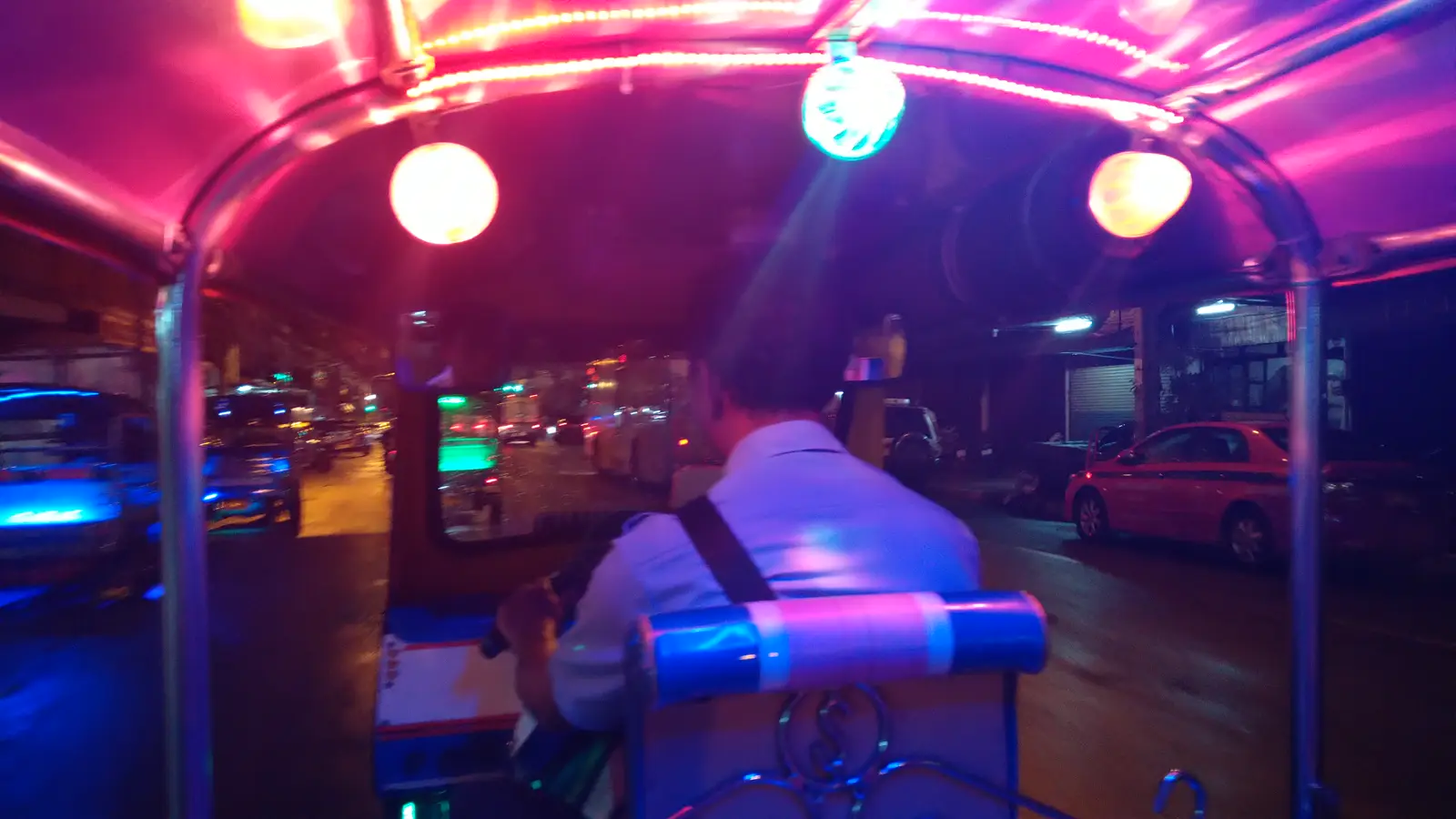
Eight days. That is how long a team of eight developers says it spent building the first drivable slice of Bangkok Heat, a Grand Theft Auto-style open-world game set in Bangkok — and the footage looks far more finished than eight days has any right to look.
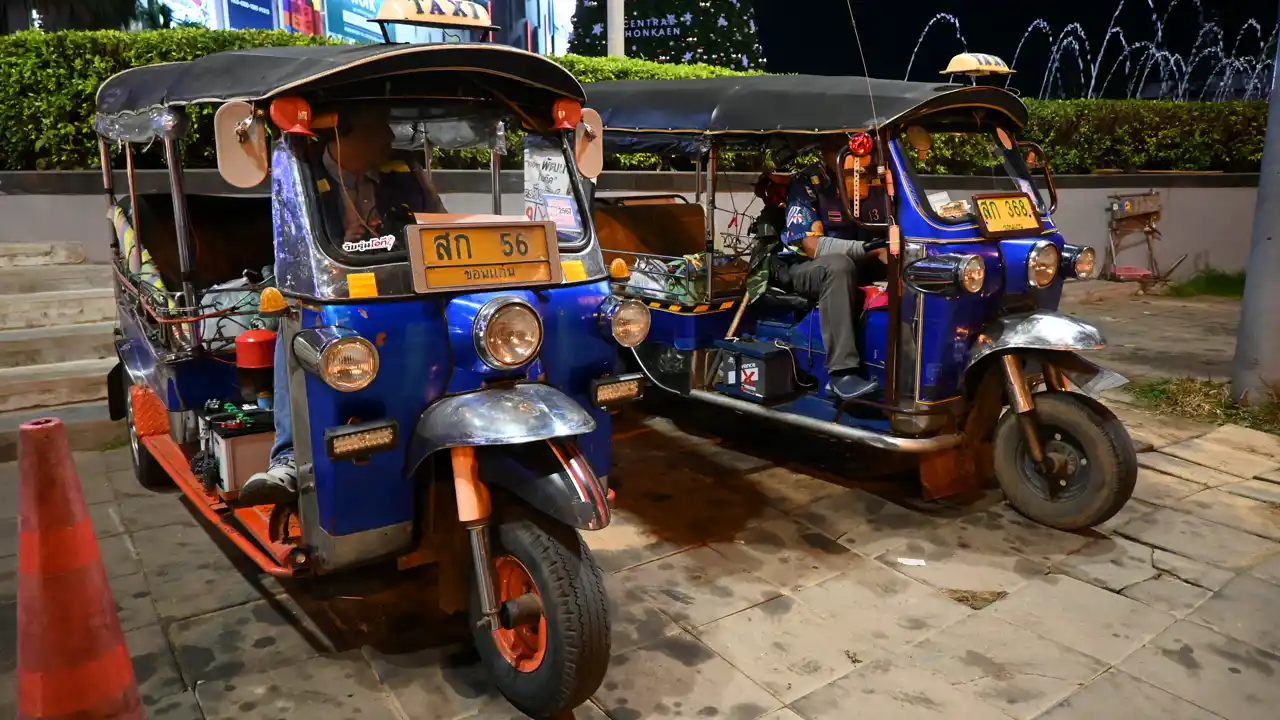
The clip landed on r/accelerate on Friday, posted by u/ahcahttan, and it is in-engine footage of a night drive through the team’s virtual Bangkok: tuk-tuks weaving through traffic, water-cannon trucks, boats with V8 engines, Komodo dragons by the roadside, and a convenience store so detailed that commenters stopped to admire its signage. By Saturday morning the post had 416 upvotes and 83 comments — and a verdict split straight down the middle.
What the video shows#
What is actually on screen is a driving sequence, not a mission or a story beat. The camera follows a vehicle through neon-lit streets while the city does its work around it: traffic, storefronts, animals, and the kind of small environmental detail — the grass, the one-off buildings, the drugstore’s signage — that usually takes a team months to place by hand.
That detail is exactly what the thread keeps coming back to, and it cuts both ways. It is the most impressive part of the footage, and it is the reason the most skeptical commenters do not believe the eight-day story. One commenter asked the question that matters most for judging the demo: “Did you get anything than just vehicle physics working” — as far as anyone can tell from watching the clip, driving is what the game does so far. No combat, no on-foot gameplay, no mission structure. That is normal for eight days of work on a game. It is also the reason the thread’s excitement comes with a caveat.
The team and the engine behind it#
The poster describes himself as an MIT nuclear PhD turned indie developer. Years ago, a first Steam game built as a solo developer got him thinking about how to make game development easier — so he and his team started building their own engine, with AI-assisted workflows in mind from the start.
The engine is called Oriverse, and the team says it was built from the ground up to work natively with AI. The stated goal is to let creators direct teams of AI agents to build and playtest games, then ship them to desktop, mobile, and browsers. The engine, by the poster’s own account, took years to build and is “almost ready to launch” — while the game and the engine are also, in the same post, “still in early development.” That tension did not go unnoticed in the thread.
The game itself is ambitious on paper: a planned 100 km² open-world map of Bangkok, the poster’s hometown, built to capture the city’s character. What the post does not say is which AI models or tools the engine uses — none is named — and it links to nothing: no demo, no Steam page, no repository, no website for Oriverse. Requests for a Steam or itch.io page and for engine access went unanswered in the thread, as did a direct question about what the AI inside the engine actually does.
Reddit checks the seams#
The thread’s most-upvoted reactions are jokes. “Is it 100% science based?” leads the comments at 63 upvotes. “Electronic Arts is having night sweats,” says another at 15. A third, at 20, argues that “GTA 6 is gonna be fine, but they’re gonna need a new plan for the next one.” One commenter hopes the source code ends up open so players can “mod the living hell out of it.”
Under the jokes, the serious argument is about provenance. The sharpest criticism comes from a commenter who writes that they “strongly doubt OP’s game is made with AI”: the work looks mostly human, they argue, the assets are too polished, the iguanas have to be external assets, and the drugstore is “WAY too detailed for an AI generated city.” That comment sits at a negative score — the thread, on balance, downvoted the accusation rather than endorsing it. A reply pushes back in the other direction: the people in the studio are industry veterans, and the AI “basically amplify the output.”
Other commenters flagged the post’s own contradictions instead: an engine that took years to build and is almost ready to launch, yet is still in early development; eight days of progress on top of years of engine work, presented as if the eight days were the whole story. “Engine took years to build... HERE IS OUR PROGRESS AFTER 8 DAYS bruh,” reads one reply. Another calls the post a video made to be posted, not a game made to be played.
The poster replied twice: “Yes for sure!” when asked whether the AI searched online for what it needed, and “I’m Thai though” to a commenter who assumed otherwise. He did not answer the questions about access, the engine’s AI, or a Steam page.
That pattern — a striking demo, a contested claim, and a creator who answers the easy questions — is familiar. It is the same shape as other AI-build posts that have blown up on Reddit in recent weeks: a developer turning any website into a stickman destruction sandbox, a six-year-old’s unicorn game built by Claude. The community response rhymes too: amazement first, receipts second.
What to watch#
- Whether anything playable appears. There is no Steam page, no demo, and no repo. The first real test of the eight-day claim is a build anyone can run.
- Whether Oriverse gets a concrete definition. “AI-native engine” currently means whatever the post implies. Which models it uses, and what the AI actually does inside the engine, are the questions the thread asked and the poster has not answered.
- Whether the team keeps showing its work. Eight days of footage bought the thread’s attention. The next update — on-foot gameplay, a mission, a system beyond driving — is what would turn a viral clip into a game worth following.
Until then, Bangkok Heat is a good-looking eight days of footage and an unanswered question. The city is there. The proof of how it was built is not — yet.
Sources: the original post by u/ahcahttan on r/accelerate.