Shield AI buys radar maker Echodyne for $5.3B and raises $2.5B at a $28.8B valuation
Shield AI is buying Kirkland radar maker Echodyne in a deal worth up to $5.3 billion, pairing its autonomy software with the sensors that spot drones — and raising $2.5 billion to pay for it, at a valuation more than double its March mark.
- Deal value: up to $5.3 billion — $4.8 billion at closing, up to $500 million more if Echodyne hits agreed performance targets.
- The raise: $1 billion Series H at a $28.8 billion post-money valuation, $1 billion structured equity from Blackstone funds, $500 million debt led by JPMorgan.
- What Echodyne makes: MESA electronically scanned array radars, built into hundreds of counter-drone and security systems across more than 40 countries.
- The markup: $5.3 billion is roughly eleven times Echodyne’s $485 million PitchBook valuation after its last priced round in 2022.
- Close: expected early 2027, pending regulatory approvals — and the $2.5 billion financing falls away if the deal does.
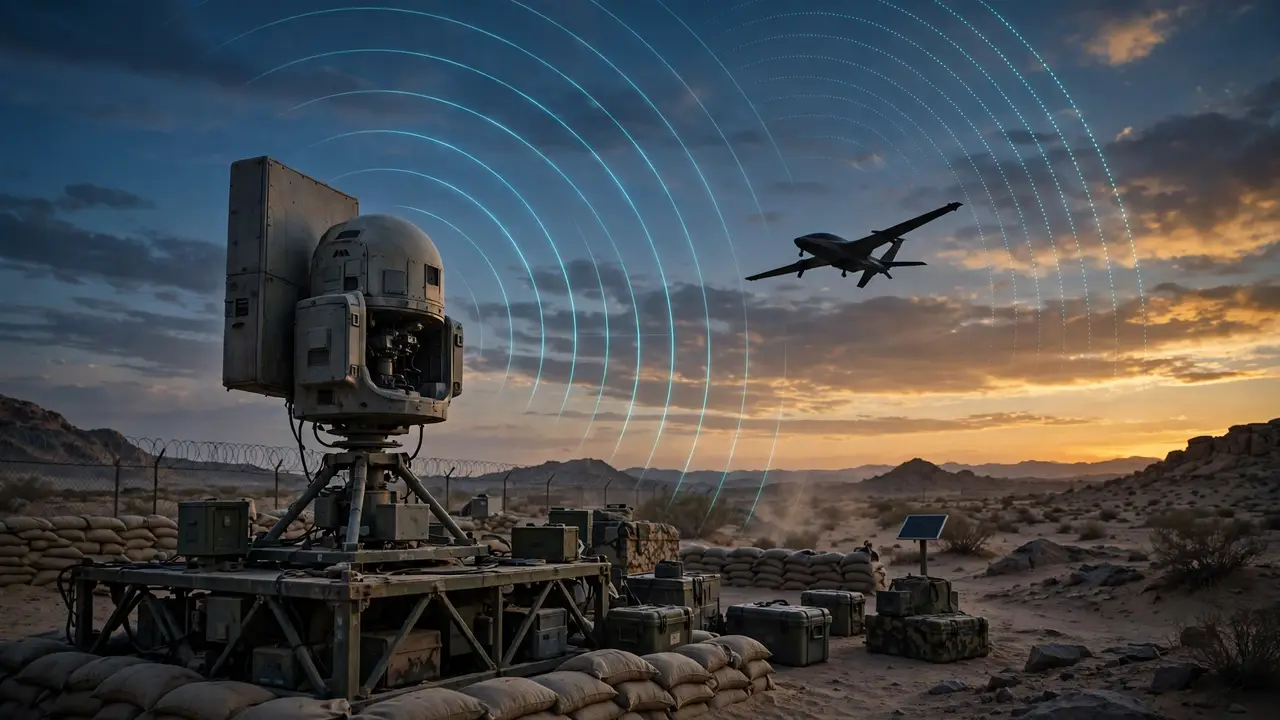
Shield AI, the defense technology company behind the Hivemind autonomy software and the V-BAT drone, is buying its way into the sensor business. On November 5 the San Diego company said it had signed a definitive agreement to acquire Echodyne, the Kirkland, Washington maker of compact counter-drone radars, in a transaction valued at up to $5.3 billion.
It is the largest move yet by a defense AI company that has spent the last few years assembling the pieces of an autonomous warfare stack — software, aircraft, simulation — and now wants the eyes to go with them. Shield is raising $2.5 billion to pay for the deal, at a valuation that has more than doubled since March.
The deal, in numbers#
| Item | Figure |
|---|---|
| Transaction value | Up to $5.3 billion |
| Paid at closing | $4.8 billion |
| Contingent payment | Up to $500 million, tied to Echodyne performance targets |
| Series H | $1 billion at a $28.8 billion post-money valuation |
| Structured equity | $1 billion from funds managed by Blackstone |
| Debt | $500 million, led by JPMorgan Chase Bank as sole arranger |
| Expected close | Early 2027, subject to regulatory approvals |
Why radar, and why now#
Small drones have become the defining weapon of recent conflicts, and the systems that detect them are in demand from militaries and critical infrastructure alike. Echodyne’s MESA radars — compact, software-defined, electronically scanned arrays — are built into hundreds of counter-drone and security systems used by defense, government and commercial customers in more than 40 countries. For Shield, that installed base is the point: it buys not just a sensor, but a foothold in the fastest-growing corner of defense technology.
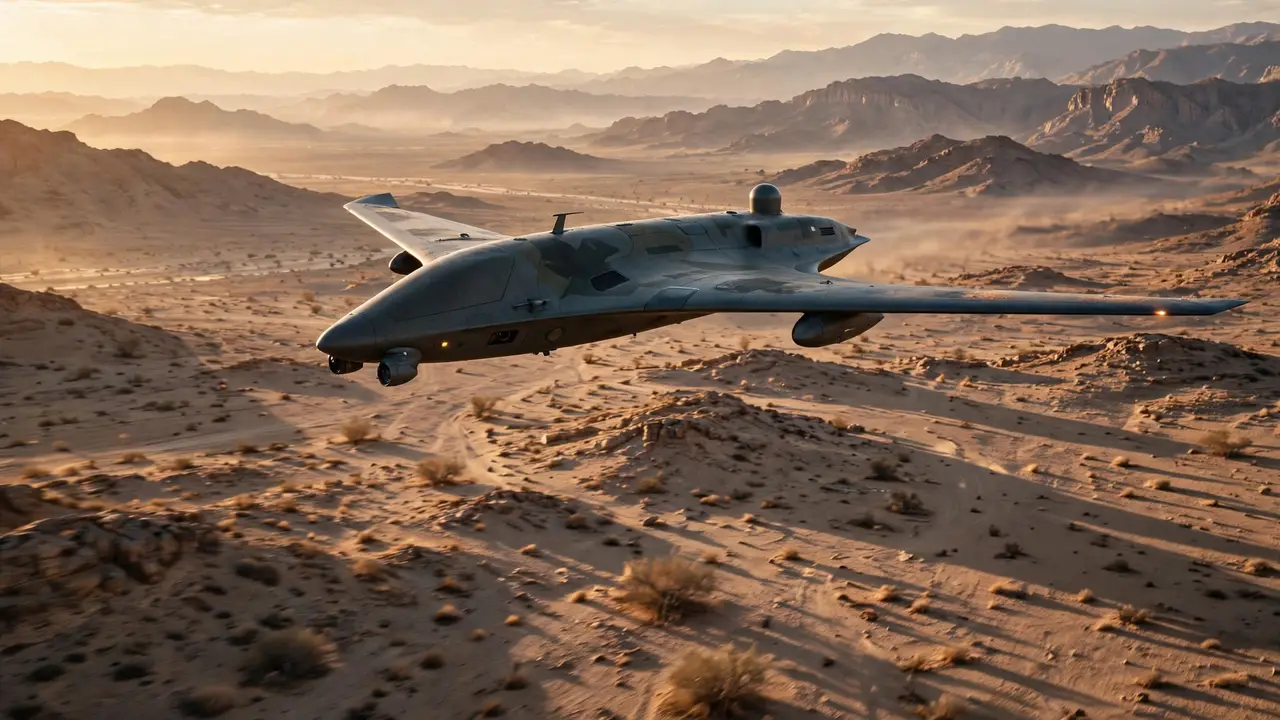
Shield chief executive Gary Steele is organizing the company around three business units — autonomy software, autonomous systems, and mission systems — and Echodyne slots into the third. The acquisition expands Shield’s Mission Systems business into radar and counter-drone work, alongside its existing Hivemind software, its V-BAT and X-BAT autonomous aircraft, and the Aechelon simulation technology it uses for training and testing.
A $2.5 billion raise in three parts#
The financing is layered. The $1 billion Series H, co-led by Disruptive and Innovation X Capital, values Shield at $28.8 billion post-money — more than double the $12.7 billion mark it carried in March. On top of that comes $1 billion of structured equity from funds managed by Blackstone and $500 million of debt arranged by JPMorgan Chase Bank.
Notably, the money is tied to the deal itself: if the acquisition falls apart, the $2.5 billion financing does not go through. That structure keeps Shield from raising at a record valuation for a purchase it may not complete, and it signals how central Echodyne is to the story Shield is now telling investors.
What Shield is actually buying#
Echodyne spun out of Intellectual Ventures, the Bellevue invention lab, in 2014 with a $15 million round led by Bill Gates and Madrona. It has raised about $200 million in total since then, and PitchBook put its valuation at $485 million after its last priced round in 2022. The $5.3 billion price tag is roughly eleven times that mark — a measure of how hot counter-drone sensing has become, and of how much Shield is willing to pay to own the capability rather than buy it piecemeal.
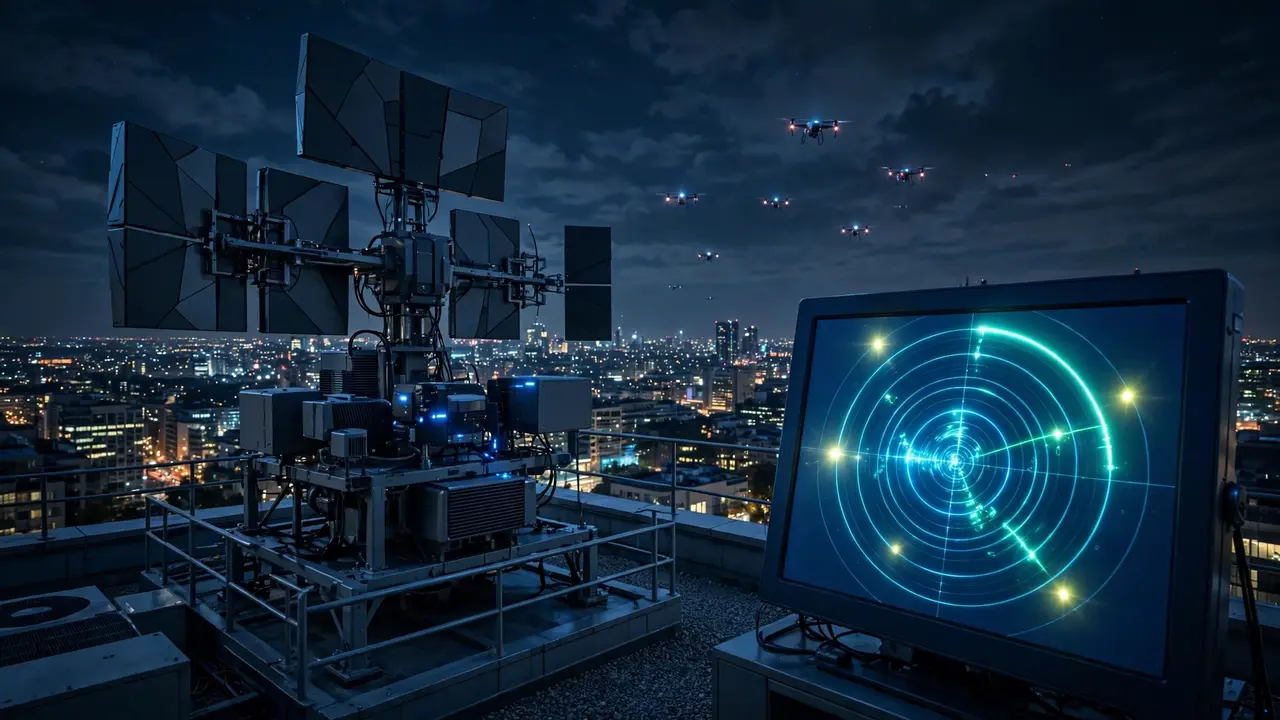
The deal is believed to be the second-largest acquisition of a private venture-backed company in Washington state history, behind Okta’s $6.5 billion purchase of Auth0 in 2021. Echodyne chief executive Eben Frankenberg will stay on and report to Steele, which suggests Shield wants the radar team intact rather than absorbed and dissolved.
What to watch#
First, the close: early 2027, pending regulatory approvals and customary conditions. Defense deals of this size draw scrutiny, and the timeline leaves room for delay.
Second, the integration. The strategic logic only holds if Shield can fuse Echodyne’s sensing with its Hivemind autonomy into a single detect-and-respond product — a radar that does not just see a drone, but hands the track straight to an autonomous system that can act on it. Watch for joint product announcements in the months after closing.
Third, the valuation. At $28.8 billion, Shield is now one of the most valuable private defense technology companies in the world, and the Series H price was set on the strength of this acquisition. If the deal slips, the valuation story slips with it. And if it lands, expect rivals to answer — the remaining independent radar and sensor makers just became a lot more expensive.
Sources: Shield AI; GeekWire; Washington Technology; Janes.