This free Chrome extension fact-checks politicians as they speak — and Reddit has questions
LogicLens, a free Chrome extension built over two years by one Reddit user, overlays live fact-check verdicts on YouTube videos — and its 14-second demo of a Biden–Trump debate exchange has Reddit arguing about who checks the fact-checker.
- The post: u/Ok_Measurement5015 on r/OpenAI, Sunday, November 15, 2026, 12:05 a.m. EST; 354 upvotes and 85 comments by about 12:40 p.m. EST; cross-posted to r/artificial (179 upvotes) and r/ChatGPT (142 upvotes); flair “Project.”
- The tool: LogicLens, a free Chrome extension; iOS version listed as “Receipts: Fact Check”; works on YouTube, news and social media sites, per the builder.
- How it works: transcribes the audio, identifies checkable claims, retrieves web sources, and bases its verdict on those sources; the builder says it prefers primary documents and does not cite unreliable social media posts.
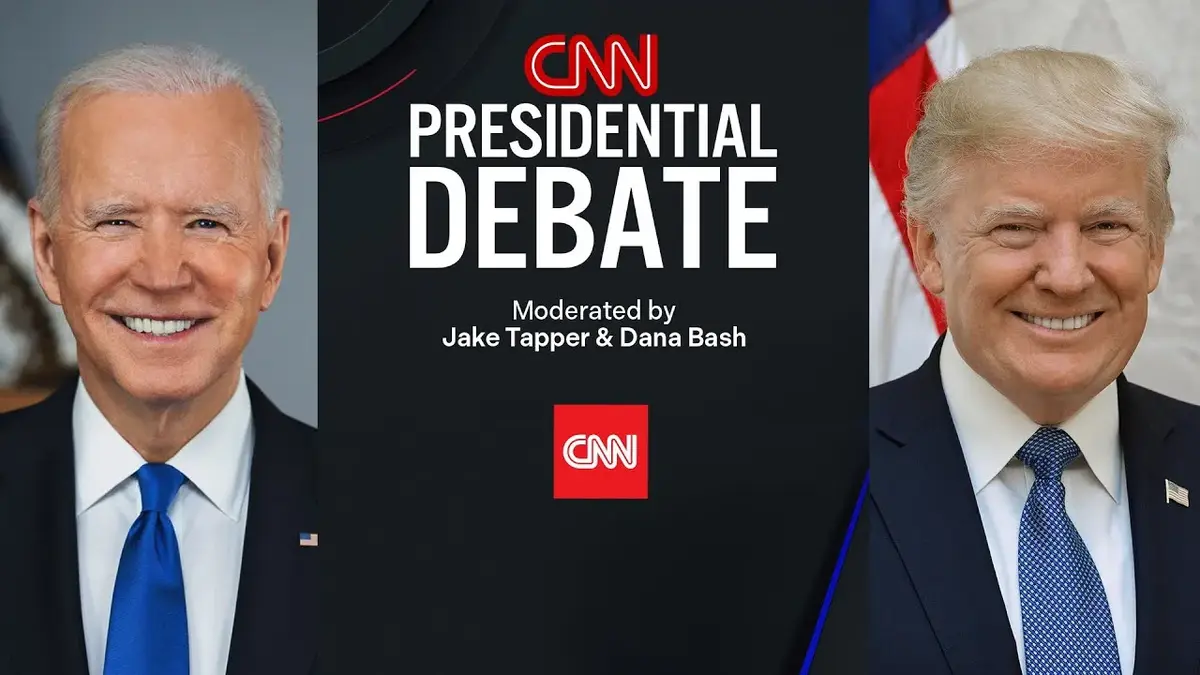
- The demo: 14 seconds from CNN’s June 2024 presidential debate; one card backs Biden’s claim about Roe v. Wade, another contradicts Trump’s claim about babies “in the ninth month and even after birth.”
- The catch: the “contradicted” card is about Trump’s claim but appears on Biden’s side of the screen — the Trump section aired before the recording started — and the builder has admitted the trim was poor.
- The open question: which model powers the verdicts — the r/OpenAI post says ChatGPT’s, the r/artificial cross-post says Claude’s, and no model version is named anywhere.

A Reddit user spent two years building a Chrome extension that fact-checks politicians while they are still talking — and on Sunday morning, a 14-second demo of it spread across three subreddits at once. The tool is called LogicLens. The demo is a clip of the June 2024 CNN presidential debate, with verdict cards floating over the video: one backs up Joe Biden, another contradicts Donald Trump. The verdicts held up in the comments. The video’s editing did not.
The post, from u/Ok_Measurement5015, went up on r/OpenAI at 12:05 a.m. EST on Sunday, November 15, 2026, under the flair “Project.” By about 12:40 p.m. it had 354 upvotes and 85 comments — and the same clip was already running on r/artificial, posted at 11:56 p.m. the night before, and on r/ChatGPT, posted at 11:28 p.m. Together the three posts gathered 675 upvotes and 162 comments before lunchtime.
What the 14 seconds show#
The video is a screen recording of CNN’s YouTube upload of the debate, split-screen: Trump on the left, Biden on the right, mid-exchange on abortion. A LogicLens panel overlays the right half of the frame with two verdict cards. The first, stamped 19:21, reads “Sources back this” next to Biden’s line, “Roe v. Wade does not provide for that.” The card explains that Roe protected abortion up to viability, around 24 weeks, and never allowed ending a baby’s life after birth.
The second card, stamped 18:59, reads “Sources contradict this” next to the claim that a baby’s life can be taken “in the ninth month and even after birth.” Its explanation: no state allows ending a baby’s life after birth, that is infanticide and illegal in every state, and fewer than 1% of abortions happen after 21 weeks. That claim was Trump’s, from an earlier part of the debate — but the recording starts after he said it, so the card contradicting him appears on Biden’s side of the screen.
That is the demo’s one clear flaw, and the thread caught it fast. “If the second box that says ‘sources contradict this’ is meant to be in response to what Trump said, then it should probably be on the Trump side of the screen,” wrote u/Available-Bike-8527. “Otherwise, it looks like it’s fact checking Biden.” The builder agreed twice over — “yeah the video was trimmed poorly on my part” in one reply, “yeah stupid on my part” in another — and had already flagged the confusion in an edit to the post itself. Nobody in the top threads showed either verdict to be wrong; the argument was about the presentation, not the facts.
How it works — and what it costs#
According to the post, LogicLens works like this on YouTube: it transcribes the audio, picks out the claims that can be checked, then runs a web search to retrieve sources and bases its verdict on what it finds, so the verdict is not resting on the model’s own memory. The builder says the extension prefers primary documents and does not cite unreliable social media posts, and that it works on news and social media sites as well as YouTube.
It is free. The Chrome extension is on the Chrome Web Store, and there is an iOS version on the App Store under a different name, “Receipts: Fact Check.” The builder says he pays for free use out of his own pocket, has no money for marketing, and may add a bring-your-own-key option if enough people want it. There is no Android or Firefox version yet, and no GitHub repository — though when a commenter asked whether he would open-source it, he said he would like to, once he is sure it would not expose him to attacks.
One thing the posts do not settle is which model produces the verdicts. The r/OpenAI version of the post describes them as ChatGPT’s; the r/artificial cross-post, written by the same user nine minutes earlier, says Claude’s. No model version is named in either post. Until the builder clarifies, any claim about which model is behind LogicLens is unverified.
The thread’s real argument: who checks the fact-checker#
The top comment is a shrug — “So it just marks everything they say, then?” from u/Nailfoot1975, with 43 upvotes — but the thread underneath is the interesting part. Plenty of people love the idea: one commenter imagined debate moderators armed with it, cutting in with “sir that is false and here’s why,” and another called it a potential game-changer on the order of ad-blockers. The deeper argument is about whether a tool like this can work at all.
The sharpest version came from u/TheLightDances: “The problem was never the lack of fact-checking, it was that some people have zero interest in reality and would deny it even when it’s staring them in the face.” Others pressed on the hard cases: a commenter citing Brazil’s redefined unemployment figures asked who decides what counts as a fact, and another asked whether the tool can catch a claim that is technically true but designed to mislead. The builder’s answers are candid about the limits — intention is impossible to determine, he wrote, so the tool “just fact checks” and the judgment about lying is left to the reader; on sources, he says the extension shows its work so anyone can check it. “That’s our job!” he wrote to one skeptic. “It gives the sources so we can start to do so when/where we want.”
That exchange is the honest core of the demo. A verdict card is only as good as its sources, and the sources are the part the user can actually inspect. The builder’s design choice — show the sources, let the reader verify — is what separates this from a black-box “true/false” stamp, and it is also what the most thoughtful commenters asked for: exact claim boundaries, publication dates, and a clear line between “unsupported” and “false.”

What to watch#
Three things to watch: whether the builder names the model behind the verdicts and clears up the ChatGPT-versus-Claude discrepancy; whether he open-sources the extension on GitHub, as he said he would like to; and whether the tool holds up on messier material than a debate clip — misleading-but-true claims, fast-moving news, and the videos and posts where the “facts” themselves are the argument. The requests already piling up in the replies — Android, Firefox, a way to inspect each verdict’s sources in detail — are a rough roadmap of what people actually want from a fact-checker that lives in the browser.
For now the record stands as a 14-second clip, two verdicts nobody in the thread could fault, one editing mistake the builder owned immediately, and a comment section arguing about the oldest question in fact-checking: who checks the checker. The extension answers that one with a link to its sources — and invites you to do the checking yourself.
Sources: the original post by u/Ok_Measurement5015 on r/OpenAI and the cross-post on r/artificial; the LogicLens listing on the Chrome Web Store. Vote and comment counts were read from the Reddit post pages around 12:40 p.m. EST on November 15, 2026. The two posts describe the verdicts differently — one says ChatGPT’s, the other Claude’s — and no model version is named in either; this article does not assert a specific model. The “Sources contradict this” card in the video concerns Donald Trump’s claim, not Joe Biden’s, as the builder confirmed in the thread.