Trump backs Tim Cook to succeed Jensen Huang as Nvidia CEO — “A legend replaces a legend”
Hours after Jensen Huang resigned, Donald Trump named his pick to run Nvidia: former Apple chief Tim Cook. The endorsement carries no formal weight — but it drags the most consequential CEO search in the AI era into the political spotlight.
- Trump posted on Truth Social on Thursday, November 12, hours after Huang’s resignation was announced: “there is only one man to take his place — TIM COOK of Apple.”
- Cook stepped down as Apple CEO on September 1, 2026, after fifteen years; John Ternus succeeded him, and Cook is now Apple’s executive chairman.
- Yale’s Jeffrey Sonnenfeld made the same case a day earlier in a Time op-ed, arguing Cook has “an unparalleled track record of succeeding a bigger-than-life founder.”
- Nvidia’s board named CFO Colette Kress interim CEO and is considering internal and external candidates; no shortlist or timetable has been announced.
- Cook has not publicly expressed any interest in the Nvidia job.
- Nvidia reports third-quarter fiscal 2027 results on Tuesday, November 17 — its first earnings since Huang’s resignation, against guidance of $108 billion in revenue, plus or minus 2%.
- Nvidia shares have fallen roughly a third from their early-October peak, trading around $161 on Friday, according to Moneywise.
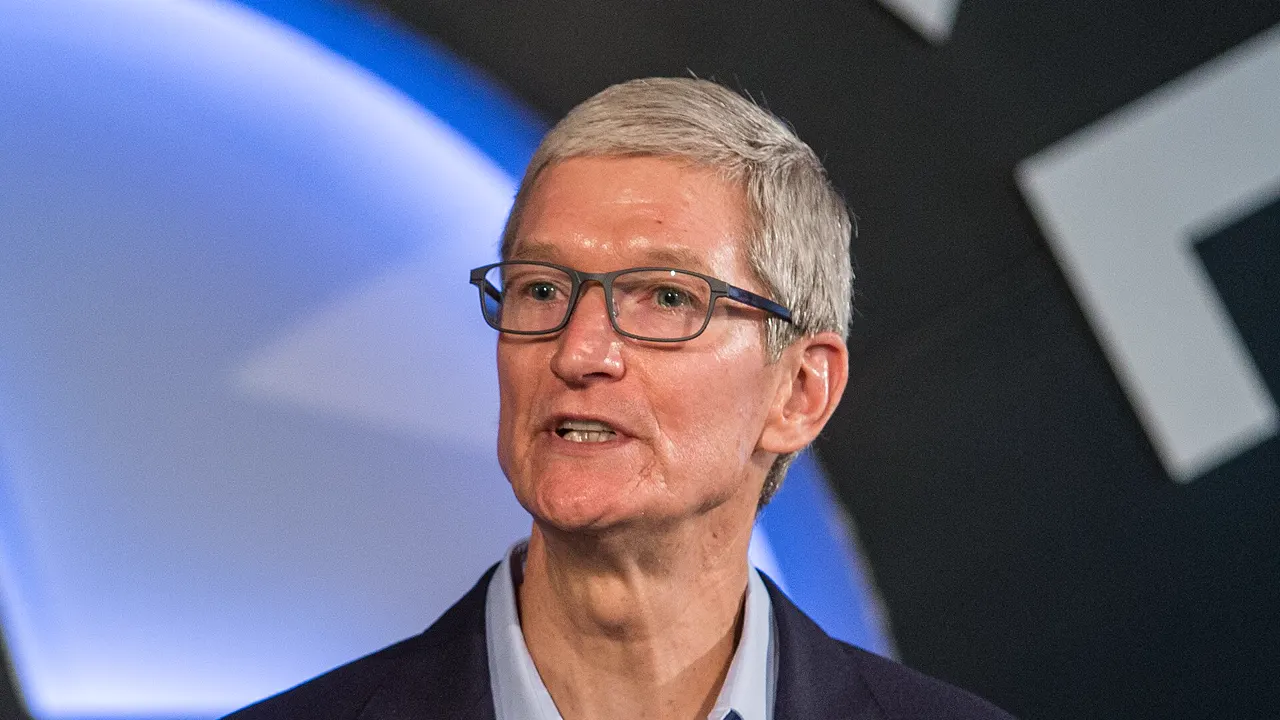
The most valuable chipmaker in the world lost its chief executive on Thursday. Within hours, the president of the United States had named his replacement. Donald Trump said on Truth Social that Tim Cook, the former Apple chief executive, should take over Nvidia — “A Legend replaces a Legend!” — hours after Jensen Huang resigned.
The endorsement is not an appointment. Nvidia’s board makes the call, and it has said nothing about Cook. But it turns the most consequential leadership search in the AI era into a public, political argument — and it spotlights a candidate with an unusual résumé for the job: the man who once succeeded Steve Jobs.
What Trump actually said#
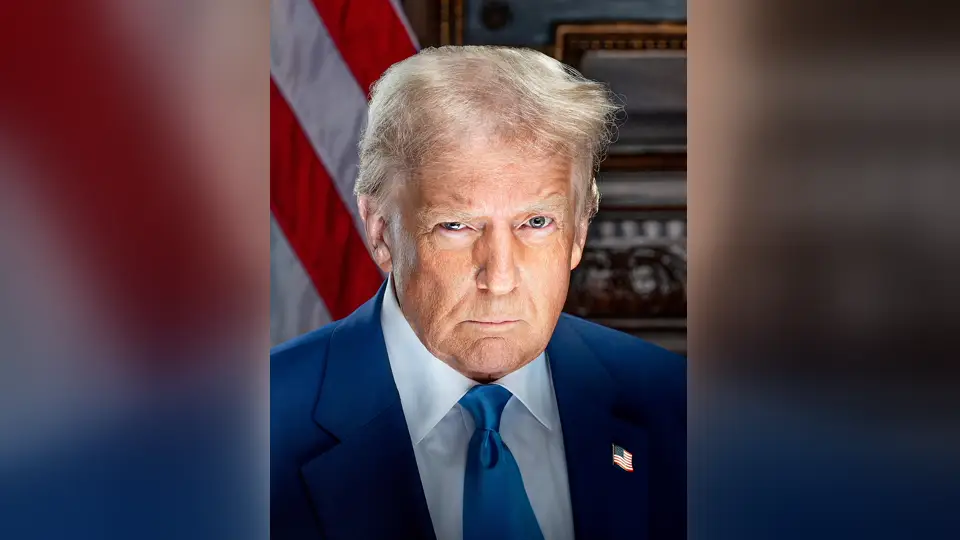
Trump’s post landed on Thursday morning, hours after Nvidia announced Huang’s resignation. “NOW THAT Nvidia CEO JENSEN HUANG, who has done a fantastic job, has resigned, there is only one man to take his place — TIM COOK of Apple,” he wrote. “A Legend replaces a Legend!”
The framing is deliberate: Huang built Nvidia from a graphics-card maker into the engine of the AI boom, and Trump is presenting Cook as the only executive of comparable stature available to follow him. Cook stepped down as Apple’s chief executive on September 1, 2026, after fifteen years in the job; hardware chief John Ternus succeeded him, and Cook stayed on as Apple’s executive chairman, where he still handles global policymaking and the company’s relations with China.
Why Cook’s name carries weight#
Trump was not the first to float the idea. A day earlier, Jeffrey Sonnenfeld, a Yale management professor who studies chief executives, argued in a Time op-ed that Cook should be among the candidates, writing that Cook has “an unparalleled track record of succeeding a bigger-than-life founder.” The Jobs parallel is the pitch: Cook is one of the few executives alive who has already done the hardest version of this job.
His record at Apple is the argument in his favor. He took over from Jobs in 2011 and ran the company for fifteen years, building it into the world’s most valuable business on the strength of operations, supply chains, and steady execution — the unglamorous machinery that turns engineering into money at scale. And his current role keeps him close to the exact issues Nvidia now faces: he manages Apple’s dealings with policymakers and with China, where Nvidia’s business is entangled with export controls and geopolitics.
The counter-case is just as clear. Nvidia is not Apple. It is an engineering-led, founder-driven chip company, and the job is steering the AI buildout — data-center customers, chip roadmaps, and the export-control fight — not consumer devices. Cook has never run a semiconductor company, and at 65 he has only just stepped back from day-to-day leadership once already. He has also said nothing publicly about wanting the job.
What the endorsement does — and doesn’t — do#
A president’s preference is not a nomination. Nvidia’s board controls the process, and it has said it will consider internal and external candidates without naming a shortlist or a timetable. In the meantime, chief financial officer Colette Kress runs the company as interim chief executive, and Harvey C. Jones has become the board’s first chair.
But endorsements move the conversation. The search is now a public story with a named, famous candidate attached to it, and every other name that surfaces will be measured against Cook. That cuts both ways: Trump’s backing raises Cook’s profile, and it also ties any appointment to a political patron the board may prefer to keep at arm’s length — a board that has just asserted its independence in the most dramatic way possible.

The market has not waited for the board to decide. Nvidia’s shares have fallen by roughly a third from their early-October peak, trading around $161 on Friday. The next hard date is Tuesday, November 17, when Nvidia reports third-quarter fiscal 2027 results — its first earnings since Huang’s resignation, against its own guidance of $108 billion in revenue, plus or minus 2%. The quarter being reported ended October 25, before any of this happened, so the numbers will describe the business as it was. The call will be about what comes next: the search, the fourth-quarter outlook, and whatever Kress is willing to say about either.
What to watch#
First, whether Cook or Apple responds at all. Silence is also an answer — and a polite decline from Cook would end the story before the board has to weigh in. Second, whether the board signals a profile or a timeline before or at earnings: an operator like Cook, or an engineering-first leader from inside the chip world. Third, Tuesday’s call itself, where leadership will matter more than the quarter’s figures. And finally, whether other serious names surface — and whether Trump’s pick helps or hurts Cook’s chances with the people who actually get to choose.
The succession was always going to be the most watched hiring decision in tech. Trump just made sure it will be argued about in public, with a name attached, before the board has even started.
Sources#
- TechCrunch — Trump floats Apple chairman Tim Cook as Jensen Huang’s successor
- The Hindu BusinessLine (Reuters) — Trump backs Tim Cook to replace Jensen Huang as Nvidia CEO
- Technology.org — Trump wants Tim Cook to replace Huang at Nvidia
- DataCenterFeed — Nvidia CEO transition: Kress named interim CEO days before Nov. 17 earnings
- Moneywise — Nvidia insiders sold $1B+ before Jensen Huang scandal