WSJ: Nvidia board is preparing to oust Jensen Huang as a second affair surfaces
Nvidia’s board is preparing to oust founder and CEO Jensen Huang, the Wall Street Journal reports, three days after it opened an investigation into an alleged Chinese spy operation targeting him. A second reported relationship — with a direct report — has turned a national-security inquiry into a workplace one, and shares fell about 8% after hours.
- The report: Wall Street Journal, November 11 — the board is preparing to oust Huang and could meet as soon as Wednesday to decide his future. The sources are unnamed; Reuters relayed the report without independently confirming it.
- The second relationship: New York Times, November 11 — Huang had a relationship with Kimberly Powell, Nvidia’s vice president of health care, who reported to him. Powell joined Nvidia in 2008; the Times says the pair were filmed being affectionate at a San Jose hotel in March 2026.
- The first affair: Huang admitted on November 8 that he had been unfaithful to his wife. The relationship was with Alice Huang, a former executive at Singapore-based Megaspeed, whom U.S. officials believe was recruited by China’s Ministry of State Security. The allegation is unconfirmed.
- The market: Nvidia shares fell about 8% in after-hours trading, according to CNBC.
- The inquiry: the board opened an independent investigation on November 8, run by independent directors with outside counsel; Wachtell, Lipton, Rosen & Katz was hired to lead it. Nvidia has no publicly named successor.
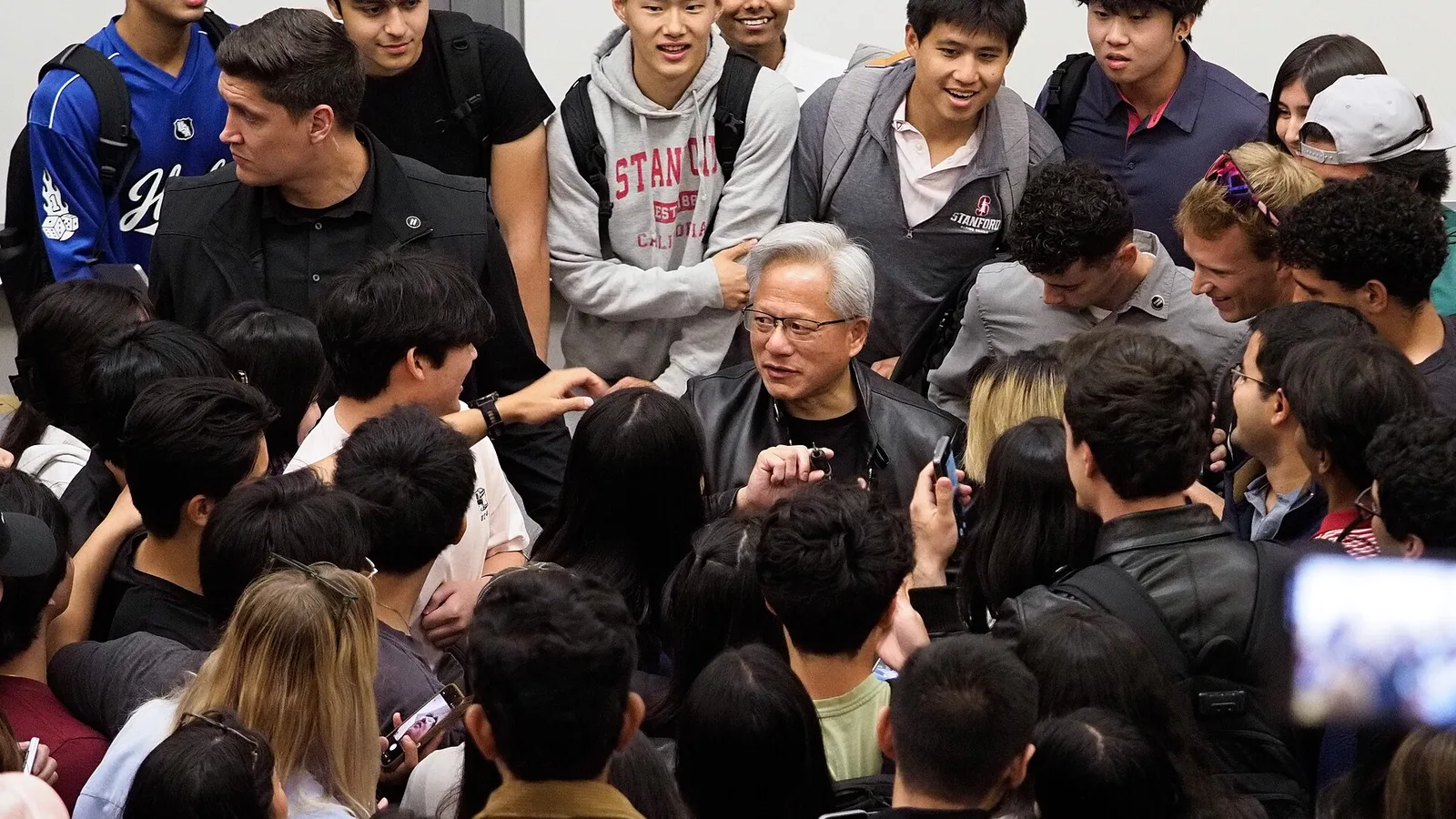
Nvidia’s board of directors is preparing to oust founder and chief executive Jensen Huang, the Wall Street Journal reported on Wednesday — three days after the same board opened an independent investigation into reports that Huang was the target of a foreign intelligence operation. The board could meet as soon as Wednesday to decide his future, the Journal said, citing people familiar with the matter. Nvidia shares fell about 8% in after-hours trading after the reports landed.
Nothing has been decided in public. Nvidia has not commented, no announcement has been made, and the Journal’s sources are unnamed. But the report, relayed within the hour by Reuters and MarketWatch, is the sharpest turn yet in a story that began as an intelligence allegation and is now, unmistakably, a succession crisis.
What the Journal reported#
The Journal’s report, published Wednesday afternoon, says the board is preparing to remove Huang after he had two extramarital affairs, including one with a woman U.S. intelligence officials believe is a Chinese spy. The board was preparing to meet as soon as Wednesday to determine his future. Reuters, which relayed the report, said it had not confirmed it independently, and Nvidia did not immediately respond to requests for comment.
The speed of the reaction is part of the story. Within about half an hour of the report, threads in r/LocalLLaMA and r/accelerate were among the fastest-moving posts on Reddit’s AI forums — and the mood there was skeptical as much as shocked. The most upvoted caution in one thread was blunt: “I’ll believe his ouster when it happens.” That skepticism is warranted. A board preparing to act is not a board that has acted, and the Journal’s account is, for now, a report from unnamed sources, not a company announcement.
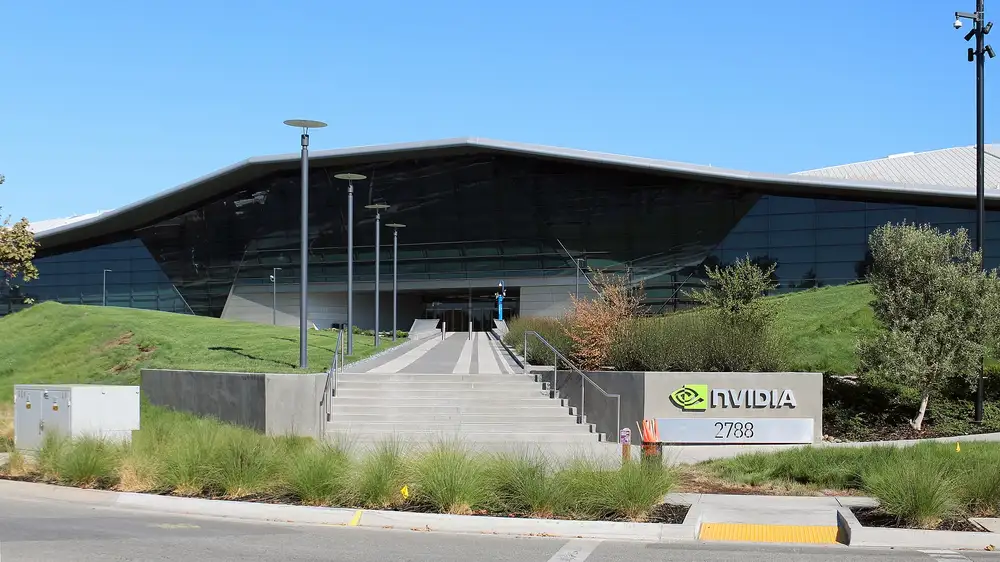
The second relationship changes the question#
Hours before the Journal’s report, the New York Times reported that Huang had a relationship with Kimberly Powell, Nvidia’s vice president of health care, who reported to him. Powell joined Nvidia in 2008 and leads the company’s worldwide health care business. The Times reported the pair were captured on camera being affectionate at a hotel in San Jose, California, in March 2026.
That detail moves the story from one category to another. The first affair raised national-security questions — whether a chief executive had been targeted by a foreign intelligence effort, and whether anything about Nvidia’s chips or its position on export controls had been compromised. A relationship with a direct report raises a different set: conflicts of interest, favoritism, and the integrity of reporting lines at a public company. It is the kind of conduct boards treat as a governance matter on its own, whatever the intelligence picture turns out to be.
It also explains the timing. On Sunday, the board could frame its inquiry as a response to reporting about an intelligence operation while expressing full confidence in Huang. A second relationship, with a subordinate, is harder to frame that way — and the Journal’s report suggests the board’s patience ran out within three days.
Three days from confidence to a possible exit#
The reversal is stark against the record of Sunday, November 8. That day the board announced an independent investigation “in light of recent reporting” that Huang was the target of a foreign intelligence effort, run by a committee of independent directors assisted by outside independent counsel. The same statement said the board had “no reason to believe that either national security or NVIDIA secrets were compromised” and that it had “confidence in Jensen and his leadership team.” Hours earlier, Huang had told staff in a letter: “I was unfaithful to my wife. My actions hurt her and our children. There is no excuse for what I did. I am deeply sorry.” The board later hired the law firm Wachtell, Lipton, Rosen & Katz to lead the probe, CNBC reported.
The reporting behind the inquiry runs back further. The New York Times reported on October 29 that U.S. intelligence agencies believed Alice Huang, a former executive at the Singapore data-center company Megaspeed, had built a close relationship with Huang while passing information to Beijing. The Financial Times then reported that a classified memo described a romantic relationship between the two, and that U.S. officials believed she had been recruited by China’s Ministry of State Security. Megaspeed bought more than $4.8 billion worth of Nvidia chips over two years, according to the Times. Nvidia has said its own earlier inquiry found no evidence of chip diversion. None of the espionage allegations has been publicly proven, and China has denied the spying claims.
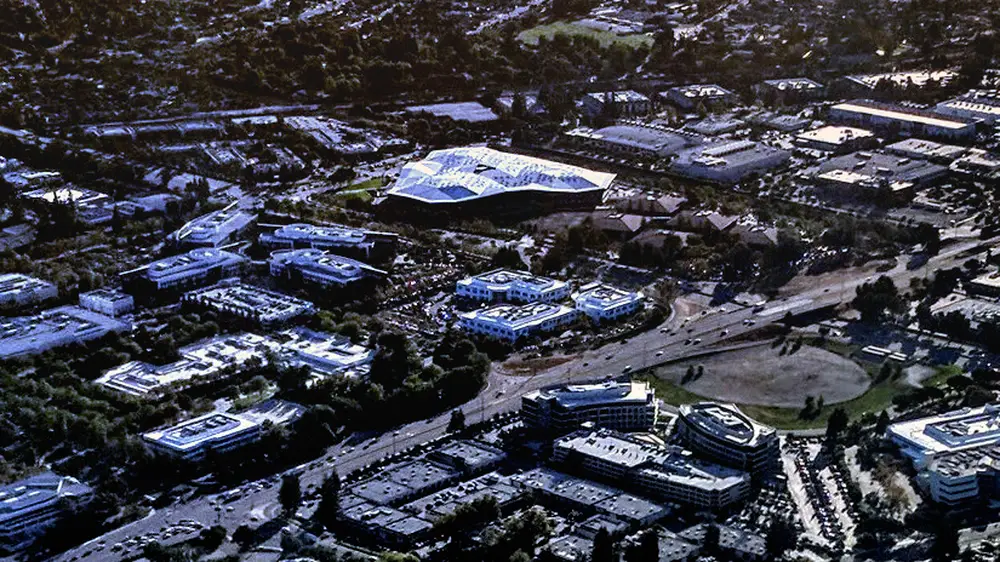
What’s at stake#
Start with succession, because Nvidia has no publicly named successor. The company runs a flat structure built around Huang, with dozens of direct reports, and no obvious heir has ever been identified. Wedbush Securities analyst Dan Ives estimated Nvidia’s valuation could fall 25 to 30 percent if Huang left as CEO, according to Yahoo Finance’s live coverage — one analyst’s estimate, not a market consensus, but a measure of how much of the company’s value investors attach to one person.
Then there is the policy fight. Huang has been the tech industry’s most prominent voice arguing for looser restrictions on selling advanced AI chips to China. The allegation — unproven — that he was targeted by a foreign intelligence effort already complicated that advocacy; an ouster would remove its most effective messenger entirely. The export-control debate does not pause for a board meeting, and whoever runs Nvidia next inherits it.
And there is the calendar. Nvidia reports third-quarter earnings on November 17, six days after the reported board meeting, and three House committee chairs have invited Huang to a closed-door briefing on November 18, with a reply due by November 11. Both dates will now be watched as much for what the company says about its chief executive as for anything else.
What to watch#
Five things, in order. First, whether the board meets on Wednesday and what, if anything, Nvidia announces afterward — a statement, a filing, or silence. Second, the November 17 earnings call and the November 18 House briefing, both now shadowed by the question of who is running the company. Third, whether the independent inquiry continues, is folded into a succession process, or is overtaken by events. Fourth, the underlying evidence: so far nothing public shows that information actually changed hands, and U.S. agencies are said to have concluded there is no evidence Huang knew of any alleged intelligence links. Fifth, the second relationship itself: the Times’ video account is the only public evidence so far, and what, if anything, Powell or Nvidia say about it will shape how the board’s move is read.
Until the board speaks, the honest summary is one sentence long: a report says the board is preparing to remove its founder and chief executive — and nothing has been announced.
Sources: Reuters, ‘Nvidia is preparing to oust CEO Jensen Huang, WSJ reports’ (November 11, 2026), here; Human Resources Director, ‘Nvidia board prepares to oust Jensen Huang after second affair’ (November 11, 2026), here; MarketWatch, ‘Nvidia’s stock drops as the board reportedly prepares to remove CEO Jensen Huang’ (November 11, 2026), here; Seeking Alpha, ‘Nvidia board prepares to remove Huang after latest allegations: report’ (November 11, 2026), here; The Register, ‘Nvidia CEO Jensen Huang admits affair with possible Chinese asset’ (November 9, 2026), here; the r/LocalLLaMA thread, here; the r/accelerate thread, here; AI Frontier Post, ‘Nvidia board launches independent investigation after Jensen Huang admits affair with alleged Chinese spy’ (November 8, 2026), here. Cover photo: Jensen Huang surrounded by students after a talk at Stanford University, April 30, 2026, photo by Anderseidesvik, CC BY-SA 4.0, via Wikimedia Commons. Second image: Nvidia headquarters, Santa Clara, photo by Coolcaesar, CC BY-SA 4.0, via Wikimedia Commons. Third image: aerial view of the Nvidia campus, Santa Clara, photo by Dicklyon, CC BY-SA 4.0, via Wikimedia Commons.