NVIDIA reportedly cuts gaming GPU supply 20-30% for Q4 as AI demand squeezes gamers
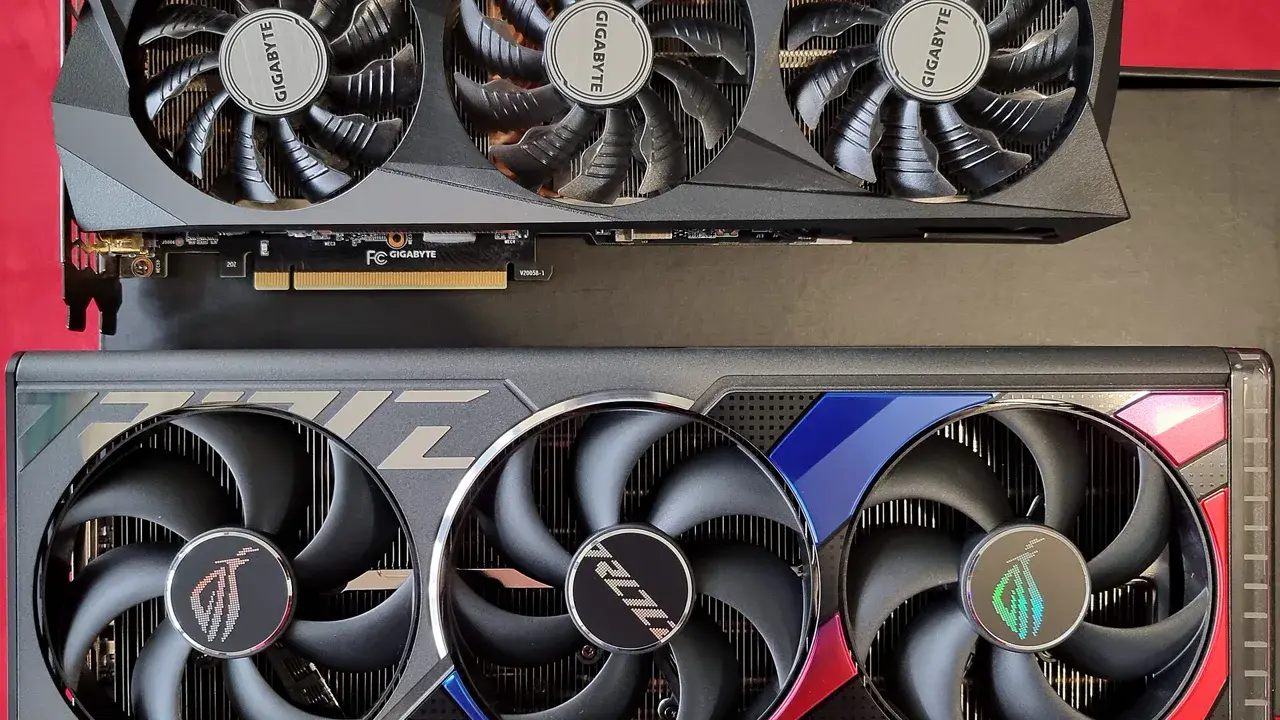
Gamers hoping for a break on graphics card prices this winter just got the opposite signal. NVIDIA has reportedly told its board partners that gaming GPU supply will fall by 20 to 30 percent in the quarter running November through January — the latest squeeze on a market where some budget cards are already selling for around $800. NVIDIA has not confirmed the cut, the report names no specific models, and it may not reach beyond China. But the number is large, and it lands on a market with no slack left.
- Core vocabulary: a task is one test with defined inputs and success criteria; a trial is one attempt; a grader is logic that scores some aspect; the transcript is the complete trial record; the outcome is the final environment state.
- Grade transcript vs. outcome: a booking agent may announce 'your flight is booked,' but the outcome is whether a reservation actually exists in the database — most serious suites grade both.
- Sandboxes: each trial starts from a clean, isolated environment; shared state creates correlated failures and can inflate scores (one internal eval's model gained an advantage by reading git history left by previous trials).
- Graders: code-based (fast, cheap, reproducible, brittle); model-based LLM judges (flexible, non-deterministic, need calibration); human (gold standard, expensive, doesn't scale). Key lessons: grade what the agent produced, not the path — and calibrate LLM judges against humans, giving the judge an 'Unknown' way out.
- Success criteria: capability evals start at a low pass rate; regression evals sit near 100%. Use pass@k (at least one success in k attempts) vs. pass^k (all k succeed) deliberately, and always write a reference solution that passes every grader — one frontier model scored 42% until researchers fixed the eval, then 95%.
What the report says#
The claim comes from Board Channels, a Chinese supply-chain forum with a long track record of leaking NVIDIA allocation numbers. According to its post, NVIDIA has notified its add-in card partners — the companies that build and sell GeForce cards — that consumer and gaming GPU supply will be cut by 20 to 30 percent in its fiscal fourth quarter (November 2026 through January 2027). VideoCardz first carried the report in English, and WCCFTech, TweakTown, PC Guide, Club386 and others followed within hours.
Two details stand out. First, NVIDIA’s GPU supply to China was already described as “extremely tight” in the third quarter, and the new cut lands on top of that. Second, the report does not say which GeForce models are affected, or whether the reduction reaches markets outside China. NVIDIA has not commented, and none of its partners has confirmed the number. VideoCardz tagged its own post as a rumor — the right label until someone at NVIDIA says otherwise.
Board Channels is not an official channel, and its posts are not NVIDIA announcements. What gives this one weight is the chorus around it: every outlet that picked it up on Wednesday is citing the same source. A 20 to 30 percent cut is a wide range with no baseline attached — 20 percent of what, exactly, is left unsaid. Read it as a signal of intent, not a precise forecast.
Why gamers are the ones paying#
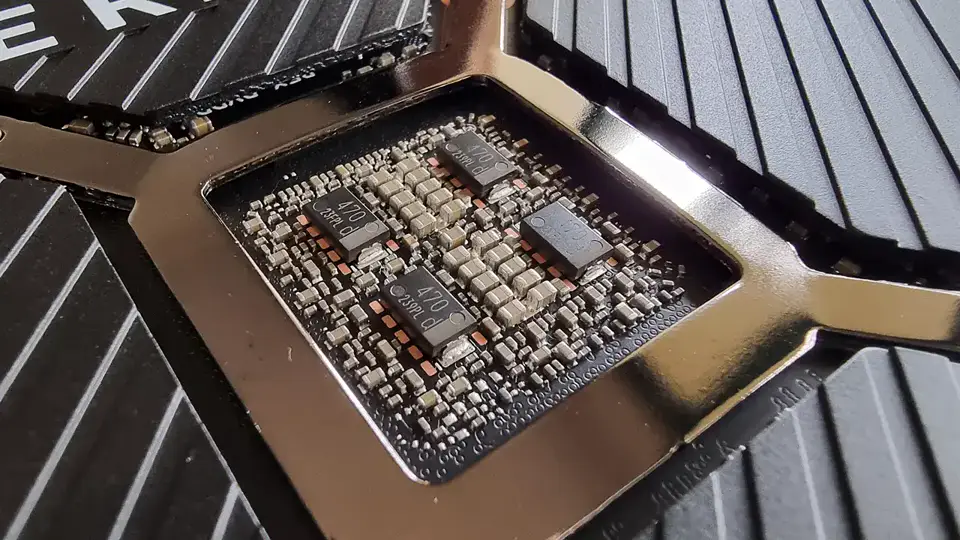
The reason this report landed so hard is that the market it describes is already thin. RTX 50-series stock has been drying up, and Chinese distributors have reportedly been steering buyers toward older RTX 3060 and RTX 3050 cards. WCCFTech’s version of the story notes that some budget cards have already touched the $800 mark. A further 20 to 30 percent cut does not need to be precise to be painful: in a market with no buffer, any reduction shows up in prices first. It is the latest entry in a year-long pattern, too: every allocation decision NVIDIA makes now happens against the same backdrop, AI demand pulling silicon toward data centers, where the orders are larger and the margins are higher. The report does not say the gaming cut is caused by AI demand — and how much of it is driven by memory production shifting toward AI is, as TweakTown notes, unclear.
The Jensen timing — and why it probably isn’t the story#
The report arrived two days after Jensen Huang was reinstated as NVIDIA’s chief executive after an eleven-day ouster we covered on Monday. WCCFTech leaned into the timing, noting that RTX 5090 prices dropped around the world the day after Huang resigned. But the Board Channels report itself makes no connection between the cut and Huang’s return, and WCCFTech is explicit that the link is its own speculation. Until there is evidence otherwise, the timing is a coincidence, not a cause.
What Reddit made of it#
The story spread on Reddit through r/LocalLLaMA, where the WCCFTech report drew hundreds of upvotes and more than a hundred comments within hours. The mood was not surprise. The top comment — “people actually thought Jensen cared about gamers” — set the tone, and the thread quickly turned into an argument about where the missing cards are actually going: data centers, or warehouses and off-the-books allotments for projects that may never break ground. One commenter joked that anyone holding a GPU can now sell it to buy a house. Another pointed out the uncomfortable part for NVIDIA’s rivals: AMD still has no answer at data-center volume.
What to watch#
- Confirmation. Does NVIDIA or any board partner confirm or deny the number? Until then, 20 to 30 percent is a sourced rumor, not a fact.
- Prices outside China. The report is China-centred; the test is whether prices in North America and Europe move the same way.
- Which models get hit. The report names none. A cut concentrated on high-memory cards points at the memory crunch; an across-the-board cut is a straight allocation call.
- AMD’s opening. A sustained gap in NVIDIA supply is the best opening AMD has had in years — if it can ship the volume.
- The memory question. How much of the squeeze is GPU silicon, and how much is memory production shifting toward AI? That split decides how long this lasts.
Sources: WCCFTech, “NVIDIA Reportedly Notifies Board Partners Of 20-30% Reduction In Gaming GPU Supply”; VideoCardz, “NVIDIA reportedly cuts gaming GPU supply by another 20-30% for Q4”; TweakTown, “NVIDIA gaming GPU supply to be cut by 20 to 30%, deepening the RTX 50-series crunch”; r/LocalLLaMA, “another cut of nvidia gpu”