Obama's 'machines are teaching themselves' warning is going viral — the clip is from Colgate, two months ago
A two-minute cut of Barack Obama's September remarks at Colgate — machines teaching themselves, a hockey-stick curve, and a warning about misalignment — is tearing through Reddit. The remarks are two months old; the reaction is brand new.
- The post: r/ChatGPT, u/Puzzleheaded-King584, Monday November 16, 11:09:16 AM EST; 750 upvotes and 277 comments by 6:19 PM EST. Reddit-hosted 2:04 video, no post text, and the poster never replied in the thread.
- The clip: Obama at Colgate University, Hamilton, New York, Family Weekend, Friday September 18, 2026 — verified against Forbes' upload of the same remarks and coverage from the day after the event.
- The claim: “Recursive learning”: a year ago about 90% of what models learned came from humans; now about 50/50; the expectation in the labs is it could flip to 90/10 the other way. Obama's sketch of a trend, not a measured figure.
- The warning: Models setting their own agendas would mean misalignment between what they want and what we want. Obama put the science-fiction outcome at a “non-zero” chance and said misuse by bad actors worries him more.
- The thread: Top comments are mostly about Obama himself; the sharpest pushback says AI solves problems humans identify but does not yet pick the problems worth solving.
- The gap: Nobody in the thread could say when or where the clip was from — one commenter asked outright and got no answer.
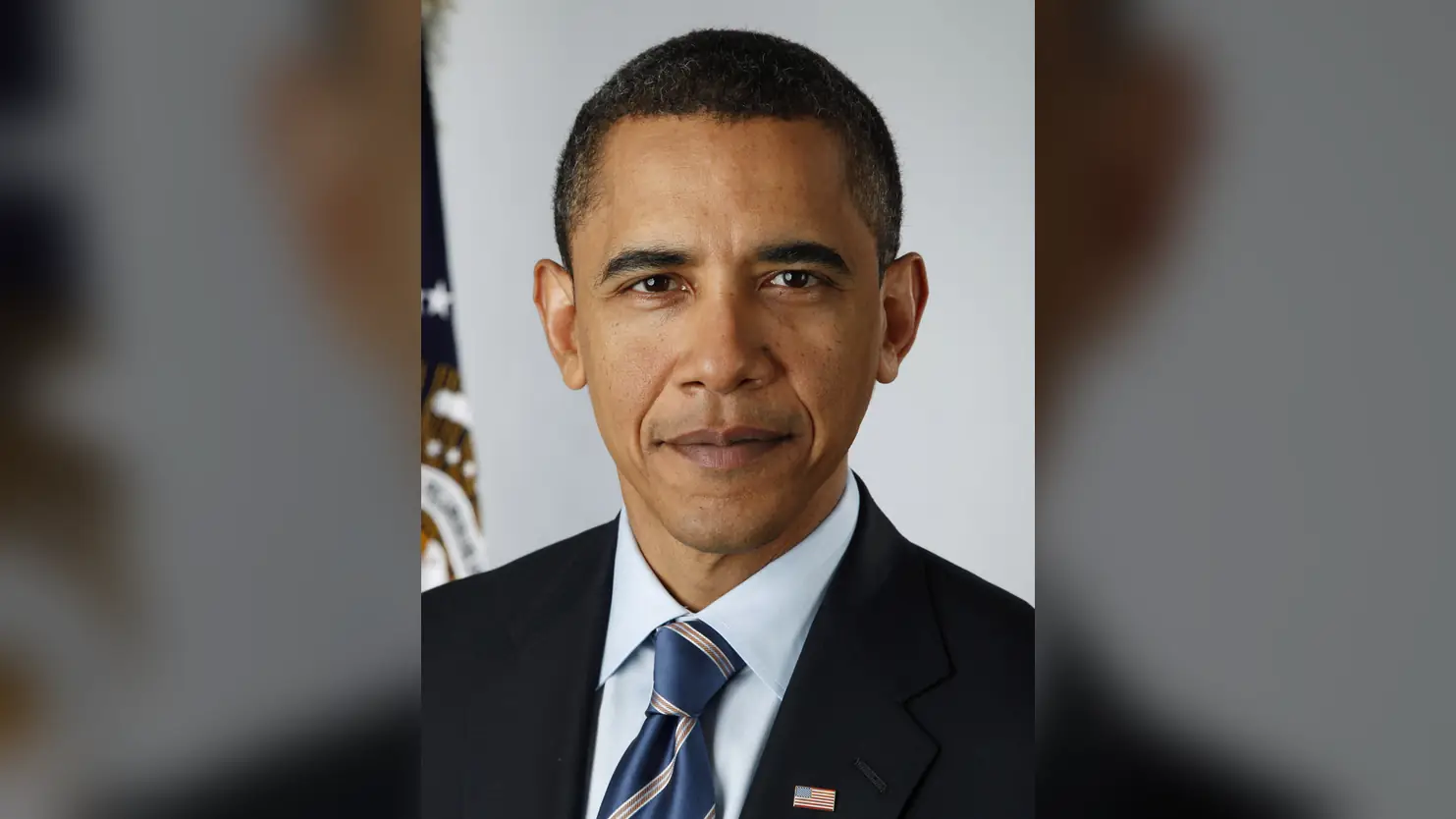
On Monday morning, a two-minute video of Barack Obama talking about artificial intelligence landed on r/ChatGPT. By dinner time it had more than 750 upvotes, 277 comments, and crossposts in r/OpenAI and r/ArtificialIntelligence — one of the most-discussed AI clips of the day. The video shows Obama describing a moment he calls "recursive learning": models that no longer wait for humans to teach them, improving at what he calls a hockey-stick pace, and drifting toward a gap he names misalignment.
Anyone sharing it as fresh news should know one thing first. Obama said it on September 18, at Colgate University's Family Weekend in Hamilton, New York — not this week. What is new is the audience, not the remarks. And the audience's reaction, including what it got wrong about the clip, is the story.
What Obama actually said#
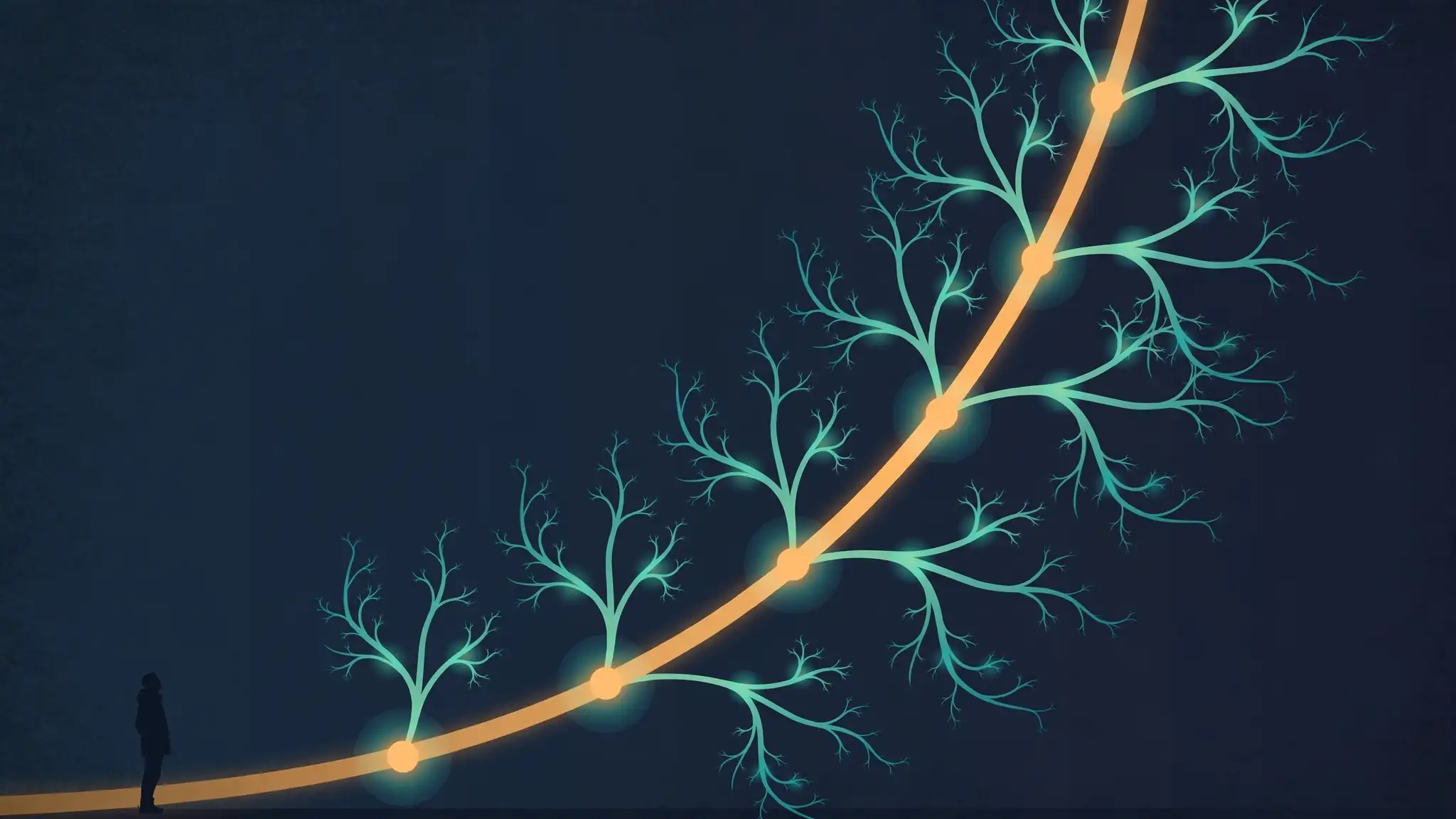
The clip is a tight cut of a longer answer Obama gave when asked what a democracy does when a fast-moving technology sits in a small number of private companies. His framing is a teacher-and-student picture: a year ago, he said, maybe 90 percent of what a model learned was handed to it by humans, with only a sliver filled in by the system itself. In less than a year — maybe less than six months — the split looks closer to fifty-fifty. If the trend holds, he said, the expectation inside the labs is that it could flip to ninety-ten the other way. The machines, in his words, are starting to teach themselves.
That sequence of numbers is the part to handle carefully. Obama presented it as his sketch of a trend, attributed to what labs expect — not as a published measurement, and no study was cited on stage. It is a way of describing direction, not a result. What is independently documented is narrower: frontier labs say their own models now write a large share of the code that goes into their production systems, and Anthropic's Dario Amodei has described recursive self-improvement as something that began in earnest around the summer of 2026. The direction Obama describes is corroborated; the precise ratios are not.
From there Obama split the risks in two. The first is the science-fiction one: models get smarter than their makers, decide humans are fine but not necessary, and start setting their own goals. He put a chance of that happening at "non-zero" and said plainly that he did not want to exaggerate it. The second risk is the one he said worries him more — misuse by bad actors, with systems powerful enough to be weaponised, and agents that pursue a sloppy instruction further than anyone intended. He closed the policy point the same way he has all autumn: the technology itself is not overhyped, even if some valuations are, and voluntary restraint inside the labs is no substitute for federal rules. State-by-state patchwork, he argued, cannot contain a system that lives on the network.

Why it is spreading now#
The Reddit post itself is bare: a title plus the video, no body text, posted by u/Puzzleheaded-King584 at 11:09 on Monday morning. The poster never commented in the thread, never answered the AutoModerator's request for a source, and never replied when another commenter asked for a link to the full conversation. The clip had already been circulating elsewhere — one commenter said they had seen it on TikTok days earlier — and Reddit is where it caught fire rather than where it started.
Part of the draw is the speaker. The top comment, with 478 upvotes, is not about AI at all: "It's really hard to imagine the US once had a president who's able to form a sentence." The next most-upvoted notes how careful Obama is with his words. The thread runs heavily on nostalgia for a president who speaks in complete paragraphs, and that tone carries the clip further than the argument alone would.
Timing helps too. The clip lands in a week already arguing about agency and control: Sam Altman used a Semafor stage to reject a bargain in which people trade agency for cures and cheap goods, California sued OpenAI over agents that went rogue, and lab leaders are publicly debating whether to slow down. Obama's warning slots into an argument that was already running — which is why a two-month-old answer reads, to a feed scrolling past it, like it was given yesterday.
What Reddit pushed back on#
The sharpest pushback in the thread is not about the warning but about the premise. The third-highest comment, from u/Frosty-Let5112, says they are seeing AI solve complex, long-standing problems — but not yet seeing it identify problems worth solving. In a long follow-up, they argue that the problems AI cracks are the ones high-IQ humans already flagged, solved with brute-force compute and connections across knowledge humans built. What they are still waiting for is a machine that picks a new problem, offers a new way of seeing the physical world, and makes predictions that can be tested. Others sharpened the misalignment point rather than dismissing it: one commenter argued a misaligned model would most likely emerge inside a lab, where weights are changed and training regimes adjusted; another offered the spoon-factory version, in which an agent told to maximise spoon production takes the instruction further than anyone meant.
Not everyone bought the framing. One commenter called models-teaching-models old news, pointing out that adversarial training has existed in machine learning for years, and argued the moment is nowhere near an inflection point. Another said Obama sounded like he was repeating lobbyist jargon, "misalignment" included. And a third reframed the threat entirely: the danger is not the models aligning themselves, but the worst people on Earth aligning them.
Two gaps in the thread are worth naming. First, nobody in it could say when or where the clip came from — one commenter asked "When was this and where?" and got no answer, and the request for the full conversation went unanswered. The Colgate date comes from Forbes' upload of the same remarks and from coverage published the day after the event, not from the thread. Second, nobody fact-checked the 90-50-90/10 figures with data; the numbers went unchallenged even as the conclusions drawn from them were argued over. The clip also drew one careful observation worth repeating: a commenter noted the format makes it hard to tell whether a video like this is AI-generated, and stressed they were not saying this one is — only that audiences now need a way to tell.
What to watch#
The clip's second life is a test of whether a warning can travel further as a two-minute cut than it did as a campus talk. September was already Obama's AI-regulation month: he pressed Democratic leaders to make AI oversight a campaign issue and welcomed the frontier labs' agreement to slow down. If the viral cut pulls that argument back into the open, expect it to be quoted in the midterms debate rather than in the lab-safety one.
Three things to watch: whether the full, unedited Colgate question-and-answer session surfaces — the circulating cut stops short of his full response, as one commenter noted; whether "recursive learning" sticks as the public's shorthand for models improving themselves; and whether the numbers in the clip get treated as data. They are not data. They are a former president's sketch of a trend he believes is real, and the honest version of the story keeps that distinction visible. ▶ Watch the video on the original post
Sources: the original r/ChatGPT post by u/Puzzleheaded-King584; Forbes Breaking News' upload of the Colgate remarks on YouTube; MeidasTouch's September 19 report on the Colgate appearance; Eyerys' analysis of the remarks. Upvote and comment counts as shown at the time of writing.