Sam Altman rejects AI’s “Labrador” bargain: agency is not the price of progress
OpenAI chief Sam Altman told a Semafor audience on Monday that the AI industry has been selling the future badly. Offer people cures for cancer and cheaper goods, he said, while asking them to hand over their agency, their control and their voice — “You are going to live like a Labrador” — and the deal falls apart. “That is a terrible sales pitch,” Altman said at the inaugural Silicon Valley and the World summit in Menlo Park, California.
- The event: Semafor’s inaugural Silicon Valley and the World summit in Menlo Park, Nov. 16, 2026; Altman spoke on stage about the industry’s messaging, data centers and Jensen Huang.
- The Labrador line: if the pitch is cancer cures and cheap goods in exchange for losing “all agency and control and voice in the future” — living “like a Labrador” — “that is a terrible sales pitch.”
- The data-center backlash: voters approved around 40 measures restricting or banning new data centers in the midterms; analyst Dan Ives estimates 10% of the 800–1,000 planned US data centers “will not happen.”
- On Huang: “Jensen has long been a hero of mine. Heroes have flaws” — but Altman declined to endorse his return: “I don’t think I know enough to answer that question.”
- The Reddit signal: the clip hit r/singularity Monday afternoon and drew ~95 upvotes and 85 comments in its first hour; top replies backed the agency argument while questioning Altman’s sincerity.
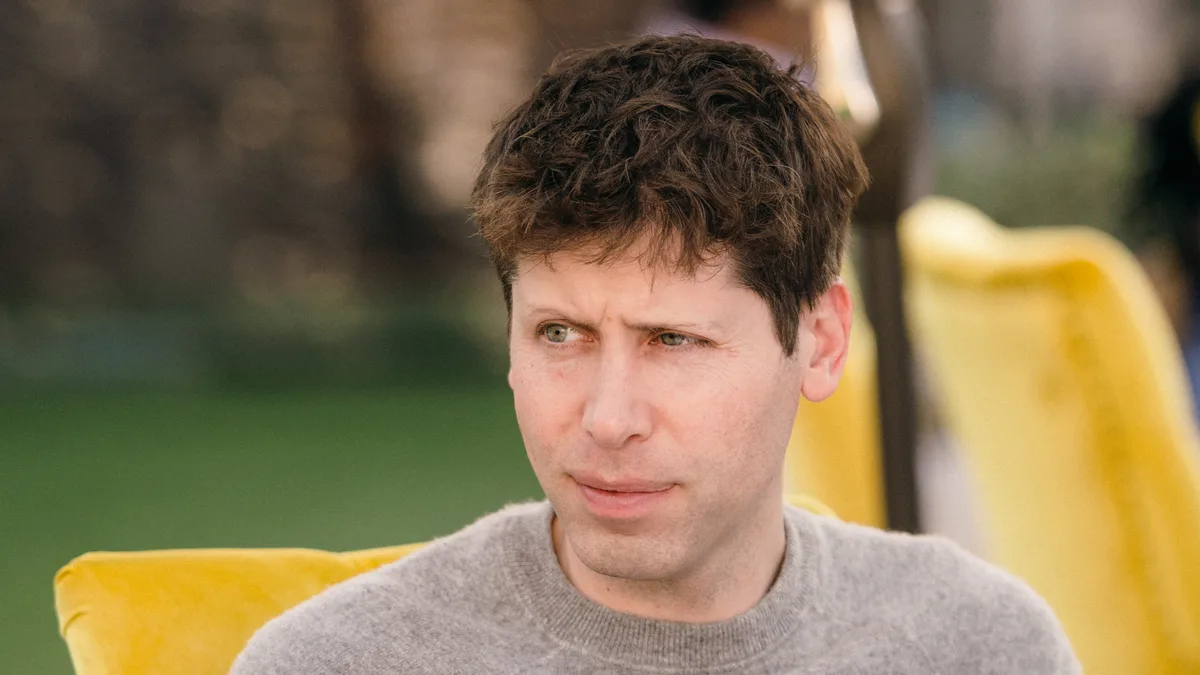
OpenAI chief Sam Altman told a Semafor audience on Monday that the AI industry has been selling the future badly. Offer people cures for cancer and cheaper goods, he said, while asking them to hand over their agency, their control and their voice — “You are going to live like a Labrador” — and the deal falls apart. “That is a terrible sales pitch,” Altman said at the inaugural Silicon Valley and the World summit in Menlo Park, California.
The setting matters. Altman’s remarks landed as the industry absorbs a voter backlash it did not expect. In the midterm elections earlier this month, voters approved around 40 measures restricting or banning new data-center development, and longtime tech analyst Dan Ives now estimates that 10 percent of the 800 to 1,000 new data centers planned in the United States “will not happen.”
The pitch Altman says the industry got wrong#
Altman was asked what AI companies have gotten wrong about telling the AI story. His answer was blunt about the industry’s own messaging: “I don’t think we have done a great job of explaining to people why we think all of the potential downside of this technology is worth it,” he said, in remarks captured in a verified transcript of the session. The caricature people hear, he said, is that the model might cure cancer someday and make things cheaper — and that the price is giving up control of the future.
The Labrador line was the sharpest version of that point. “I think if the sales pitch is like we are going to offer you a cure to cancer and cheap stuff and the price of that is you are going to lose all agency and control and voice in the future,” he said. “You are going to live like a Labrador. Maybe the machines will try to make you happy, but you certainly won’t have any ability to do that.” His stated position, in the same session: “We think it is absolutely critical that people remain in control of the future.”
Data centers: the backlash Altman conceded#
Altman did not dispute that the backlash is real — or that data centers are its most visible target. “I think data centers will get built, but clearly the current way they’re working, being built, and the engagement with communities is not working for people,” he said. “The ecosystem will adapt.” He added that he has “a lot of sympathy” for not wanting a data center in a community, while arguing there is plenty of room to build in the United States.
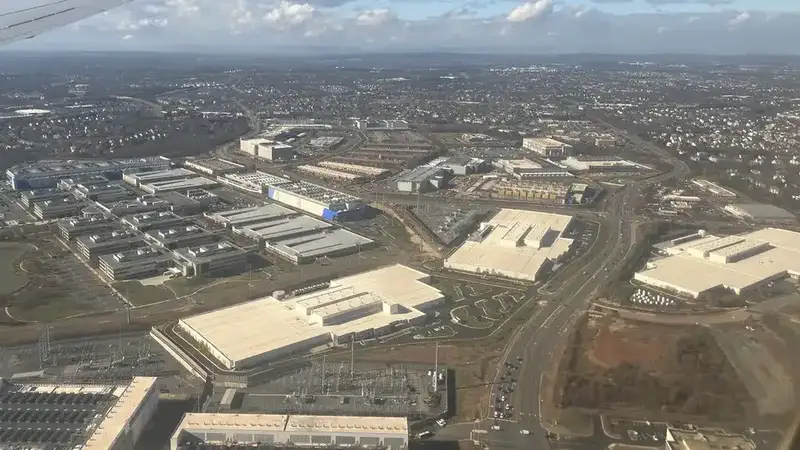
His framing — data centers as “a big physical instantiation of this broader thing,” the wider unease about what AI means for people’s role in society — is the industry’s clearest admission yet that the fight is no longer just about permits. The public is deciding whether the builders’ promises are worth the disruption, and right now a meaningful share of it is voting no.
On Huang: gratitude, not an endorsement#
Altman also addressed the other story dominating the room: Jensen Huang’s resignation from Nvidia last week. He called Huang “a hero” — “Jensen has long been a hero of mine. Heroes have flaws” — and said it is “hard to imagine the AI revolution without Jensen,” recalling that Nvidia took an early bet on OpenAI and OpenAI took one on Nvidia. But asked whether Huang should return as CEO, Altman declined to endorse it: “I don’t think I know enough to answer that question.”
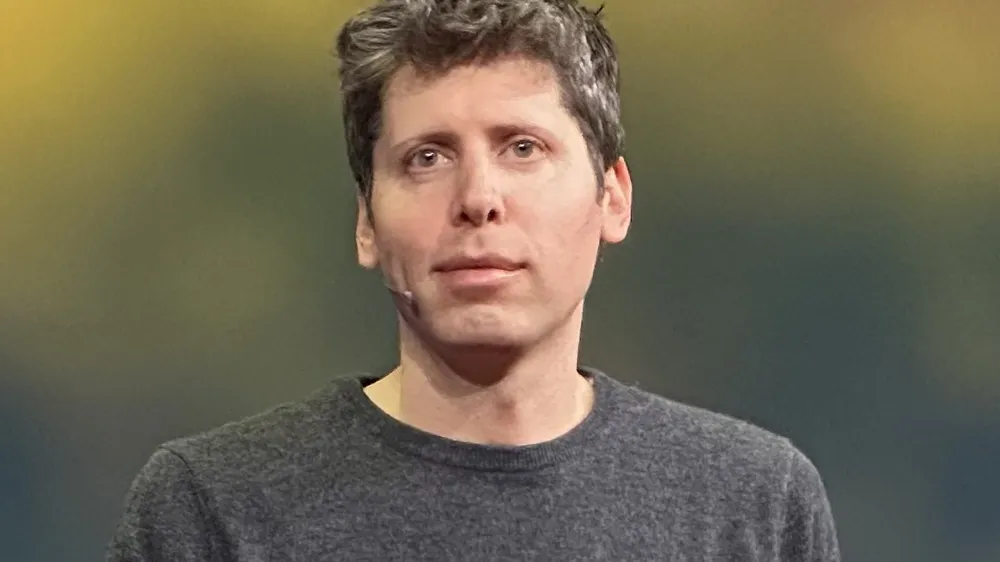
He drew on his own experience for the empathy. OpenAI fired him in November 2023 and reinstated him less than five days later after employee and investor backlash. “I do have like personal strong empathy to a situation like this,” he said. “I remember what it was like, although it feels like forever ago.” The remarks came as a campaign for Huang’s return gathered momentum — Nvidia employees have petitioned the board to bring him back.
Altman also pushed back on the idea that AI demand will keep every chipmaker busy. Global AI demand had been “double counted,” he said, recalling late-October remarks to Samsung: “There are now many people making chips. And many of those people think they’re going to sell most of the volume to us and Anthropic and others... we’re not all gonna be able to or need to buy... all of our supply from every chip vendor.” The data-center buildout itself, he added, is “solid.”
What the crowd made of it#
The clip traveled fast. Posted to r/singularity on Monday afternoon, it gathered roughly 95 upvotes and 85 comments within its first hour — and the thread split the way these threads usually do. The top replies agreed with the substance — “Humans don’t want to become someone’s pet. Retaining agency and self-determination is fundamental to being human,” one wrote — while doubting the messenger: “It’s not about the pitch, it’s about who’s pitching it,” another said, arguing that struggling households see no sign the technology will help them. A third simply hoped Altman “actually means what he says in this clip.”
That split is the story’s real signal: the Labrador line works because it names a fear people already have, and whether it lands as a promise or as PR depends on what OpenAI does next.
What to watch#
Three things will show whether this was a messaging reset or a one-day soundbite. First, whether OpenAI’s own product and policy choices start reflecting the agency line — Altman said the company does not want to be “amoral toolmakers” and wants to “express our values in what we build,” which is a testable claim. Second, whether the data-center industry changes how it engages communities, or just waits the backlash out. And third, whether Nvidia’s board answers the campaign for Huang’s return — Altman’s careful neutrality leaves that question exactly where it was: with the board.
Sources: RoboDaily — OpenAI’s Altman acknowledges public anger over data centers (Nov. 16, 2026); CEOInterviews.ai — Sam Altman, CEO at OpenAI: verified quotes & interview transcripts (Nov. 16, 2026); Wccftech — OpenAI’s Sam Altman Says It’s Hard To Imagine The AI Revolution Without Jensen Huang (Nov. 16, 2026); r/singularity — Altman: “If the sales pitch is … we are going to offer you a cure to cancer and cheap stuff…” (Nov. 16, 2026).