OpenAI countersues Apple, accusing it of stealing trade secrets and squeezing its suppliers
OpenAI has stopped playing defense. On Friday, the ChatGPT maker filed counterclaims against Apple in federal court in San Jose, accusing the iPhone maker of stealing its trade secrets and leaning on the hardware suppliers both companies share — turning a lawsuit Apple started into a two-way fight over who builds the next generation of AI devices.
- The filing: OpenAI countersued Apple on Friday, November 27, in federal court in San Jose, California — claims of trade-secret theft, contract interference, and unfair competition.
- The supplier charge: OpenAI says Apple “coerced and threatened” shared hardware suppliers, asking them to name staff assigned to OpenAI projects and pressing at least one vendor to stop work.
- The mirror claim: OpenAI says a former employee who returned to Apple took its product plans and supplier details — the same kind of exit Apple sued over in July.
- The status: no court has ruled on either side’s claims; the original case is set for trial on July 19, 2027.
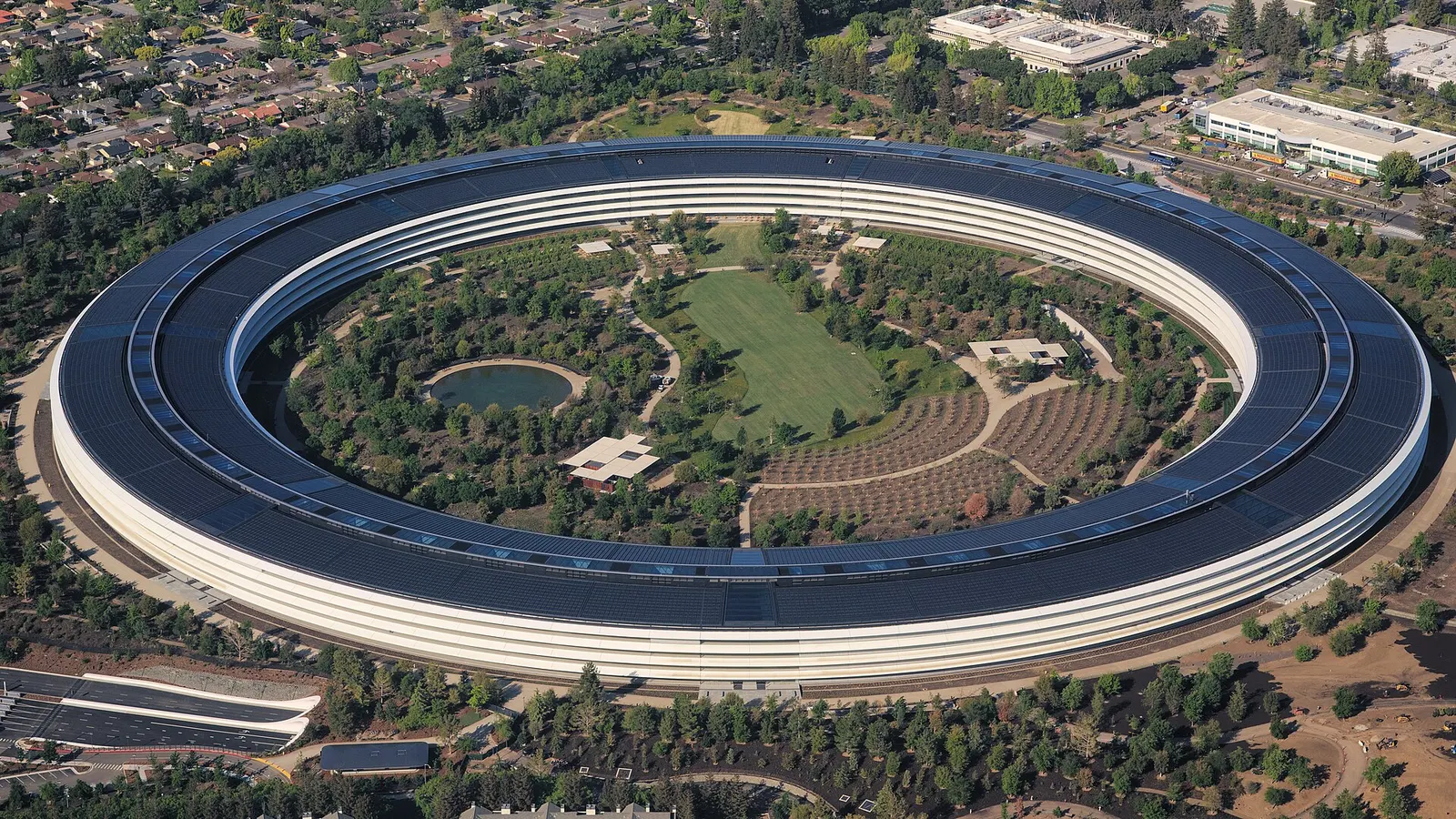
The filing, first reported by the Financial Times, brings claims of federal trade-secret theft, interference with contracts, and unfair competition under California law. It is the sharpest escalation yet in a dispute that began in July, when Apple sued OpenAI and its hardware unit, io Products, alleging that two former Apple employees carried confidential engineering files to OpenAI to help it build a rival device.
What OpenAI is alleging#
At the center of the counterclaims is the supply chain. OpenAI accuses Apple of “coercing and threatening” suppliers that work with both companies — asking shared manufacturers to identify which of their staff were assigned to OpenAI projects, and pressuring at least one vendor to stop work for OpenAI altogether. The message, as OpenAI tells it, is that doing business with the ChatGPT maker carries a cost with Cupertino.
OpenAI also turns Apple’s original accusation back on it. The filing says a former OpenAI employee who returned to Apple took details of OpenAI’s product plans and suppliers with them — the same kind of exit Apple complained about in July. And it contends that Apple’s own employment and exit policies create “trapdoors” designed to let the company accuse departing staff of theft, and that Apple encouraged employees to keep corporate files on personal devices and cloud accounts.
The framing is blunt. OpenAI argues Apple brought its original suit because it is losing the AI race: the filing says Apple “has struggled to incorporate innovative AI capabilities into its previously popular products” and is trying to “compete unfairly by any means available.”
How the fight started#
Apple opened the case in July, suing OpenAI, io Products, and former Apple employees Tang Tan and Chang Liu. Apple alleged the two men took confidential hardware development details with them when they left to join OpenAI’s device effort. Tan had previously led product design for the iPhone and Apple Watch. OpenAI denied the claims and cast the suit as an attempt to stop it from hiring Apple talent.
The dispute sharpened in October, when OpenAI said an employee who returned to Apple had sent more than 100 confidential files about unreleased OpenAI hardware to personal accounts — including device images, engineering data, and supplier information. Apple said its investigation had found no OpenAI confidential information.
So far the case has moved Apple’s way. A judge indicated the court was “highly likely” to grant Apple’s request for a preliminary injunction, and in October OpenAI pledged not to use the Apple trade secrets at the center of the suit. Apple has also won expanded access to evidence during discovery. Trial is set for July 19, 2027.
The hardware stakes explain the heat. OpenAI’s device ambitions follow last year’s acquisition of Jony Ive’s io firm, and the personal devices at issue are its bid to define computing after the smartphone — territory Apple has owned for nearly two decades.
What Apple says#
Apple denies OpenAI’s claims outright. In a statement shared after the countersuit was filed, the company said: “This case is about OpenAI employees deliberately stealing, accessing, and using Apple’s secret and confidential information regarding our unreleased technologies, processes, and products — not about inadvertent retention of Apple information. OpenAI’s counterclaims are a transparent attempt to distract from the substance of Apple’s lawsuit, in which OpenAI has already been ordered to stop using Apple’s confidential information.”
Neither side’s claims have been decided by a court. Everything on the record so far is allegation, motion, and discovery — and the gap between the two stories is the case itself.
Why it matters#
Trade-secret cases between tech giants are common; this one is different because of what the alleged misconduct targets: not just secrets, but suppliers. If Apple used its purchasing weight to steer shared manufacturers away from OpenAI, the dispute stops being a story about who took whose files and becomes a question about whether an incumbent can slow a rival’s hardware simply by being its biggest customer. That is a competition argument, and it travels well beyond these two companies.
For OpenAI, the countersuit also reframes the narrative. For five months it has been the defendant. Now it gets to argue the opposite — that Apple is the one raiding secrets and squeezing vendors — and to put Apple’s hiring practices and supplier conversations into discovery. For Apple, the risk is that a case it filed to protect unreleased hardware becomes a public airing of how it treats the companies that build its products.
What to watch#
- Whether the court lets both sets of claims proceed together — and what discovery reveals about the supplier conversations.
- Any ruling on Apple’s preliminary injunction, and whether OpenAI’s October pledge not to use the secrets at issue holds.
- What OpenAI’s first io devices look like, and whether shared-supplier access constrains their launch.
- The trial, set for July 19, 2027 — a long way off, with room for settlement before either side must prove its story.
Sources: 9to5Mac, “OpenAI countersues Apple, alleging trade secret theft and supplier threats; Apple responds” (November 27, 2026); Decrypt, “OpenAI Turns the Tables on Apple With Its Own Trade-Secret Theft Claims” (November 27, 2026); AppleInsider, “OpenAI now accuses Apple of trade secret theft” (November 27, 2026)