Texas lifted its freeze on 1,800 data-center projects — and developers are racing the January clock
Governor Greg Abbott quietly lifted his September freeze on data-center permits, and Texas is approving projects again — with a two-month window before governor-elect Gina Hinojosa takes office pledging a moratorium of her own.
- The freeze: Abbott ordered the Texas Commission on Environmental Quality (TCEQ) to pause data-center permitting on September 21, 2026, stalling more than 1,800 projects and 474 gigawatts of grid-connection requests.
- The lift: Abbott's office notified TCEQ on Friday, November 13 that the pause was over; the agency confirmed it has resumed its normal permit review process. The Financial Times reported the resumption on November 26.
- The catch: the freeze was never airtight — an automated system kept issuing permits for a month after the announcement, and 17 permits were suspended pending an ERCOT investigation.
- The deadline: Hinojosa takes office in January pledging an immediate moratorium; developers are rushing to secure approvals before then. SpaceX's $24 billion Rio Grande Valley data center is the most prominent approval since the lift.
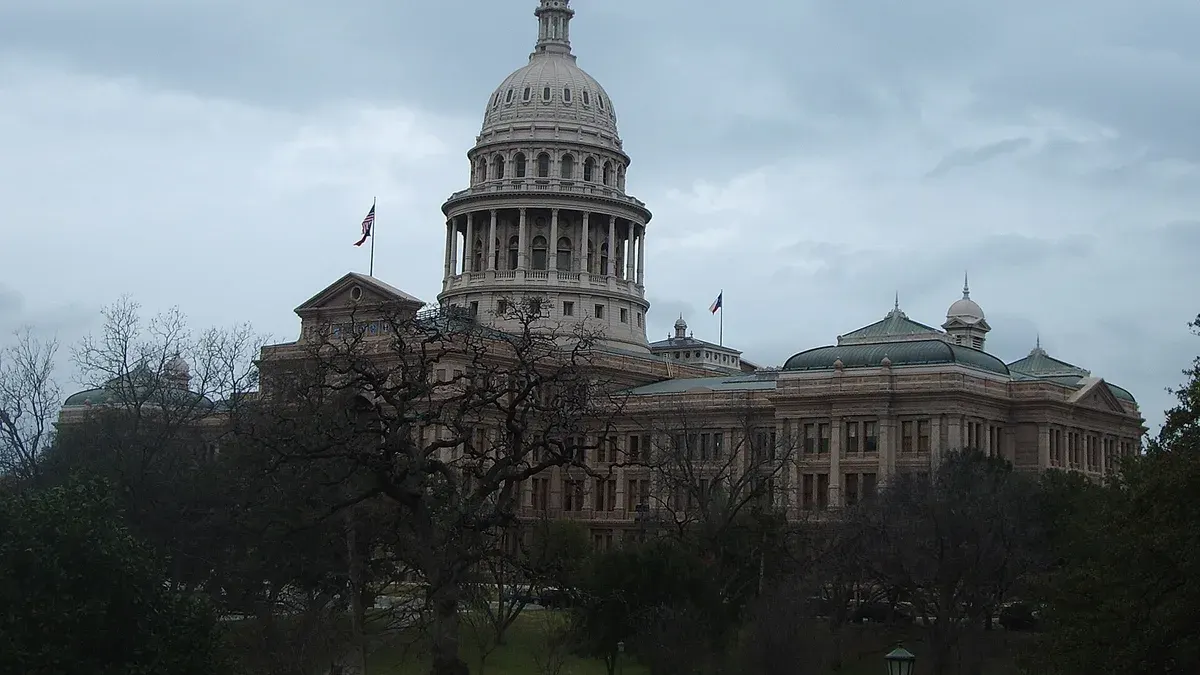
Texas is approving data-center projects again. The state's environmental regulator quietly resumed issuing permits after outgoing Governor Greg Abbott lifted the freeze he imposed in September — and developers now have roughly two months to lock in approvals before governor-elect Gina Hinojosa takes office in January, promising a moratorium of her own.
The reversal, reported by the Financial Times this week and picked up across Reddit's AI communities on Friday, ends a pause that had stalled more than 1,800 projects and 474 gigawatts of grid-connection requests. It also sets up a political sprint: every permit issued before January is one a new freeze may not be able to touch.
What happened#
In September, during the run-up to the midterm elections, Abbott announced a moratorium on data-center project approvals, saying his top priority was to protect Texans' safety and quality of life. On September 21, his office directed the Texas Commission on Environmental Quality to pause permitting while the state's grid operator, ERCOT, audited how the projects would affect local communities and the power grid.
The pause did not end with an announcement. According to the law firm Reed Smith, Abbott's office notified TCEQ on Friday, November 13 that the permitting pause had been lifted, after ERCOT finished gathering the information it needed. TCEQ told media inquiries that the agency “has resumed its normal permit review process and will evaluate applications under all applicable state and federal laws and regulations.” The notice of the pause quietly disappeared from the agency's website. The Financial Times reported the resumption on November 26, and the story spread across tech press and social media the next day.
A freeze that never quite froze#
The moratorium was porous from the start. In October, 404 Media reported that an automated system for construction-permit issuance kept running for a month after the September announcement, approving permits the freeze was supposed to stop. The permits for 17 data centers issued through that system were suspended pending an ERCOT investigation into how those centers might affect local communities. Abbott's directive to TCEQ reportedly declared that investigation complete — though it is not clear what its actual findings were.
That looseness is part of why the freeze became a campaign issue. Hinojosa, who defeated Abbott on election day, had campaigned on ending what she called “data center madness” with an immediate moratorium lasting until the legislature could put real protections in place. Her campaign website called Abbott's moratorium “a scam because [he] will likely lift it … right after the election.” That is, in effect, what happened.
The January clock#
Hinojosa does not take office until January, which leaves a two-month window for developers to get approvals before she implements her own moratorium. TCEQ has already approved several projects since the lift, the most prominent of which is SpaceX's data center in the Rio Grande Valley — a $24 billion project that includes an entire dedicated gas-fired power plant, whose 35 turbines will produce some 750 MW for the new computing facility.
The rush is rational. A permit in hand is a legal position: TCEQ issues the air permits that cover backup generators, turbines, and on-site power plants, plus the stormwater authorizations large construction sites need. Whether a January moratorium can reach permits already issued is an open question — and the legislature convenes in January alongside the gubernatorial transition, adding a second source of uncertainty.

The grid math#
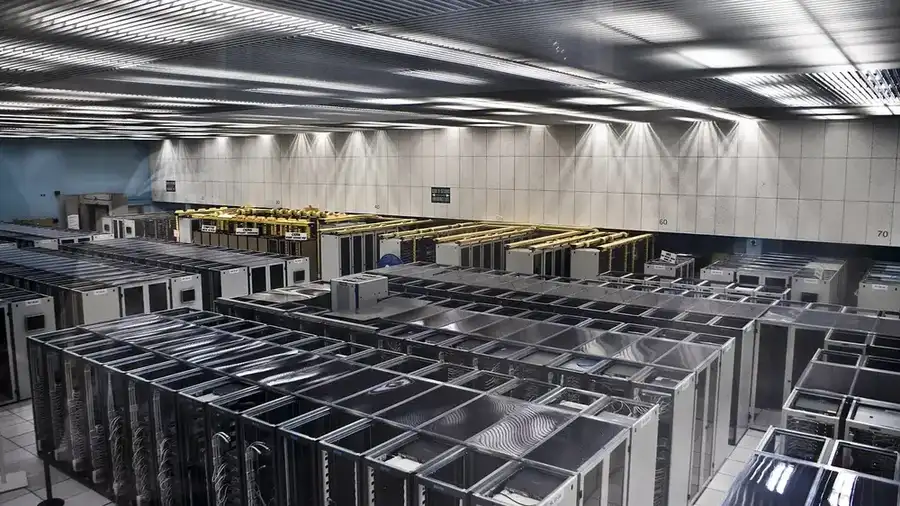
The scale of what was frozen explains why the state moved. Before the September announcement, ERCOT was already considering 474 gigawatts of grid-connected projects, with roughly 90 percent reportedly linked to data centers — more than five times Texas' historical peak load. ERCOT conditionally classified 204 of those projects, totaling about 66.4 gigawatts, as base load: a far smaller share of the broader queue, but still an enormous amount of new demand.
Two caveats matter. First, the headline figures describe requests, not construction commitments: more than 1,800 projects entered the review, but many will never be built. Second, a TCEQ permit is a legal position, not a grid connection — ERCOT's own audit of the queue runs into December, and the grid math behind 474 gigawatts of requests is still unresolved.
What to watch#
Three things decide how this plays out. First, the scope of Hinojosa's January moratorium: whether it covers all permits, including projects that already hold partial approvals, or only new ones. Second, how many of the 1,800-plus projects actually advance in the next two months versus sitting in the queue — the permits issued now are the ones that matter. And third, the SpaceX Rio Grande build, which is the largest and most visible test of whether Texas can add this much compute — and this much fossil-fueled power — without breaking the grid or the politics around it.
Sources: Gizmodo, “Texas Governor Ends Moratorium On Data Centers” (November 27, 2026); Reed Smith, “TCEQ resumes permitting data centers after Governor’s pause lifted” (November 19, 2026); Silicon Report, “Texas resumes approving permits for 1,800 data centers”; r/accelerate, “Texas lifts freeze on 1800 data center projects” (November 27, 2026)