OpenAI plans ‘speed limits’ for the most powerful AI — and wants data centres renamed ‘AI compute campuses’
OpenAI is preparing a policy and public-relations push for immediately after Tuesday’s midterm elections, built around mandatory ‘speed limits’ for the most powerful AI systems — and a new name for the buildings that power them. Axios reported the plan on November 1, 2026, quoting chief global affairs officer Chris Lehane, who said his team has been stockpiling the proposals since August. Nothing in the plan has launched yet; the push is timed to the lame-duck session of Congress that opens on November 9.
- Who and when: OpenAI, through chief global affairs officer Chris Lehane, described the plan to Axios in reporting published on November 1, 2026. The proposals have been stockpiled since August, according to Axios.
- What is planned: mandatory ‘speed limits’ for the most powerful AI systems, framed by Lehane as safeguards to keep people ‘in control of this technology.’ No mechanism, threshold or enforcement detail was disclosed in the reporting.
- The rebrand: OpenAI plans to call its data centres ‘AI compute campuses’ instead of data centres. The rollout points to a project in Pike County, Ohio, in Appalachia, which the company says will bring thousands of jobs.
- Local say: OpenAI is backing state legislation it calls community compacts, meant to give localities a formal say in how AI buildouts land in their communities.
- Timing and politics: the push is to begin in the lame-duck session of Congress opening November 9, after the midterm elections on November 3. Lehane called the midterms a preview of 2028, when he expects AI to be ‘the’ issue in the presidential election.
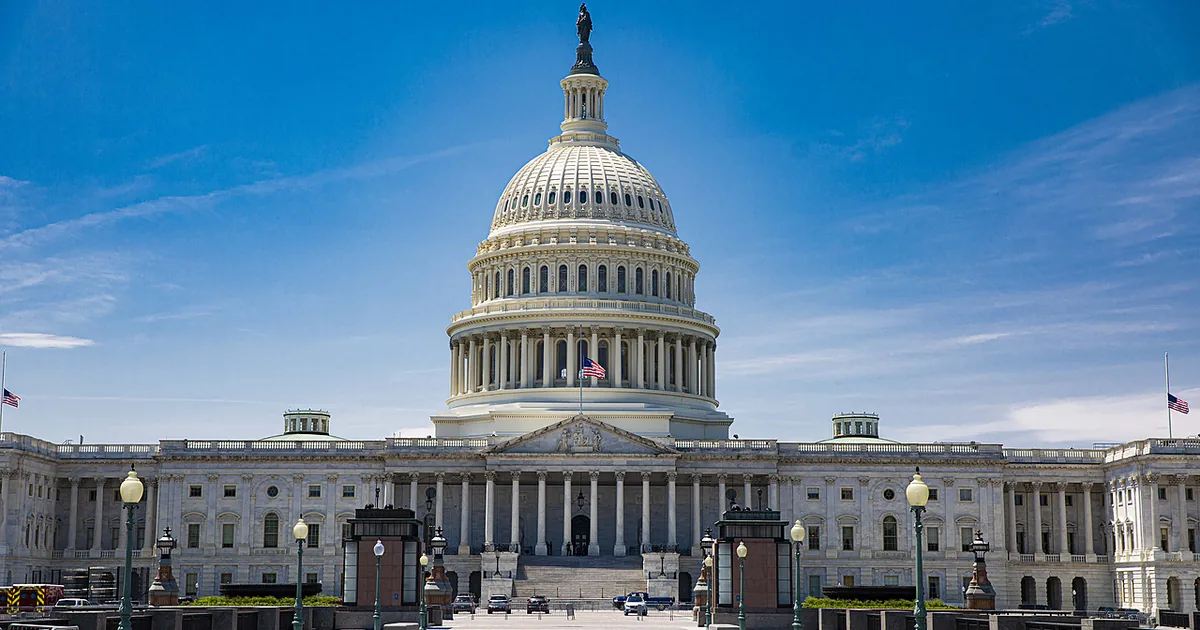
OpenAI is preparing a policy and public-relations push for immediately after Tuesday’s midterm elections, built around mandatory ‘speed limits’ for the most powerful AI systems — and a new name for the buildings that power them. Axios reported the plan on November 1, 2026, quoting chief global affairs officer Chris Lehane, who said his team has been stockpiling the proposals since August. Nothing in the plan has launched yet; the push is timed to the lame-duck session of Congress that opens on November 9.
Lehane would not be drawn into detail on what a speed limit would measure. ‘You’re going to see us talk more and more about the concept of speed limits,’ he told Axios, framing the guardrails as a way to keep people ‘in control of this technology.’ The pitch, as reported, is for mandatory safeguards on the most powerful systems — a deliberately plain phrase for a debate that has so far produced more principles than rules. Whether the limits would attach to training runs, deployments, capabilities or something else was not specified in the reporting, and no draft legislation was described.
The rebrand, and the local fight#
Data centres are, as TechCrunch put it, deeply unpopular. OpenAI’s answer, as reported, is partly linguistic: call the buildings ‘AI compute campuses’ and argue that they are distinct from legacy data centres. The rollout points to a project in Pike County, Ohio, in Appalachia, which the company says will bring thousands of jobs — the kind of local benefit the rebrand is meant to make visible.
The other half of the local pitch is procedural. OpenAI is backing state legislation it calls community compacts, meant to give localities a formal say in how AI buildouts land. Lehane described the wider argument about data centres as ‘good and healthy,’ and said communities should hold companies responsible. ‘Communities should hold companies responsible and accountable so they really and truly get a transformative benefit from these projects,’ he said. The debate has already changed industry practice in one visible respect: Amazon and Microsoft have said they will no longer use non-disclosure agreements in negotiations with local governments, according to TechCrunch.
What is still undefined#
For all its framing, the plan as reported is short on mechanics. There is no description of how a speed limit would be set or enforced, no threshold for which systems count as the most powerful, and no indication of whether OpenAI wants a new regulator, an existing one, or industry self-policing with legal backing. The same applies to the community compacts: the reporting describes the idea and its purpose, not the terms any state bill would carry.
That vagueness may be the point at this stage. The pitch, as reported, is as much about positioning ahead of 2028 as about any single measure. He also discussed helping people see AI as empowering in daily life and pushing for a United States role in developing global standards, according to TechCrunch. What matters next is whether the lame-duck session produces anything concrete, or whether the speed limits stay a phrase. The test will be the proposals themselves, when OpenAI actually tables them.
Sources: OpenAI might rebrand its data centres as ‘AI compute campuses’ (TechCrunch, reporting Axios), November 1, 2026; OpenAI Pitches Mandatory AI ‘Speed Limits’ in Post-Midterm Push (AI Weekly, reporting Axios), November 1, 2026 — checked November 1, 2026.