Opus 5.5 built a playable fishing-island game in 8 hours — and you can play it in your browser
Dan Greenheck says Claude Opus 5.5 built Tidewater — a fully playable fishing-island game with an upgrade economy and day-night cycles — in about 8 hours for $1,874 in tokens. The demo is live in a browser, and it is genuinely playable.
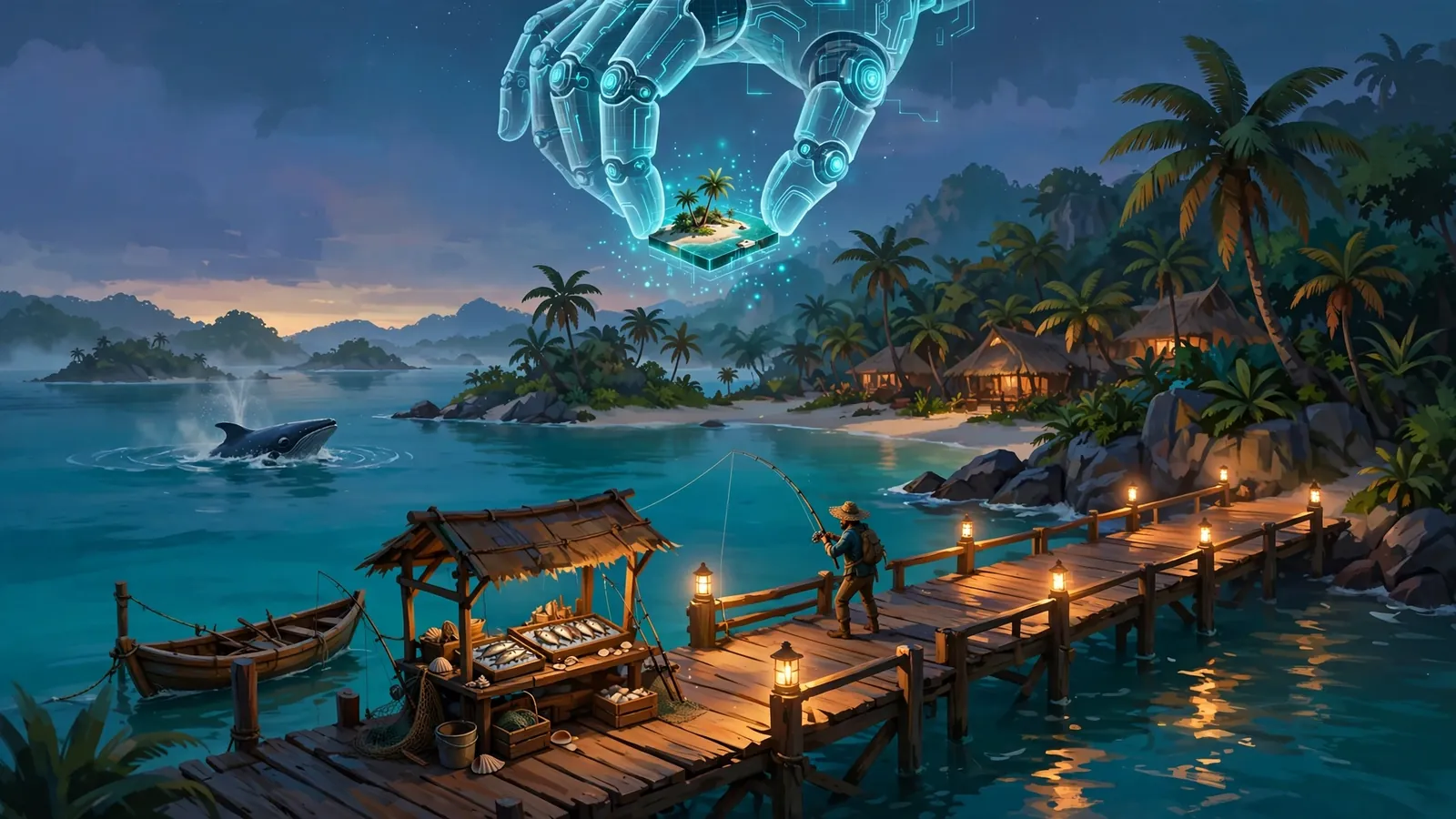
A fully playable fishing game — casting with line tension, an upgrade economy, a fish market, a boat, day and night cycles — built, according to its creator, in about eight hours with Claude Opus 5.5 and roughly $1,874 in tokens. The game is called Tidewater, it runs in your browser, and on Thursday it collected hundreds of upvotes and a long comment thread on r/singularity within hours of being posted.
The post is the latest entry in a wave of build-showcase threads washing over the AI subs this week: developers feeding Opus 5.5 loose prompts and walking away with working software. But Tidewater has something most demos don't — you can play it yourself, right now, no install. The creator, Dan Greenheck, linked the live game and a video of it in action; the thread (published September 24) sat near 800 upvotes with close to 150 comments by the time we read it.
The game: what Tidewater actually is#
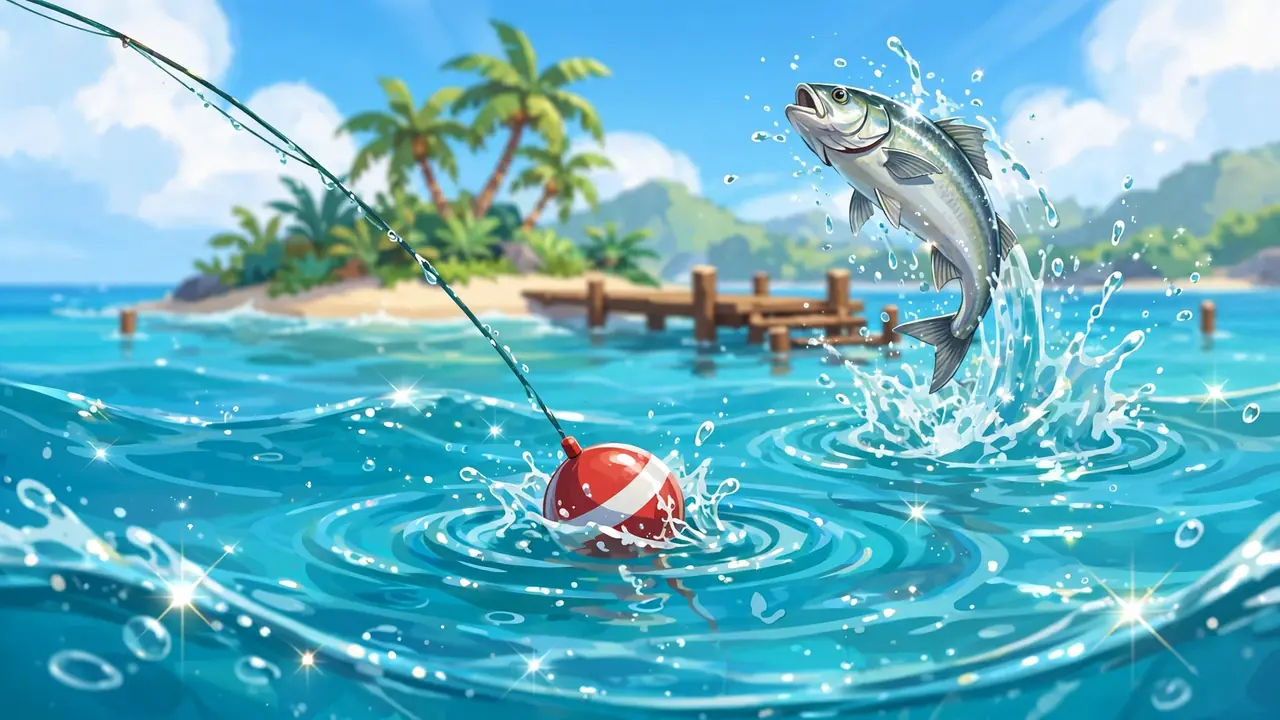
We loaded the demo, and it is not a mockup. Press R for the rod, hold the left mouse button to wind up, release to cast — the longer you hold, the farther it goes. Watch the bobber: a few nibbles, then it gets pulled under, and you click to set the hook. In a fight you hold to reel but must keep the line tension in the green; ease off when the fish runs or the line snaps.
The loop has real texture. What bites depends on where you fish — the shallows, the reef, the deep water past the drop-off — and the time of day. Joe, at the fish stand by the pier, buys your catch (bigger fish pay more). Marta, at the boathouse, sells upgrades: stronger line, a faster reel, a bigger hold, more fuel, a fish finder. Press E at the boat to board and take the helm; I opens your cooler and fish log. Buy deck lights from Marta and you can fish after dark.
The 8-hour, $1,874 build#
According to the poster, the build took about eight hours and was done largely with prompts like 'add X' and 'make it better' — iterative nudging rather than a detailed spec. The token bill came to $1,874.40, which he says consumed 59% of his weekly allowance on a Claude Max 20x plan. The feature list in the post reads like a jam-game checklist: diving birds, burrowing crabs, fish swimming alongside a whale, wind effects, dock lights at night.
Two honest caveats. The token cost and the prompt list are self-reported — we have not independently audited them, and "mostly simple prompts" almost certainly understates the skill involved in steering a model to a coherent, playable result. Eight hours of well-directed iteration from someone who knows what a game needs is still eight hours of skilled labor; the model did the typing, not the tasting.
Why it landed#
Traction matters here, and Tidewater has it: hundreds of upvotes within hours and an active comment thread put it among the fastest-moving posts across the AI subreddits today. It landed on the same day those feeds were crowded with other Opus 5.5 builds — a 3D chess roguelite on r/ClaudeAI, AI-generated videos on r/singularity — but playability is the differentiator. A screenshot asks for belief; a live link asks for five minutes, and readers spent them.
That is also the quiet news: the bar for a convincing AI build demo has moved. Post a screenshot and the comments will argue about whether it is real; post a playable build and the comments argue about the fishing mechanics. The artifact does the arguing.
What to watch#
The economics. $1,874 in tokens for a complete, playable game is pocket change next to a game studio — and a lot of money next to a weekend hobby project. Whether that price point holds as models get more efficient is the open question; Anthropic just cut Opus 5.5's price by 40% against its predecessor, and efficiency is the industry's current obsession.
The "simple prompts" claim. Expect this one to get stress-tested. Every viral "I just asked the AI and it built a game" story eventually meets someone who tries the same prompts and gets a broken fishing rod. The replicability of agentic game builds — not the virality — is what will decide whether this is a parlor trick or a production workflow.
The playability standard. The threads that win attention now ship something you can touch. Expect more builders to learn Tidewater's lesson: the demo is the documentation.