SensAI Gateway and Helm: AI security screening that reads nervous-system signals at checkpoints
SensAI Veritas launched SensAI Gateway and SensAI Helm on November 5, 2026, pairing an AI screening kiosk that reads autonomic nervous system signals through a single camera with a command platform that ties checkpoint screening, in-depth interviews, and oversight together. The pitch: spot risk indicators before trust is granted, without contact sensors — and leave the consequential decisions to humans.
- Who and when: SensAI Veritas announced SensAI Gateway and SensAI Helm on November 5, 2026; Daniel J. Molina presents them at a livestreamed virtual press conference the same day at 05:00 Miami time (10:00 UTC).
- What Gateway is: An AI-powered conversational avatar or text interface with adaptive questioning, for initial screening at security checkpoints.
- How it measures: The proprietary SensAI Core engine analyzes autonomic nervous system (ANS) responses using one standard camera — no contact, no wearable sensors.
- What it outputs: Indicators of potential deception, concealed information, and ill intent. SensAI states these are not proof of deception or wrongdoing and do not predict future behavior.
- What Helm is: A platform unifying Gateway and Interview, with centralized command and control, real-time visibility across operations, risk indicators, reporting, and audits.
- Where it is aimed: Immigration and border control, prison visitation, airport personnel access and airline crew screening, critical infrastructure, secure facilities, and workforce integrity.
- Availability: Gateway and Helm are available through SensAI and integration partners; the announcement discloses no pricing or named customers.
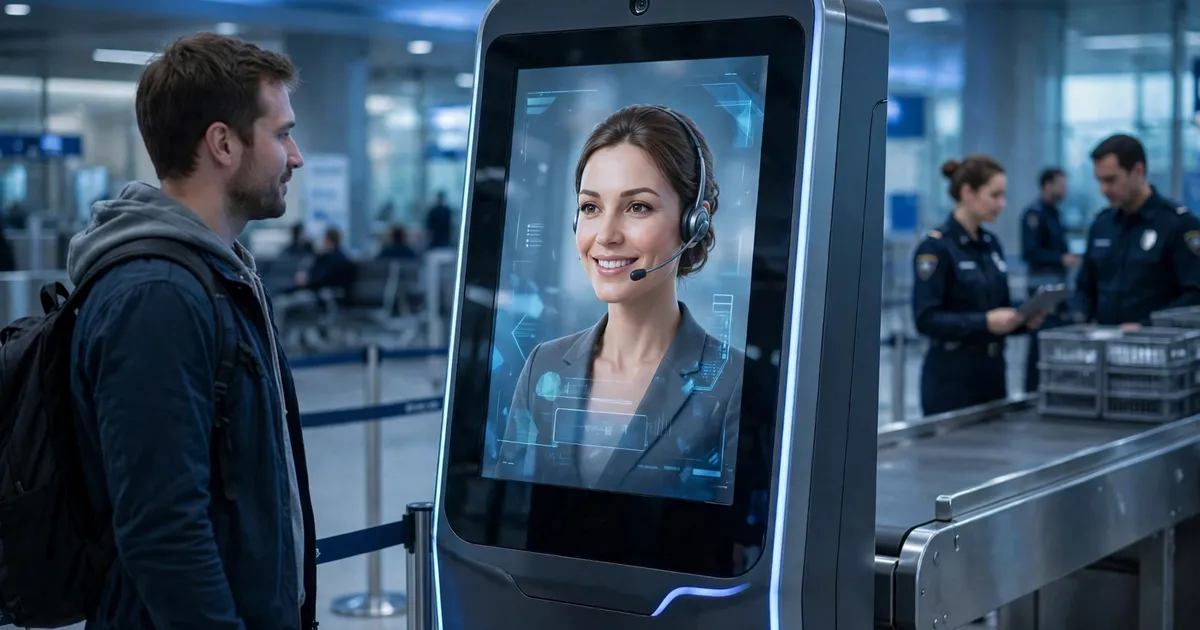
SensAI Veritas announced the launch on November 5, 2026, positioning Gateway and Helm as an integrated Integrity Intelligence platform for security checkpoints. Gateway handles the first screen; SensAI Interview, the company's existing product for investigative interviews, handles the deeper second look; Helm watches over both. The framing from chief executive Rafi Kaminer is blunt about what the system is for: security has long checked who a person is and what is already known about them, he said, while SensAI asks “what additional risk indicators we can identify right now before granting trust” — with consequential decisions staying in human hands.
That distinction is doing a lot of work here, and it is worth holding onto it. Gateway does not claim to catch liars. It produces risk indicators that feed a routing decision: routine clearance, or further assessment. The announcement itself carries the caveat in plain language — the indicators “are not proof of deception or wrongdoing, nor do they predict future behavior.”
How Gateway works: one camera, no contact
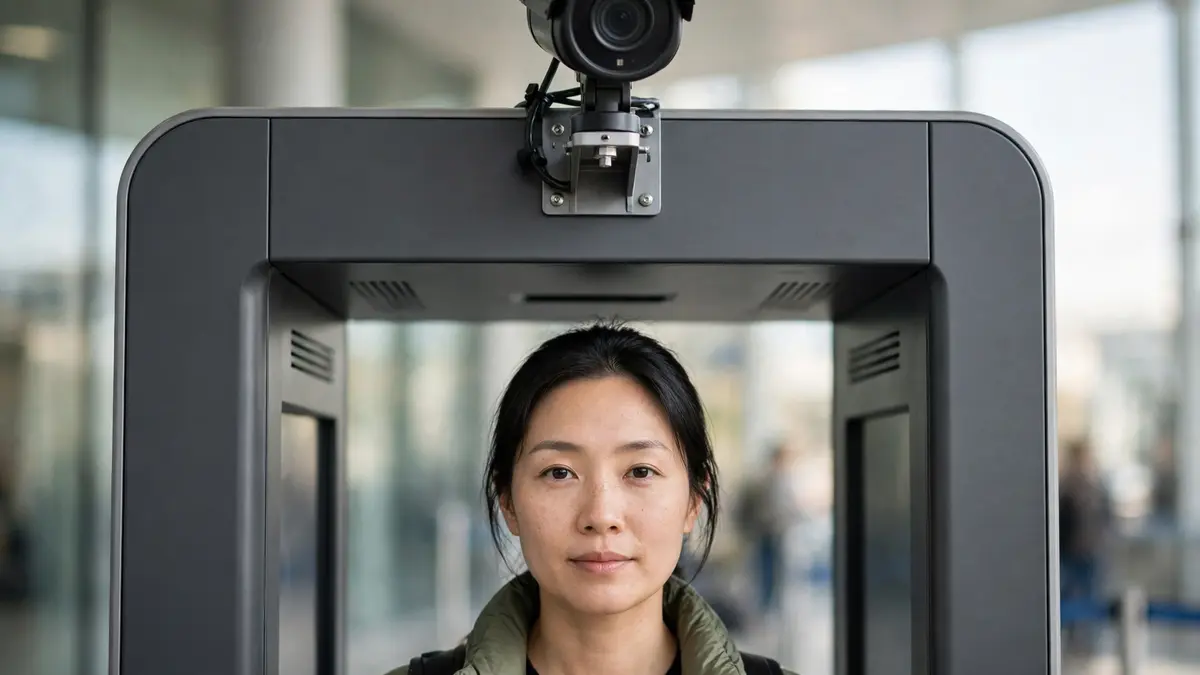
Gateway greets the person being screened with an AI-powered conversational avatar or a text interface, asking questions that adapt as the conversation goes on. While that happens, the company's proprietary SensAI Core engine analyzes autonomic nervous system responses — the involuntary signals the body gives off under stress or cognitive load — captured through one standard camera. No contact sensors, no wearables, no special hardware at the checkpoint beyond the camera.
Under rules each customer defines, Gateway routes cases two ways: routine clearance, or referral for further assessment. Officers can then use SensAI Interview for secondary screening, and they retain final authority, logging any overrides. SensAI says that analyzing each individual's own ANS-related response patterns, rather than facial expressions or voice patterns, is designed to reduce reliance on subjective behavioral cues and mitigate demographic and cultural bias — a claim about the design, not a published accuracy result. The announcement discloses no accuracy rates, validation studies, pricing, or named deployments, so those are the numbers to watch for as the product reaches real checkpoints.
What Helm does: one view over every checkpoint
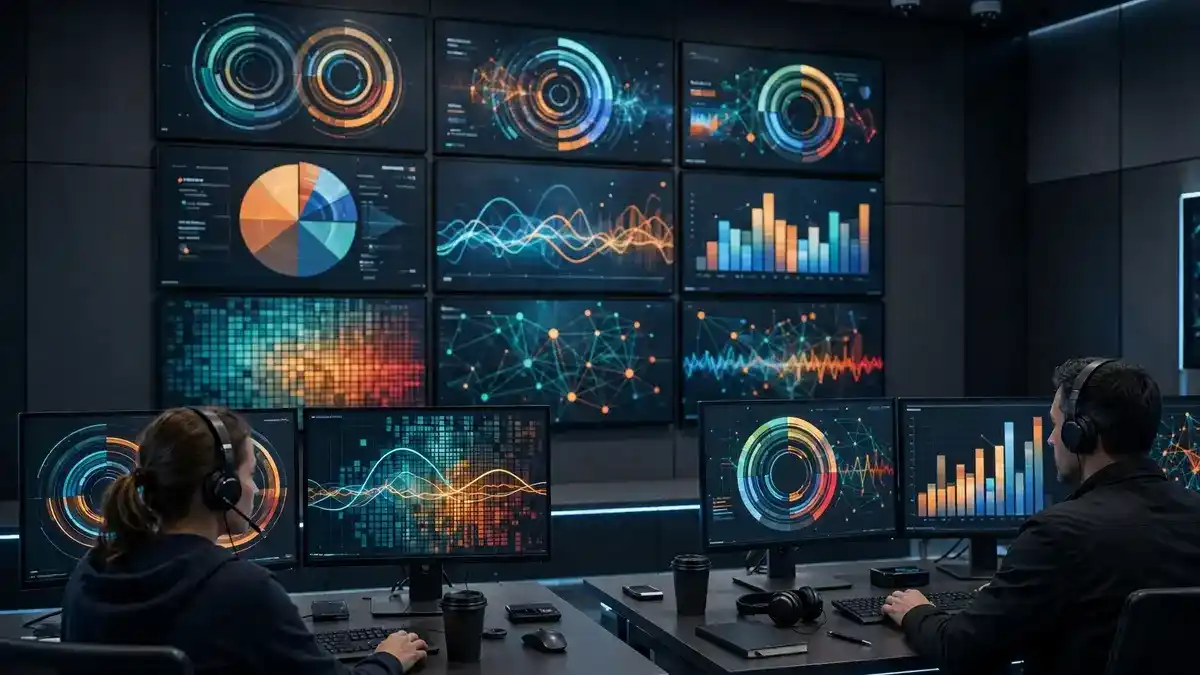
Helm is the part that turns two products into a platform. It unifies Gateway and Interview, giving security teams centralized command and control, real-time visibility across operations, risk indicators, reporting, and audits, with checkpoints, devices, and sites managed from one place. For an organization running screening across many locations — airports, borders, prisons, secure facilities — that central view is arguably the more consequential launch: a screening tool that flags risk is only as useful as the oversight around it.
The target settings named in the announcement show where SensAI expects that to matter first: immigration and border control, prison visitation, airport personnel access and airline crew screening, plus critical infrastructure, secure facilities, and workforce integrity checks. By prioritizing cases that need further assessment, the company says, the platform lets organizations focus trained personnel where they are needed most, rather than spreading them evenly across every person screened.
Why it matters, and what to watch
Checkpoint screening is a market where the technology question and the governance question are the same question. A tool that reads involuntary bodily signals at a border or an airport gate raises immediate questions about consent, error rates, and who bears the cost of a false flag — which is why SensAI's own framing leans so hard on human oversight. The product's design answers part of that: officers keep final authority, overrides are logged, and the indicators are explicitly not treated as proof.
But design is not evidence, and the announcement offers no independent validation to judge Gateway against. The honest read is that SensAI has launched a screening workflow with a clear human-in-the-loop story; whether its ANS-based indicators hold up under independent testing, and how customers actually use the routing rules, will decide whether this is a useful triage tool or another black box at the checkpoint. The same tension runs through AI security more broadly: CrowdStrike's new AI red team makes its case by re-testing after every fix, and Airship AI's DHS surveillance contracts show how quickly government security work scales once it lands. SensAI's launch belongs in that conversation — and, like Leidos's agent-governance tool, it will ultimately be judged on whether the human oversight it promises survives contact with real operations.
Gateway and Helm are available now through SensAI and integration partners, and Daniel J. Molina presents both at a livestreamed virtual press conference on November 5, 2026, at 05:00 Miami time (10:00 UTC).
Sources: SensAI Veritas's launch announcement via PR Newswire and the company's Gateway product page.
Frequently asked questions
What is SensAI Gateway?
Gateway is SensAI's screening product for security checkpoints. It uses an AI-powered conversational avatar or text interface with adaptive questioning, and its SensAI Core engine analyzes autonomic nervous system responses through one standard camera, with no contact or wearable sensors. It flags indicators of potential deception, concealed information, or ill intent to support clearance or referral decisions.
Does Gateway decide whether someone is lying?
No. SensAI states that its indicators are not proof of deception or wrongdoing and do not predict future behavior. Under customer-defined rules, Gateway routes cases for routine clearance or further assessment, and officers retain final authority and log overrides.
What does SensAI Helm add?
Helm unifies Gateway and Interview into one Integrity Intelligence platform, providing centralized command and control, real-time visibility across operations, risk indicators, reporting, and audits, with checkpoints, devices, and sites managed centrally.