South Korea adds a $3.5B frontier AI program to its sovereign model drive — and a free ‘AI for All’ service by year-end
South Korea will run its homegrown AI model program and build a separate frontier AI effort at the same time, Deputy Prime Minister and Science Minister Bae Kyung-hoon told lawmakers on Tuesday — a ₩4.7 trillion (about $3.5 billion) bet that the country can’t wait for its sovereign models to catch up.
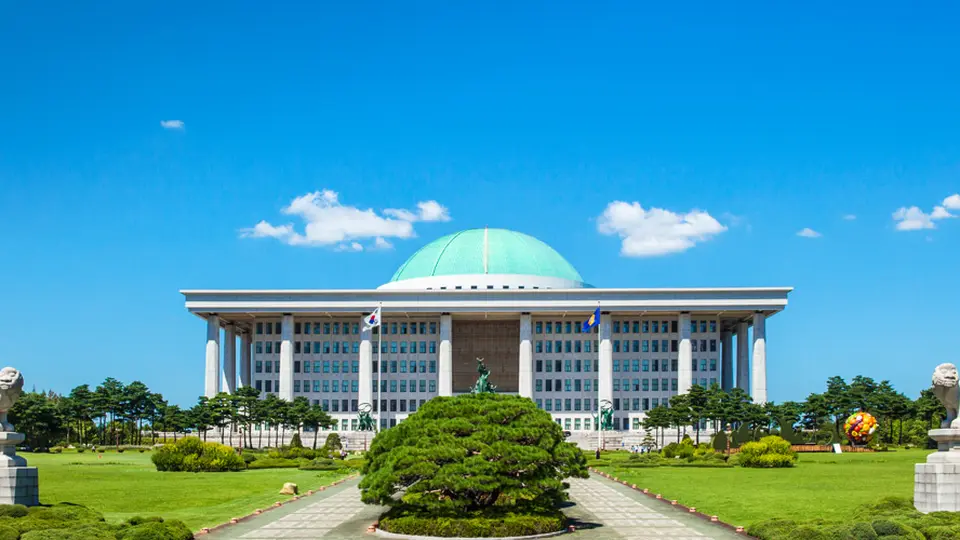
The remarks came at a parliamentary audit of the Ministry of Science and ICT, in response to questions from Rep. Park Jeong-ha of the People Power Party, and follow weeks of speculation that the sovereign model project might be scrapped. It isn’t — but the government is now explicit that it wants a second, bigger track aimed at world-leading models.
Two tracks, not one
Bae said the Sovereign AI Foundation Model Project has cleared its second evaluation and is now entering a third round. “Through the second evaluation, South Korea is cementing its standing as the world’s third-ranked AI nation,” he said — though he rated the results so far as merely midrange by global standards, with the third phase aiming for a model close to the leading open-weight systems used worldwide.
The sovereign competition, launched in June 2025 with a goal of reaching about 95 percent of the performance of the world’s top systems, has been narrowed to three teams — SK Telecom, LG AI Research Institute and Upstage — competing for the final two spots, according to the Korea JoongAng Daily’s reporting on the ministry’s Friday briefing. Under the new structure, the project is being redesigned into a frontier-model development track and an industrial-deployment track, with applications for the separate frontier program opening after the budget is finalized at the end of the year — development could begin as early as February.
The “Mythos shock”
Bae tied the new program directly to the “Mythos shock” — a reference to Anthropic’s Claude Mythos model, and a sign that Chinese and American frontier releases are resetting Seoul’s ambitions. “The sovereign model will stay on target, but we judged that a frontier AI project is additionally needed to tackle humanity’s unsolved problems and respond to cybersecurity threats,” he said, adding that current sovereign models would struggle to reach the level industry and the public sector need.
He also said the bar has risen sharply since last year, as the U.S. government’s superintelligence push sets frontier targets beyond earlier goals — which helps explain why a program designed around catching up to 95 percent of today’s frontier suddenly looks insufficient. The Elec reports that Bae had already signaled the split in late September, writing on social media that the sovereign project (“Dokpamo”) would continue while Seoul separately pursues “frontier AI” at a world-leading level: Dokpamo concentrates on models deployable in industrial environments; frontier AI aims at the highest global standards.
Mega projects and free AI
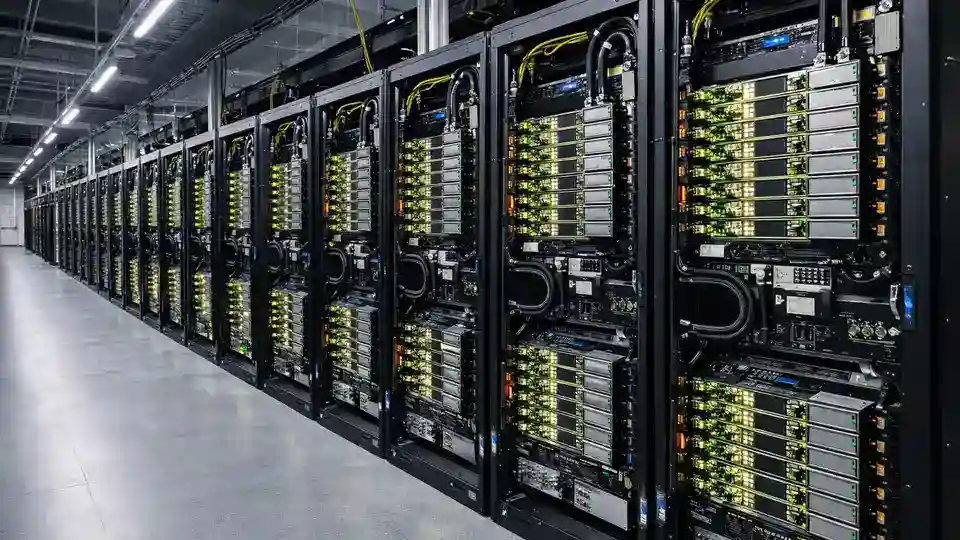
In his opening remarks, Bae named AI data centers, physical AI and semiconductors as three “mega projects” for the country — the physical infrastructure the AI ambitions sit on. Reporting on the 2027 budget proposal puts the planned spending in the same ballpark: ₩5.5937 trillion for securing top-tier AI models and technologies, including about ₩3.85 trillion for procuring roughly 10,000 GPUs and ₩800 billion for frontier AI data competitiveness, more than double this year’s allocation (Brief.news).
And one more consumer-facing pledge: an “AI for All” service, free with no usage caps, will launch by the end of the year.
Why it matters — and the caveats
The two-track model ends weeks of confusion about whether Seoul was about to kill its own national model program; it wasn’t, but the government’s framing has clearly shifted from closing the benchmark gap to building AI that industry will actually use. The frontier track is the more ambitious — and more honest — half: an admission that a “95 percent of frontier” program can’t stand alone when the frontier itself keeps moving.
The caveats are fiscal and political. The ₩4.7 trillion figure is a proposed program budget that still has to survive the National Assembly’s review — and the same parliament will scrutinize how the sovereign and frontier tracks divide the GPU and data budgets. The “world’s third-ranked AI nation” line is the minister’s claim, not an independent ranking. Still, between the two-track structure, the mega-project framing and a free national AI service promised by December, South Korea is now running one of the most explicit state-led AI plays outside the U.S. and China.