SpaceX commits $74 billion to two AI supercomputing campuses in Texas and Arizona
SpaceX plans to spend more than $74 billion on two AI supercomputing campuses — over $24 billion at Starbase in Texas and about $50 billion in Arizona — but neither site is a done deal: both face local votes on December 9.
- What: Two AI supercomputing campuses, more than $74 billion in planned investment, announced November 12, 2026 under SpaceX's "Building the Future" initiative.
- Texas: Over $24 billion at Starbase; a gas-fired power plant on 444 acres that generates its own electricity; $220 million committed to Brownsville-area water and wastewater infrastructure; construction already under way.
- Arizona: About $50 billion in Cochise County; up to 6 GW in four 1.5 GW phases; nine buildings of about 493,000 square feet each on 747 acres; dry cooling with no planned industrial groundwater use; roughly 5,500 construction jobs and 1,000 permanent roles.
- The catch: Both face decisions on December 9 — a Cochise County zoning hearing on the Arizona permit and a Starbase vote on a property-tax abatement. A petition with about 2,400 signatures asks the county to deny the Arizona permit.
- Why now: Reuters reported that SpaceX's AI segment generated more than half of the company's third-quarter revenue, and quarterly revenue nearly doubled to $14.6 billion, according to SEC filings.
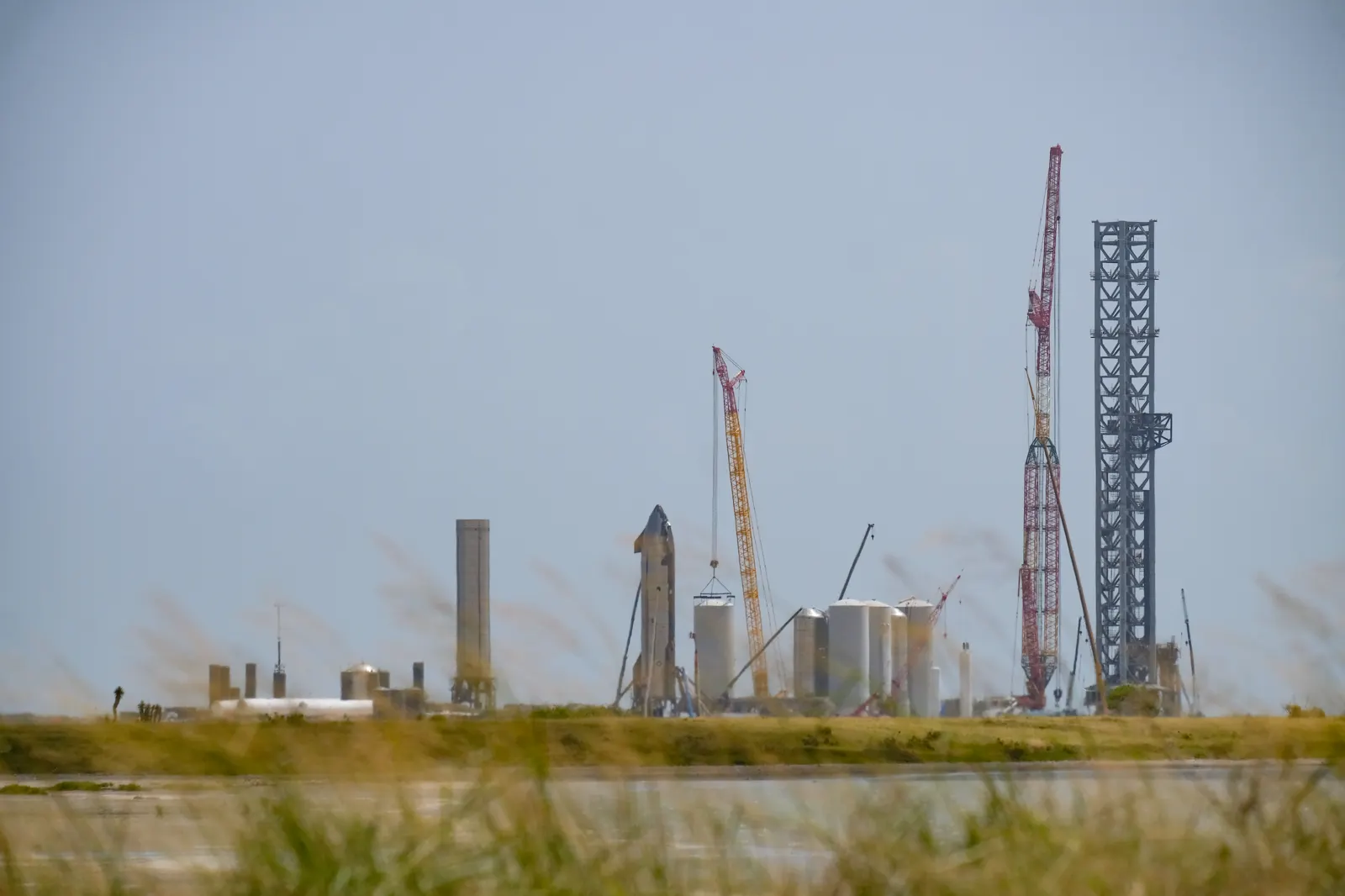
SpaceX is putting a number on its ambitions in artificial intelligence infrastructure: more than $74 billion across two supercomputing campuses, one in Texas and one in Arizona. The announcement, made on November 12 under the company's "Building the Future" initiative, is one of the largest single capital commitments to AI compute any company has made this year — and neither site is a done deal yet.
The split tells the story. Texas is the smaller, further-along bet: over $24 billion at Starbase, where work is already under way. Arizona is the bigger, earlier-stage one: about $50 billion for a campus that would draw up to 6 gigawatts, and that still needs county permission, a power deal, and a state regulator's sign-off. Neither piece arrived out of nowhere — SpaceX confirmed last week that it is behind the 6-gigawatt Arizona proposal, and a Starbase city notice had already shown a gas-fired power plant — but the combined figure, the formal plan, and the December 9 decision dates are new.
Two campuses, two very different bets#
At Starbase, in the Rio Grande Valley near the Port of Brownsville, SpaceX plans a supercomputing facility on company-owned land that would train frontier AI systems — the current generation of the largest, most capable models — for medical research, emergency response, advanced manufacturing, and national security. It would also support development and testing of future space-based computing, the company's longer-term idea of putting compute in orbit.
In Arizona, the plan is a second campus in Cochise County, on 747 acres along U.S. Highway 191 near the Willcox Playa, filed through Tombstone Resources LLC, a SpaceX affiliate. The two sites are not the same kind of project: one is an expansion of a place SpaceX already runs, the other is a new industrial footprint in a rural county that has to decide whether it wants it.
Arizona: six gigawatts in the desert#
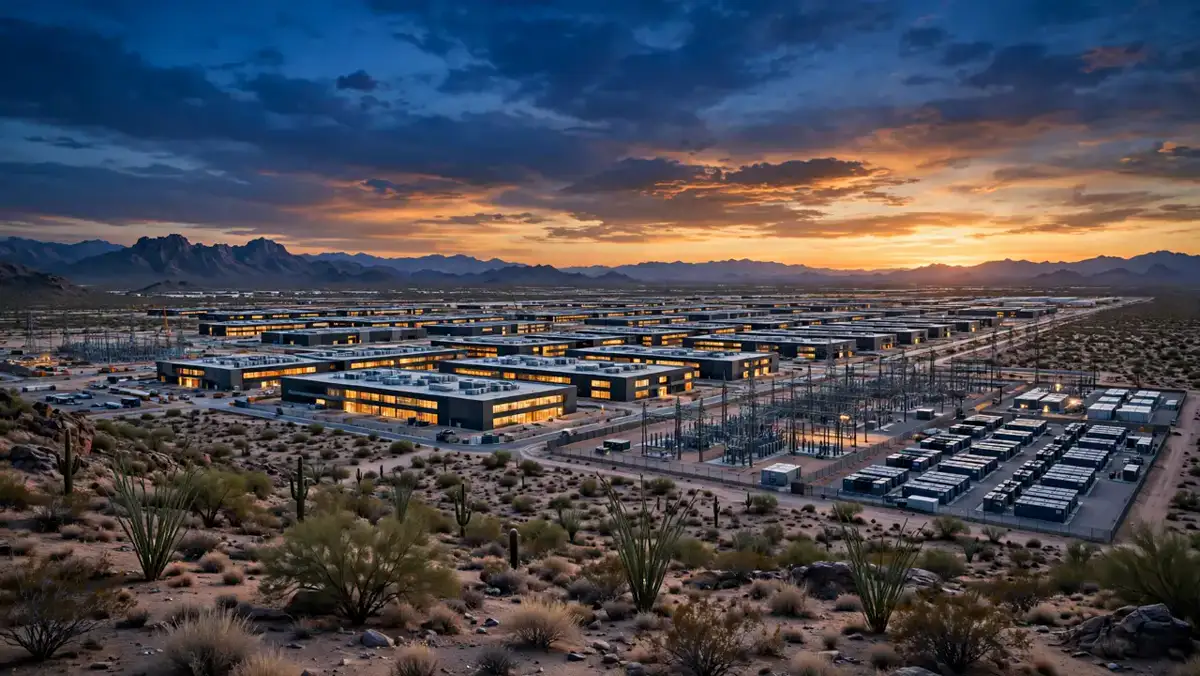
The Arizona campus is the larger half of the announcement by a wide margin, and the details show why it will be the harder one to land. At full build-out it would draw up to 6 gigawatts, built in four phases of about 1.5 gigawatts each: nine single-story compute buildings of roughly 493,000 square feet apiece, plus electrical buildings, an operations and security building, and outdoor yards for dry coolers, transformers, and battery storage.
Power would come through the local cooperatives, Sulphur Springs Valley Electric Cooperative and Arizona Electric Power Cooperative, and SpaceX says the site will use dry cooling with no planned industrial groundwater use — a deliberate answer to the question every desert data center faces first, which is water. The company estimates about 5,500 construction jobs at peak and 1,000 permanent positions, and says cooperative members' power bills could fall by up to 20% once the campus is running.
Texas: power first, grid optional#
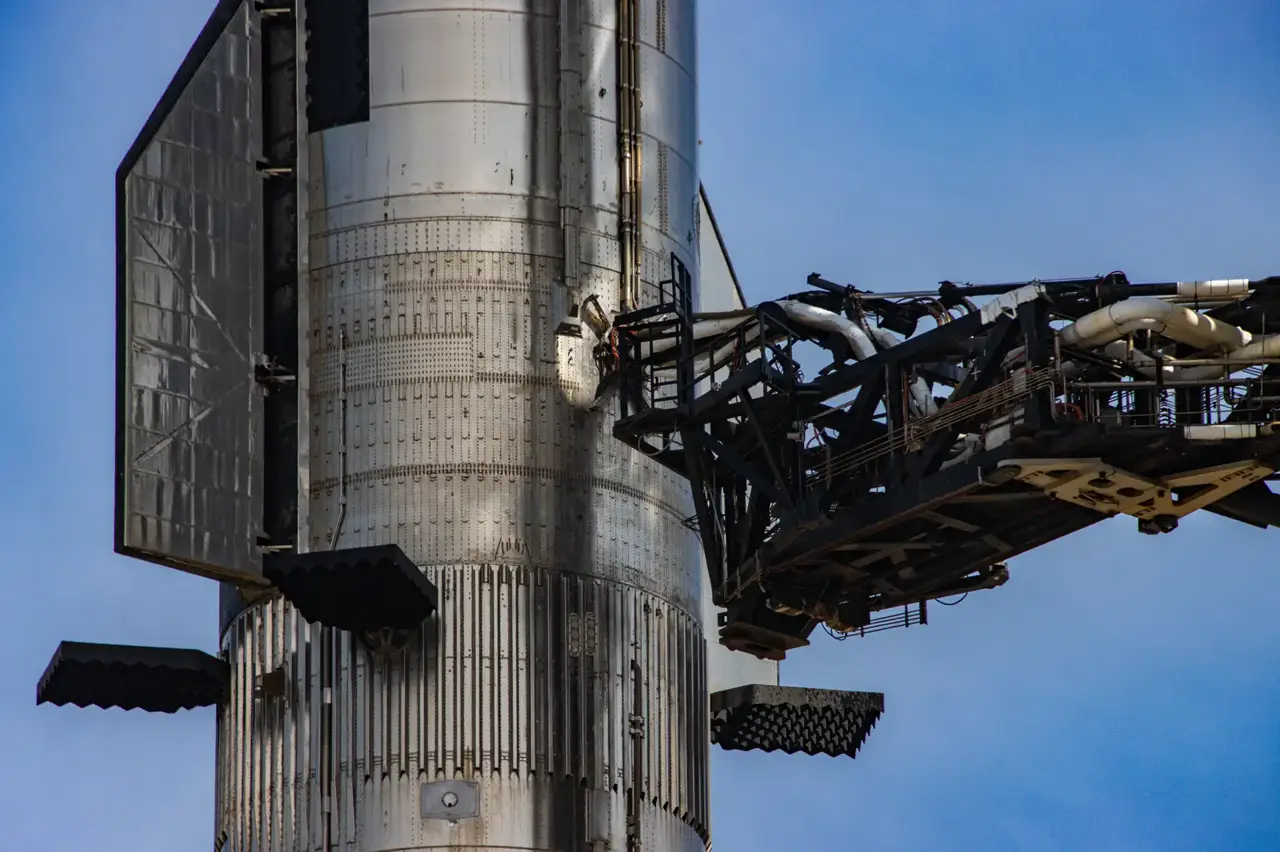
The Texas site takes the opposite approach to power: instead of negotiating with a grid, it would generate its own. A gas-fired power plant on 444 acres would supply the Starbase facility directly, rather than drawing from the Texas grid — the kind of arrangement that has become standard for the largest AI builds, where the wait for grid capacity is often longer than the build itself.
SpaceX has also committed $220 million to water and wastewater infrastructure in the Brownsville area, the local sweetener that usually accompanies a project of this size. Separate reporting indicates the Texas site has already generated more than 3,000 construction jobs and is expected to support over 500 permanent roles once operational — a reminder that this half of the announcement is already concrete, not just a rendering.
A spending plan is not a data center#
The number to keep in perspective is the $74 billion itself. It is SpaceX's own figure, and none of it is contracted capacity or revenue. The company gave no split between buildings, power, and chips, no accelerator suppliers, no network architecture, and no commissioning schedules for either campus. What it announced is an intention to spend, at a scale that would make it one of the biggest AI infrastructure bets of the year — if the spending happens.
That is where December 9 comes in. On the same day, two separate bodies will weigh in: the Cochise County Planning and Zoning Commission will hold a public hearing on the Arizona site's special use application, SU26-22, and the Starbase City Commission is due to consider a property-tax abatement for the Texas project. A petition with about 2,400 signatures asks Cochise County to deny the Arizona permit, and the Arizona power arrangement still has to clear the state regulator. Until those votes land, the $74 billion is a plan with a date attached, not a build.
Why SpaceX is building this now#
The timing is not mysterious. Reuters reported that SpaceX's AI segment generated more than half of the company's third-quarter revenue, and quarterly revenue nearly doubled to $14.6 billion in the three months to September, up from $7.8 billion in the second quarter, according to SEC filings. A company whose AI business is now its biggest revenue line needs somewhere to train its models — and renting someone else's compute at that scale is a cost, a dependency, and a bottleneck all at once.
The campuses also fit a pattern. In October, SpaceX signed a $40 billion lease for Nvidia Vera Rubin chips, the largest GPU financing yet — compute first, then the buildings to house it. Owning the power, the land, and the hardware is the vertical-integration playbook the company has run in rockets for two decades, applied now to the part of the business that is growing fastest.
What to watch#
December 9 is the first real test: the Cochise County hearing and the Starbase tax-abatement vote will show whether either community is willing to host a project of this size on SpaceX's terms. After that, watch for the Arizona power deal clearing the state regulator, for any disclosure of chip suppliers and commissioning dates — the details SpaceX left out of the announcement — and for whether the Texas build keeps its current pace. The $74 billion figure made the headlines; the permits, the power contracts, and the purchase orders will decide whether it becomes two campuses or stays a press release.
Sources: MLQ — SpaceX plans more than $74 billion of AI supercomputing campuses in Texas and Arizona (Nov. 12, 2026, reporting Reuters and the Wall Street Journal); Unite.AI — SpaceX Unveils Two AI Supercomputing Campus Plans in Texas and Arizona (Nov. 12, 2026); Converge Digest — SpaceX Unveils $74B Data Center Push in Texas and Arizona (Nov. 12, 2026); SOTKN — SpaceX pledges $74B for two AI campuses that face votes on 9 December (Nov. 12, 2026); ABC Money — SpaceX confirms $74bn data centre investment in Texas, Arizona (Nov. 2026). Prior coverage: SpaceX signs a $40B Apollo lease for Nvidia Vera Rubin chips.