“This Was the Pinnacle of AI Coding” — the 14-second video that shows how far models have come
A 14-second clip of a ball bouncing inside a spinning hexagon was the state of the art in AI coding under two years ago. A new Reddit post revisiting the demo — and Grok's famous failure — drew hundreds of upvotes as the community marveled at how far models have come.
 ▶
▶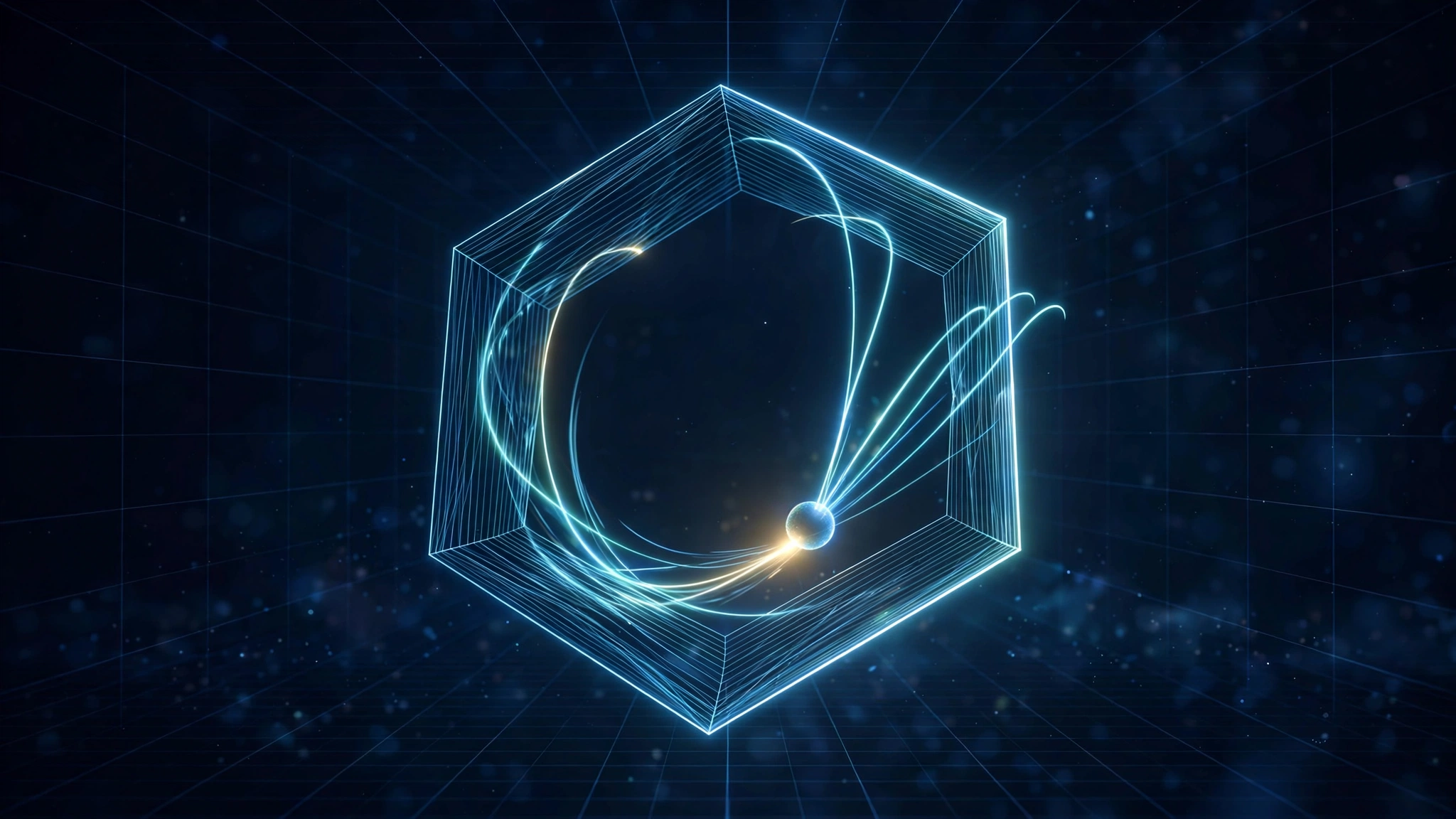
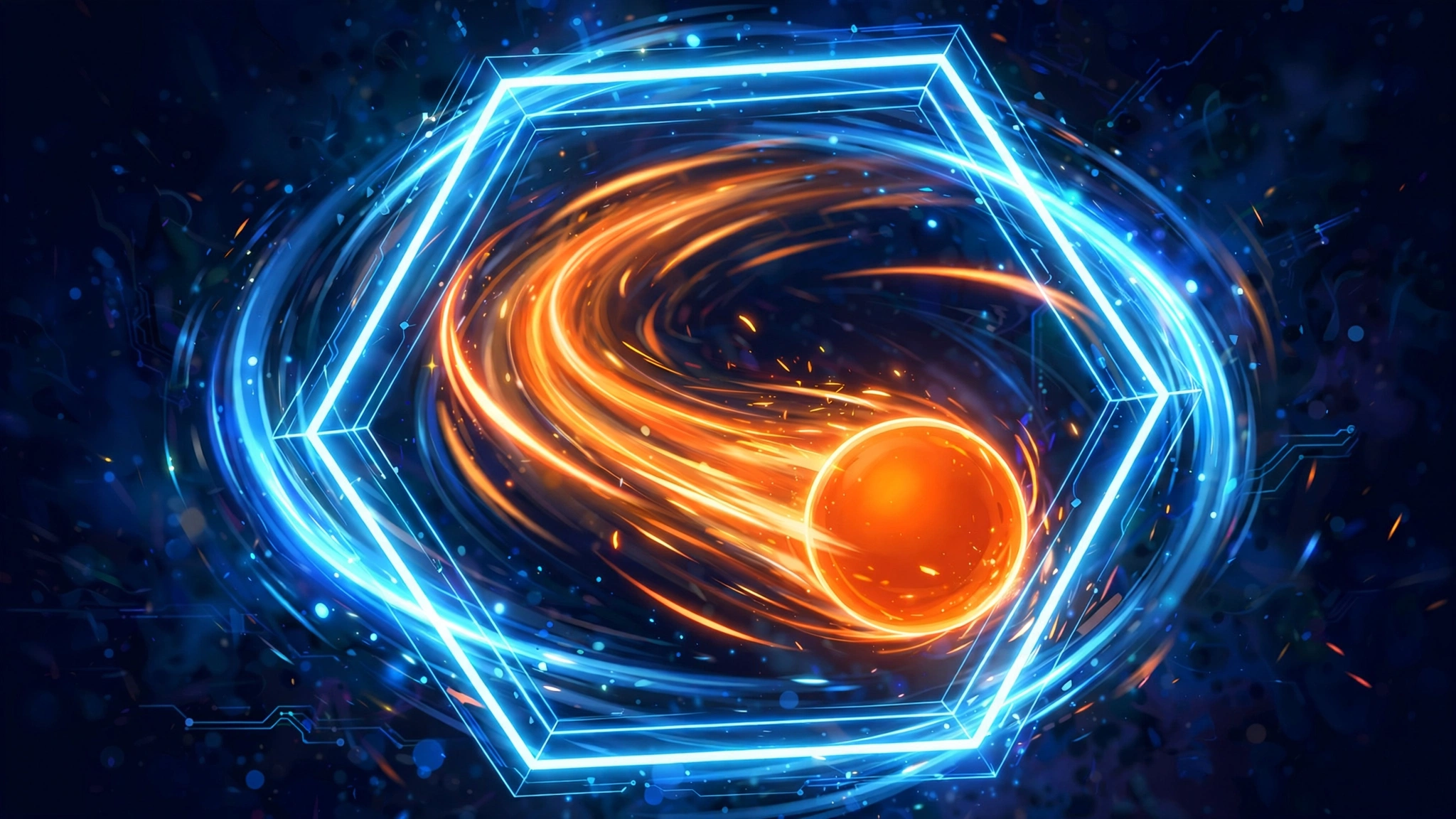
Under two years ago, this was the state of the art in AI coding: a ball bouncing inside a spinning hexagon, captured in fourteen seconds of video. It left the community stunned.
Now a post on r/accelerate has brought the clip back — and it took off. Posted Friday afternoon by u/ResultBackground2450, the 14-second Reddit-hosted video pulled in more than 540 upvotes and dozens of comments, with the community treating the once-miraculous demo like a fossil. The post's title says it all: "This Was the Pinnacle of AI Coding Less Than 2 Years Ago."
The clip that broke brains#
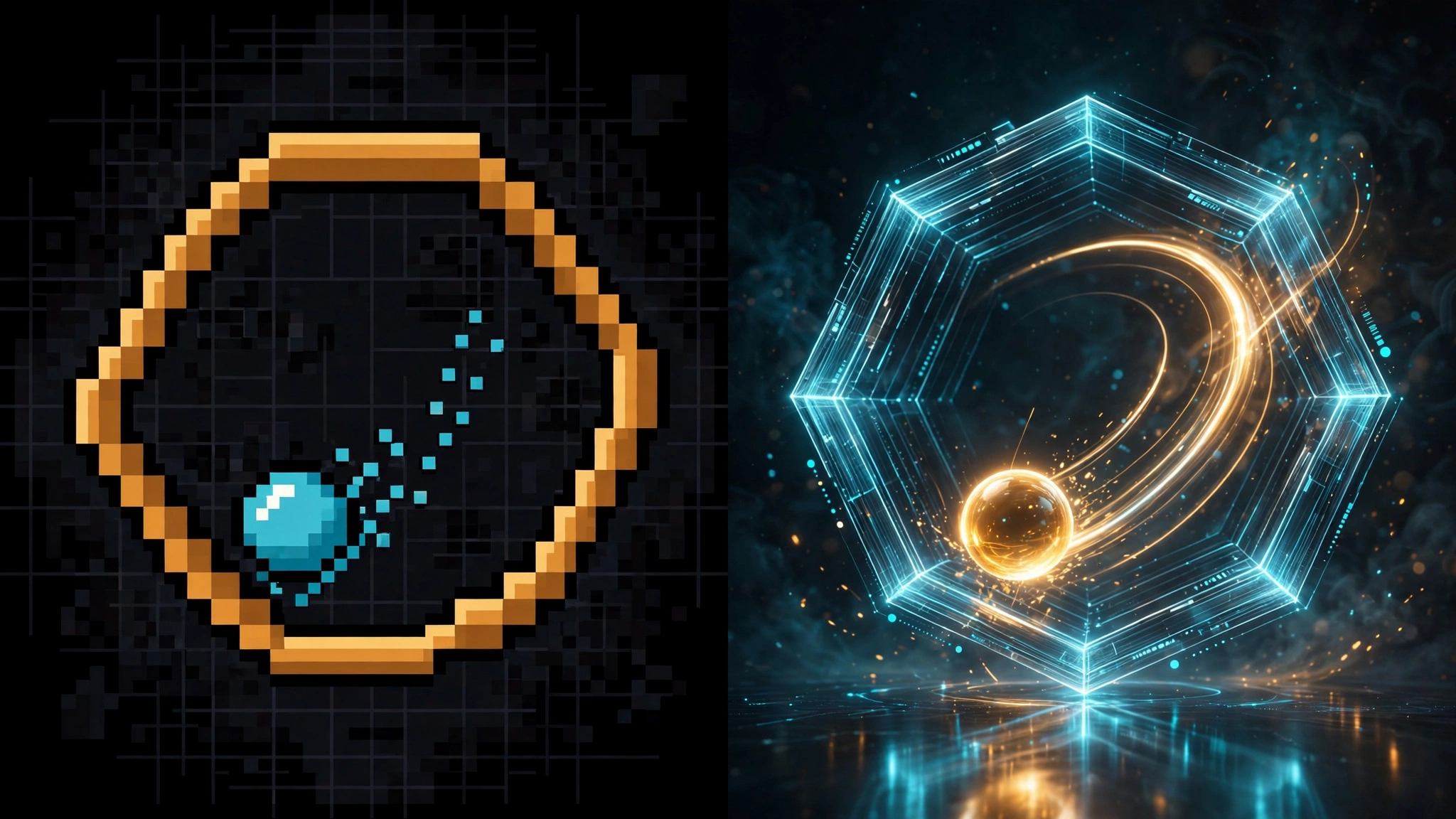
The demo is the classic AI-coding benchmark of the Sonnet 3.5 era: describe a ball bouncing inside a rotating hexagon and ask the model to write a program that actually simulates the physics. The resurfaced video pairs that vintage demo with a newer attempt — Grok's, which spins the hexagon beautifully and then drops the ball entirely.
At the time, the impressive part was never the geometry. As one commenter puts it, the spinning was trivial — getting the ball physics right was roughly 98% of the coding difficulty. Generating working collision handling, momentum, and gravity from a vague natural-language description was the marvel; another commenter remembers being openly impressed when the clip first made the rounds, and marvels that Sonnet effectively recreated gravity.
The community verdict#
The thread's tone is affectionate nostalgia mixed with disbelief at the pace of change. The top comment, from u/Kraien, sums up the mood: "I remember being impressed by this very clearly." In the same breath, the comments are already re-running the experiment mentally. One essay-length reply argues the real point was never the hexagon at all — it was that the model wrote a complete computer program from a vague description of what needed to happen, in minutes, in dozens of languages. What changed isn't the demo; it's the ceiling.
And then there's Grok's version. One top comment jokes that Grok simply didn't care — though, as another commenter points out, it still spun the hexagon perfectly. It just dropped the ball. Even the failure modes have become community lore.
What models do with the same prompt now#
The sharpest moment in the thread comes when a commenter asks the obvious question: what does the same exercise look like today? One reply says Opus 5.5 on its highest effort setting took over an hour on the task — and links a live page showing the result, complete with an "Escape" mode the model added entirely on its own. The original poster followed up with a video reply generated by what they called "Astra Max."
The yardstick has moved from "can it get the physics right in a few minutes" to "what will it build if you give it an hour." It's the same arc we've covered elsewhere: Opus 5.5 recently built a playable fishing-island game in eight hours and coded a five-minute SNES boss battle in pure code, while r/ClaudeAI's galloping-horse benchmark showed how much today's output depends on the effort tier you dial in.
Why this demo refuses to die#
The hexagon-ball test has stuck around for a reason: it's visual, it's instantly checkable, and physics is hard to fake. You can see in one glance whether the ball behaves — no leaderboard required, no benchmark gaming possible. Informal community tests like this one have become a genuine counterweight to official evals: they're fast, they're adversarial, and the community remembers the old ones, which makes progress legible in a way that scores rarely are.
What to watch: whether the community's informal benchmarks keep evolving faster than the labs' official ones — and whether the next beloved test looks anything like a bouncing ball. Two years ago, fourteen seconds of gravity simulation was the pinnacle. Nobody in that thread seems to think the next pinnacle will stand still for long.