Zero coding experience, one year, and Claude: a first-time developer built a Mongol-invasion ARPG headed to Steam
A developer with zero coding experience spent a year building a Mongol-invasion action game with Claude Opus and Fable. The trailer hit r/ClaudeAI on Friday, and the top comment says it all: most people's first game is a Pong clone.
- The video: a Reddit-hosted 1:02 trailer posted by u/Ok-Pirate5732 on r/ClaudeAI, Friday, November 27, 2026 at 11:54 a.m. ET — about 367 upvotes and 64 comments by Friday evening.
- The game: 100 Bodies in the Grass — a wave-based, four-player co-op defense game set in Đại Việt in 1287, mixing roguelike runs, tower and hero defense, and action-RPG combat, with four heroes and militia allies across three acts ending at the Battle of Bach Dang.
- The build: started at the beginning of 2026 with zero game-development or coding experience and a full-time job; Claude Opus with Fable iterated on the code, with manual debugging by the developer; art via Meshy and Poly Pizza, characters and animations from free asset packs, mountains hand-sculpted in Godot's Terrain3D.
- The status: Steam page live with a demo; Early Access planned for the first quarter of 2027, six to nine months, Act I plus an endless-wave mode. Not released yet.
- The caveat: AI did not design the game — per the developer, Claude was not used for balance, map layout, or mechanics; Steam's AI disclosure says generative tools made many visual assets and some audio, all reviewed and edited by the developers, and nothing is generated by AI during gameplay.
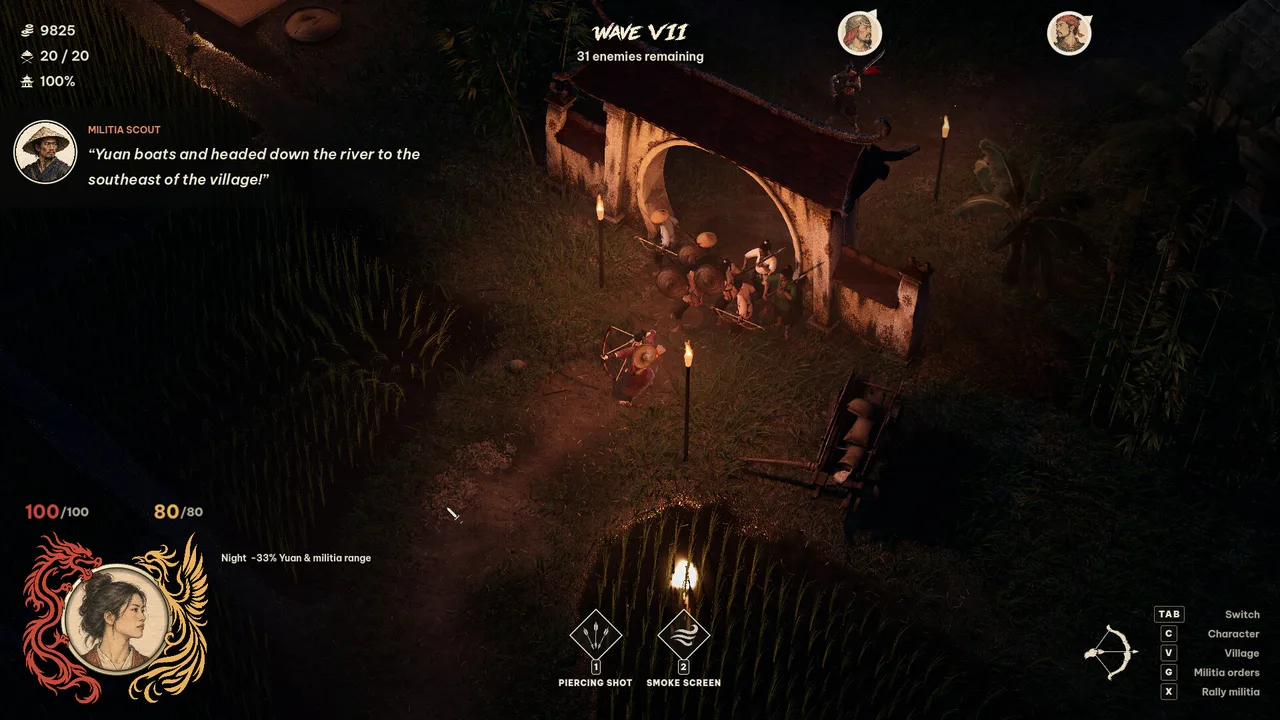
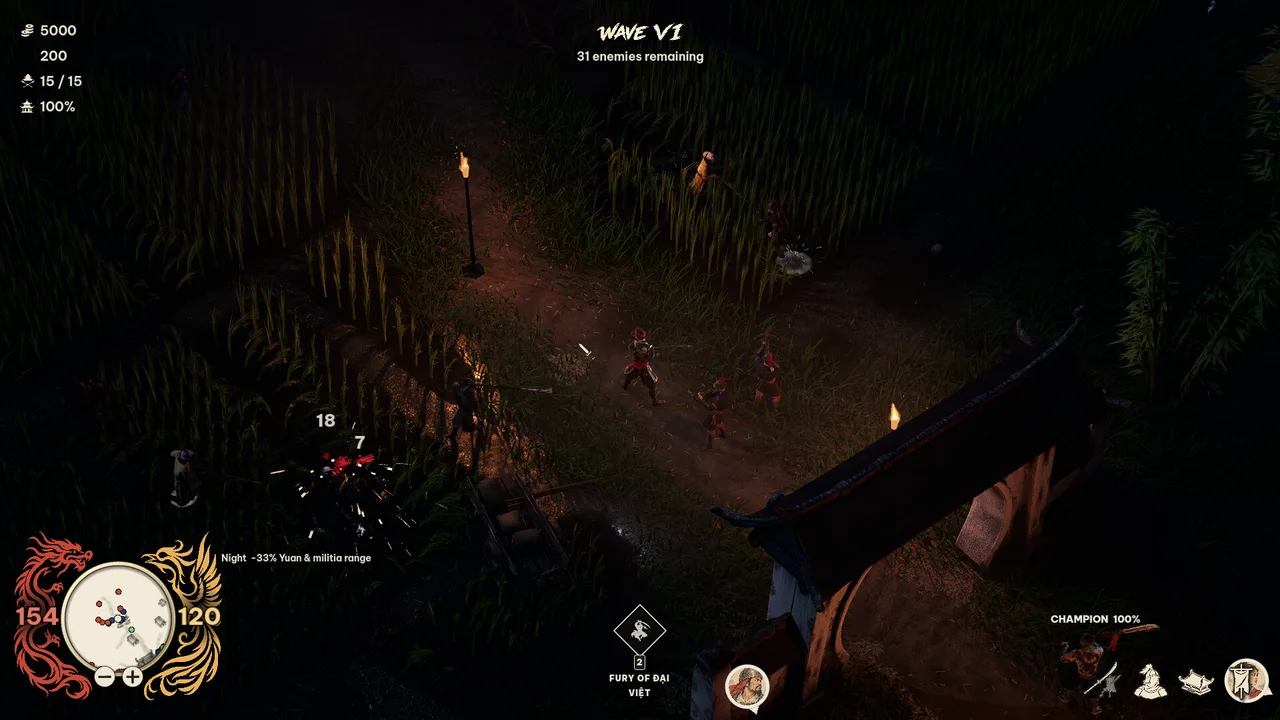
The post landed on r/ClaudeAI just before noon on Friday, and by the evening it had become one of the subreddit's most-upvoted videos of the day: a one-minute trailer for a game about the Third Mongol Invasion of Vietnam, built by a developer who had never written a line of code before this year. The post had drawn about 367 upvotes and 64 comments, and the thread's top comment — 84 upvotes — said what everyone was thinking: most people's first game is a Pong clone; this one is the Third Mongol Invasion of Vietnam, with a Steam page.
The game is 100 Bodies in the Grass, and the story behind it is the point. The developer, posting as u/Ok-Pirate5732, started the project at the beginning of the year with no experience in game development or coding, alongside a full-time job. What began as a piece of fiction about the 1287 invasion became, over twelve months, a working game — and the trailer is the first time most of the internet has seen it move.
A year, a full-time job, and zero experience#
The pitch is unusual before any AI enters the picture. The game is set in Đại Việt in 1287, as the Mongolian Yuan dynasty sends close to 200,000 soldiers across the border. The player holds defensive positions through a three-act campaign that ends at the Battle of Bach Dang, commanding militia allies and four playable heroes. The title comes from a vow attributed to the Vietnamese commander Trần Hưng Đạo, who told his officers in 1284 that he would rather die than submit — the Steam page quotes the vow as the game's namesake.
The developer's own account is strikingly matter-of-fact about the year it took. The project started from curiosity — could an AI assistant actually help make a game? — and grew into a full production: a Steam page, a demo, and a planned Early Access launch in the first quarter of 2027. The trailer's polish is what made the post travel; the backstory is what made people stay in the comments.
What Claude actually did — and what it didn't#
The division of labor is the most useful part of the post, because the developer spells it out. Claude Opus, paired with Fable, iterated on the game's code — mostly Opus, after the developer tried the other models — with manual debugging on the developer's side. The art came from Meshy and Poly Pizza, mostly the former; characters and animations are free asset packs found online, cleaned up where needed; music and sound effects are free assets too. The mountain scenes, notably, were sculpted by hand with Godot's Terrain3D plugin.
That honesty is also what defused the thread's sharpest criticism. One commenter dismissed the wave of AI-made games as slop, with ridiculous mechanics and no thought given to balance. The developer's answer was direct: fair for the one-prompt, one-shot games, but AI was not used for balance, the map layout, or the mechanics here — and the track record for early AI games is not good, so it is on the developers to prove otherwise. The comment sits at minus 3; the thread's moderator summary notes the pushback was downvoted heavily.
The Steam page backs the account up. Its AI-content disclosure says generative tools were used to create many of the visual assets and a handful of audio assets, all reviewed, edited, and iterated on by the developers to match the game's style — and that no content is generated by AI during gameplay. Games built with Claude keep surfacing on Reddit — a viral three.js evolution clip drew the same mix of awe and skepticism this morning — but few of them arrive with this much of the work itemized in public.
The game itself#
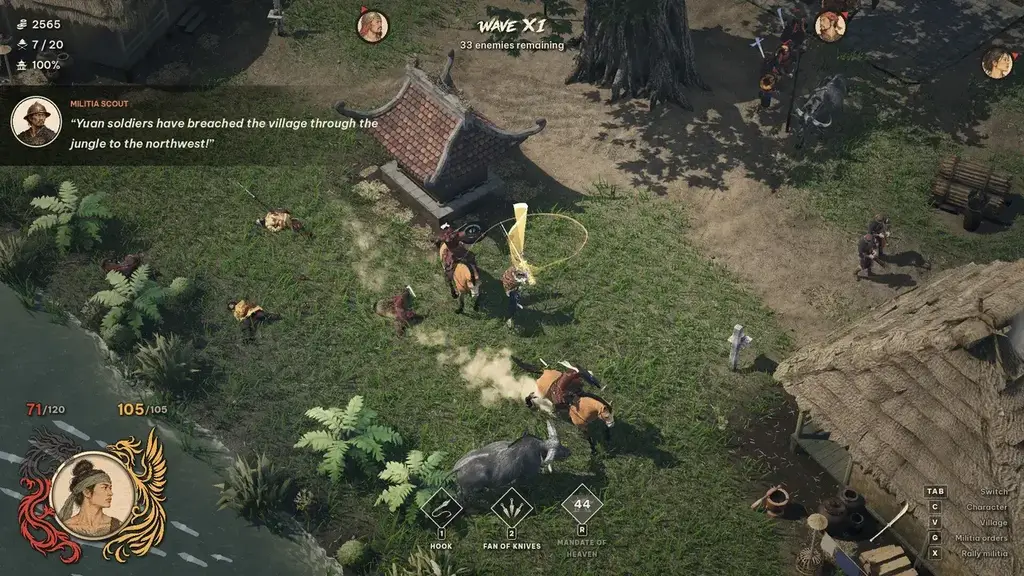
On paper, the game is a wave-based, four-player cooperative defense game that blends roguelike runs, tower and hero defense, and action-RPG combat. Players hold positions — a northern village, a mountain monastery, and finally the Bach Dang river — raising bamboo palisades, towers, and spike pits, and training local farmers into a militia. More than a dozen enemy types and bosses bring the Yuan army to the rice fields, and procedurally generated villages and waves mean each run plays out differently. An endless-wave mode ranks players against each other.
It is not finished, and the developer does not pretend otherwise. The Steam page lists Early Access at six to nine months, with Act I and the endless-wave mode first and the full three-act campaign to follow. A demo is already available. What the trailer shows — isometric combat in jungle and mountain terrain, soldiers marching through tall grass, a hero cutting through waves at a village gate — is the state of a game still being built in public.
What Reddit made of it#
The thread's mood is unusually warm for a showcase post, and the comments explain why. The second-most-upvoted comment put it plainly: when a game has this much obvious love poured into it, whether Claude helped matters less. Another commenter called it “Path of Exile Vietnam.” Asked whether it plays like a real-time strategy game or a role-playing game, the developer answered that it is probably an action roguelike, with ARPG combat and orders issued to militia allies while the player controls a single hero.
The most interesting exchange is about what this kind of tooling unlocks. Asked what happens when everyone can build a game, the developer said it should allow more experimentation with unexplored themes, historical eras, and regions — most historically grounded games, they noted, stick to medieval Europe, ancient Rome, or feudal Japan. A 13th-century Vietnamese defense, built by someone with no coding background, is the argument made playable.
What to watch#
The honest test comes next: the demo. Early Access is planned for the first quarter of 2027, and the gap between a one-minute trailer and a game people return to is where most AI-assisted projects stall. Watch whether the demo converts the thread's goodwill into players, and whether the full three-act campaign survives contact with them. The broader signal is already visible: the tools have lowered the floor for who can start a game — the ceiling is still set by the year of work after that.
Sources: r/ClaudeAI, “Started messing around out of curiosity. Now I am consumed with this project and it's starting to slowly come together” (u/Ok-Pirate5732, November 27, 2026); Steam, “100 Bodies in the Grass” (app 5357660; Early Access planned Q1 2027, demo available); AI Frontier Post, “Opus 4.6 vs Opus 5.5: the viral three.js before-and-after Reddit says is cherry-picked” (November 27, 2026)