RUMOR: A Life of Pi animation has Reddit asking whether Claude is quietly testing Opus 5.6
A 66-second procedural Life of Pi animation built with Claude Code has r/ClaudeAI wondering whether its author was silently routed to the unreleased Opus 5.6. The thread's verdict: probably just a very good Opus 5.5 day — but the routing question underneath the rumor is real.
- The post: r/ClaudeAI, u/secretsocietea, November 25, 2026, 2:04 PM EST — 381 upvotes, 71 comments. Reddit-hosted video, 1:06, music only.
- The claim: unverified — the author says he used Opus 5.5 on medium ultracode and "can't judge" whether he was routed to 5.6.
- The cost: about $575–700 in API-rate terms, plus about 79% of the author's weekly Claude Max quota (account-wide, per the author).
- The verdict: top commenters say it is achievable in 5.5, crediting low Thanksgiving-week compute; one commenter suggests it looks like Gemini Neon.
- The wider issue: users want Anthropic to log which model served each request when routing can change silently.

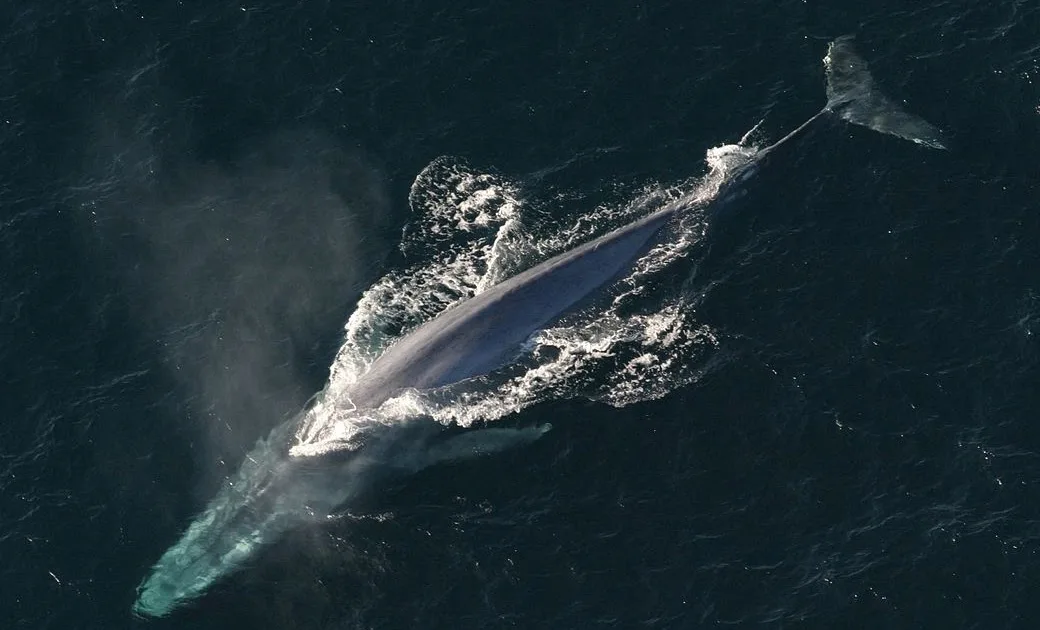
A whale, a boy, and a lifeboat under a moonlit sky — and a question the Claude community cannot stop asking: did the model that made this even exist yet? The 66-second clip, posted to r/ClaudeAI on Wednesday afternoon, is a procedural Life of Pi scene the author says he built with Opus 5.5 in Claude Code. The quality was so far above his own previous attempts that he put his suspicion in the title: had he been silently routed to the unreleased Opus 5.6?
It is a good question, and the thread's answer is more interesting than the rumor itself. The top commenters are mostly unconvinced — not because the animation is ordinary, but because they think the current model is capable of it. The most-upvoted reply calls the animation amazing and immediately asks for the workflow. The next most-upvoted doubts the routing theory outright, saying the result is achievable in 5.5. Others credit the calendar: Thanksgiving week means low traffic, and low traffic can mean more compute per request. One commenter even suggests the clip looks more like Gemini Neon than any Claude model.
The clip#
The video itself is 66 seconds of music-only animation, hosted on Reddit. A starry night sky and a full moon hang over a dark ocean; a small lifeboat drifts on the water while a procedural whale and a human figure — Pi — move through the scene. There is no dialogue and no narration. What makes it notable is not the plot, which is minimal, but the construction: the whale, the boat, the sea, and the waves are all procedural models generated as code, not filmed or hand-animated frame by frame.
The author, posting as u/secretsocietea, says he had made this kind of animation before but had never gotten output like this. That gap — same user, same tools, suddenly much better output — is the entire basis of the rumor. It is also, on its own, weak evidence. Model outputs vary run to run, prompts improve, and a holiday week changes the load on shared systems. The author knows this: in his own replies he says he cannot judge whether it was 5.5 or 5.6.
How it was made#
When commenters asked for the workflow, the author laid it out in four steps: ask the model to generate a procedural whale, generate the boat and sea in a separate file, generate the waves in a third file, then import everything into one file and render it in Blender. The model, he says, was Opus 5.5 on medium ultracode — the setting he selected, not necessarily the model that ran.
The price of the experiment is part of the story too. The author says the animation has cost about $575–700 in API-rate terms so far, and about 79% of his weekly Claude Max plan quota — though that quota figure is account-wide, so it covers his other work that week as well, not just this animation. That is a lot of compute for 66 seconds of video, and it hints at why the output looks the way it does: this was not one lucky prompt, but a long, expensive, iterative session.

Reddit's verdict: a very good Opus 5.5 day#
The thread did try to settle the question empirically, and the attempt is instructive. One commenter suggested asking the model a question only a newer model would know — where a public figure worked after a certain date — without letting it search the web. The author posted a screenshot of the answer, and other commenters immediately spotted the flaw: the model had searched the web, which defeats the purpose of the test. The automated moderator summary that calls the model "confirmed" as Opus 5.5 rests on that same flawed test, so the confirmation is not clean evidence either way.
What the thread does establish is the shape of the disagreement. A lone dissenter says his own recent tests also feel unreal, and that the Opus 5.5 he used before does not feel like the same model. Everyone else lands in the same place: extraordinary output, ordinary explanation. A related thread in r/accelerate, dated November 24, argues Opus 5.6 is likely being tested now — but "likely being tested" and "silently serving random users" are different claims, and neither has been confirmed by Anthropic.
Why the rumor caught on#
The rumor spread because it touches a real grievance. If a system can swap models behind the scenes, users argue, it should say which model ran and why. One commenter put it plainly: opaque routing is the problem, and a log of the model behind each response would end the guessing. That is a reasonable ask on its own, and it does not depend on whether this particular animation came from 5.6.
There is also a pattern here worth naming. This blog has covered several recent cases where Claude's output outran what users expected — a transformer whose weights Claude wrote by hand, with no training, and a claimed proof that VP ≠ VNP, posted before any human had checked it. Each time, the community splits between amazement and skepticism, and each time the real story is narrower than the headline: impressive work, unverified claims, and a model whose capabilities are hard to pin down from the outside.
What to watch#
Anthropic has not announced Opus 5.6, confirmed a test, or said anything about silent routing — so until it does, the routing claim stays a rumor. The useful signal to watch for is not another impressive animation, but an official word: a model announcement, a changelog entry, or any statement on whether Claude Code sessions can be served by unreleased models. The second thing to watch is whether Anthropic answers the transparency ask and starts showing users which model actually served their request. That would settle arguments like this one before they start — and it would make the next genuinely surprising output easier to believe.
Sources: r/ClaudeAI, “Did I get routed to Opus 5.6?” (u/secretsocietea, November 25, 2026). All quotes and figures in this article are drawn from that thread; the routing claim is unverified and Anthropic has not confirmed an Opus 5.6.