Blue TTS v3 promises 50x real-time speech on a plain CPU — its own repo's numbers top out at 38x
“Nobody recorded this sentence. We just typed it.” That is the opening line of a 62-second video posted to r/LocalLLaMA on Tuesday afternoon — and it is also the whole pitch for Blue TTS v3, an open-source text-to-speech model that runs entirely on your own machine. No GPU, no cloud, no studio. The video's synthetic voices deliver the script themselves; the demonstration is the product. By Wednesday midday the post had gathered 333 upvotes and 72 comments, and the thread did what r/LocalLLaMA does best: it took the headline number apart.
- The post: r/LocalLLaMA, Tuesday November 17, 2:29 p.m. EST, u/WeatherZealousideal5; 333 upvotes and 72 comments when checked Wednesday midday; flair: Resources.
- The release: Blue TTS v3, version 3.0.1; MIT license; 388 MB; 44.1 kHz output; seven languages — English, German, Spanish, Italian, Russian, Hebrew, Yiddish; 15 stock voices. GitHub: github.com/maxmelichov/BlueTTS, 163 stars.
- The claim: 50x real-time on a CPU, MOS 4.43 out of 5. The repo's own table: 38x at best (Apple M5, reduced quality); 14–18x on a Ryzen 9 7950X.
- The demo: live at huggingface.co/spaces/notmax123/BlueV3; it downloads the roughly 390 MB model into your browser before it can generate anything.
- The video: 62 seconds, Reddit-hosted; every voice in it was typed, not recorded — including a closing Yiddish sample.
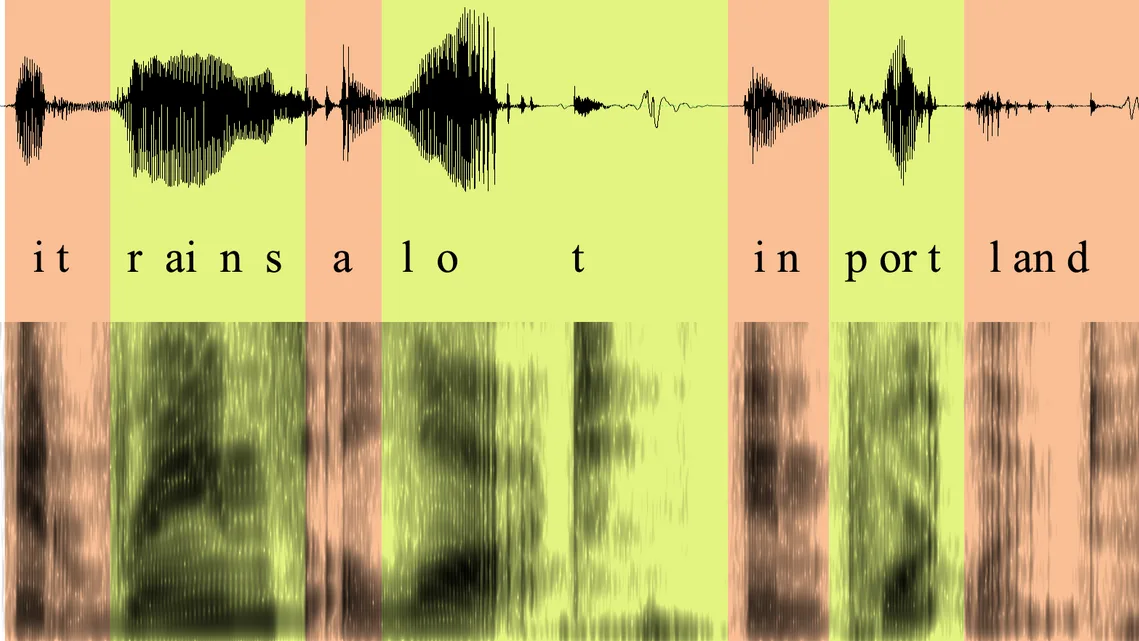
The clip is short and the idea is simple: type a sentence, hear a voice say it, on hardware you already own. Blue TTS v3 is the third version of a small open-source speech model, and the launch post's case for it fits in one paragraph — more natural speech than version 2, better voice cloning, 50 times faster than real time on a CPU, no GPU needed. The code is MIT-licensed, the weights are on Hugging Face in ONNX and PyTorch forms, and a browser demo runs the model on your own device. For a field where the best voices still mostly live behind APIs and GPU bills, a 388 MB model that runs on a laptop is a proposition people notice.
What the video actually shows#
Sixty-two seconds, and not a single human voice anywhere in it. The synthetic voices walk through the pitch themselves — local, fast, private, seven languages — switching between speakers and ending on a Yiddish sample over a blue waveform, before the BlueTTS logo closes the clip. It is a promo, not a benchmark: nothing in the video is timed or measured. What it does prove is narrower and still worth something — that the model can produce varied, intelligible speech across languages, in voices that sound like people rather than a robot reading a weather report. That is the part nobody in the thread disputed.
What v3 actually is#
The release itself checks out. The GitHub repository is public, MIT-licensed, and actively maintained — the 3.0.1 release went up two days before the Reddit post, and the latest commit landed hours before the thread was read. The model ships with 15 stock voices, takes about 10 seconds of clean speech as a cloning reference, and, according to the README, copies a voice's timbre and pitch level rather than its delivery. It also exposes a chunked streaming API, so playback can start after the first audio chunk instead of waiting for a whole utterance — an answer, from the documentation rather than the developer, to a question several commenters asked. One honest limit is stated up front in the same README: there is no emotion or style control.
The 50x claim, checked against the repo's own numbers#
This is where the thread earns its keep. The post's headline figure — 50x real-time on a CPU — is above every number in the project's own speed table. The README's fastest CPU figure is 38x, measured on an Apple M5 at reduced quality; at full quality the same chip manages 22–23x, and a Ryzen 9 7950X manages 14–18x. The most pointed comment in the thread, from u/slowtractor, asked the obvious question — which CPU, and is that one thread or all of them? — and the developer never answered it. He made exactly one reply in the whole thread, to fix a broken demo link.
The commenters who ran the numbers themselves landed in the same ballpark as the README rather than the headline. One measured 32.5x for one-shot voice cloning on an M4, against 10.5x for Pocket TTS and 3.3x for Qwen3 TTS on the same machine — fast enough to call 50x plausible for plain generation, but still short of it. Another reported only 1.3x through the browser demo, though the thread worked out that this likely says more about the browser runtime and the roughly 390 MB first download than about the model. The 4.43-out-of-5 MOS figure has the same problem: the README's published scores use DNSMOS, not MOS, and no 4.43 appears in them. None of this makes the model slow — by every measurement in the thread it is genuinely fast — but the launch post's two headline numbers are unverified by the project's own documentation.
What the community liked — and what it flagged#
The reception was warm with footnotes. The top skeptical comment, with 33 upvotes, said the stock voices sound like they were recorded “in a leaky bathroom” — reverb baked into the audio — and the replies split between a technical explanation (reverb in the training data helps the model learn, and a dereverb step can clean the output) and first-hand reports that cloning from your own clip sounds normal. Others found long sentences choppy, and one commenter who tested cloning on both GPU and CPU called it the best voice-cloning quality they had seen in this size range. The Russian-language support drew the most unqualified praise: one user reported it running on a low-power Intel N100 chip and called it the first CPU speech model in Russian that sounds almost natural to them. The language list itself drew comment — Hebrew and Yiddish made the cut, Arabic did not — though the replies mostly treated that as the developer's own priorities. And the top comment of all, with 42 upvotes, was a practical suggestion rather than praise: a ggml-style implementation to make the model easier to deploy across backends.
What to watch#
Three things will settle the argument. First, whether the developer publishes the setup behind the 50x figure — the chip, the thread count, the quality setting — or quietly revises the claim to match the README. Second, whether the rough edges the thread found get sanded down: the reverb in the stock voices, the choppy long sentences, the slow first run of the browser demo. And third, whether the language list grows — Portuguese, spoken by 300 million people, was the most-requested addition. The video is still worth a minute of your time — just read the README before you quote the numbers in it.
Sources: r/LocalLLaMA — Blue TTS v3 launch post (November 17, 2026); GitHub — maxmelichov/BlueTTS (accessed November 18, 2026); Hugging Face — BlueV3 demo (accessed November 18, 2026); bluetts.com. Vote and comment counts were read from the Reddit post page around midday on November 18, 2026.