General Compute raises $100M at an $800M valuation — for a non-Nvidia inference cloud
General Compute announced a $100 million Series A on October 27, 2026, co-led by Blackbird Ventures and Abstract Ventures, valuing the inference-focused neocloud at $800 million post-money — up from $60 million after its May seed round — on the back of a $100 million annual-recurring-revenue customer deal.
- Who: General Compute, co-founded by CEO Finn Puklowski, a bare-metal neocloud for AI inference.
- What: a $100 million Series A, co-led by Blackbird Ventures and Abstract Ventures, with participation from Fuse Venture Partners, Village Global and others.
- Valuation: $800 million post-money, up from $60 million after a May 2026 seed round.
- Anchor deal: a large customer deal worth $100 million in annual recurring revenue, which TechCrunch reports paved the way for the round; the customer is not named.
- Hardware: GPUs and purpose-built inference chips from Cerebras, SambaNova and Positron AI, plus a previously announced $400 million debt facility from Upper90.
- When: announced October 27, 2026; first major deployments go live in the first quarter of 2027, with more than 50 MW of capacity in the pipeline and 75 MW expected to be deployed in 2027.

General Compute has raised $100 million in Series A funding to build an inference cloud out of chips that are not made by Nvidia. The company announced the round on October 27, 2026, co-led by Blackbird Ventures and Abstract Ventures, with participation from Fuse Venture Partners, Village Global and others. TechCrunch reports the round values the company at $800 million post-money — a sharp step up from the $60 million valuation it carried after a seed round in May.
That jump did not come from a pitch deck alone. According to TechCrunch, a deal with a large customer worth $100 million in annual recurring revenue paved the way for the round. The customer is not named, which is the first thing to keep in mind about the headline: the revenue anchor is real in the reporting, but it cannot be independently checked from the outside.
What General Compute sells#
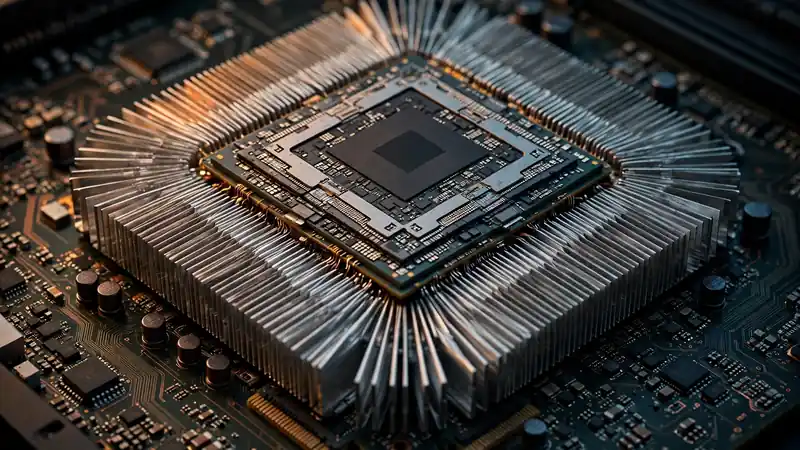
General Compute finances, deploys and operates GPUs and purpose-built inference chips from Cerebras, SambaNova and Positron AI, matching each workload to the hardware that runs it best. Customers get dedicated bare metal — raw servers with no software layered on top — or a guaranteed tokens-per-second service level, without having to buy or manage the infrastructure themselves.
The pitch is speed per dollar at inference time, not training. While most of the industry chased graphics processors for training ever-larger models, General Compute focused on chips built specifically to run models fast and cheaply once they are already trained. Its key customers, TechCrunch reports, are cloud companies that offer developers high-speed inference; General Compute supplies the bare metal underneath their offerings.
The numbers behind the round#
Two earlier financing facts frame the Series A. The company says the round builds on a previously announced $400 million debt facility from Upper90. TechCrunch separately describes a $400 million deal to purchase chips from SambaNova as the first debt financing of inference chips, and says Positron and Cerebras have since been added to its supplier portfolio. The two $400 million figures describe different sides of the same financing strategy — debt raised, and chips bought with it — and should not be added together.
On capacity, the company says its first major deployments go live in the first quarter of 2027, with more than 50 MW of capacity in the pipeline. Chief executive Finn Puklowski told TechCrunch he expects the company to deploy 75 megawatts of computing capacity in 2027 and suspects it will have access to 200 megawatts of power — “more than we can probably fund and get hardware for.”
A bet against the neocloud gloom#
The timing is deliberately contrarian. CoreWeave, the publicly traded neocloud that rents out computing power for AI, has seen its stock fall to a 12-month low, and Elon Musk has predicted that more than 200 neoclouds face death and consolidation. Puklowski is unfazed: fears of a chip-led collapse are “massively overstated,” he told TechCrunch, adding, “I have people calling me up every single week asking me to do TPUs, GPUs, any chip, to get them more compute.” He also said Anthropic’s recent S-1 filing is “settling fears for today.”
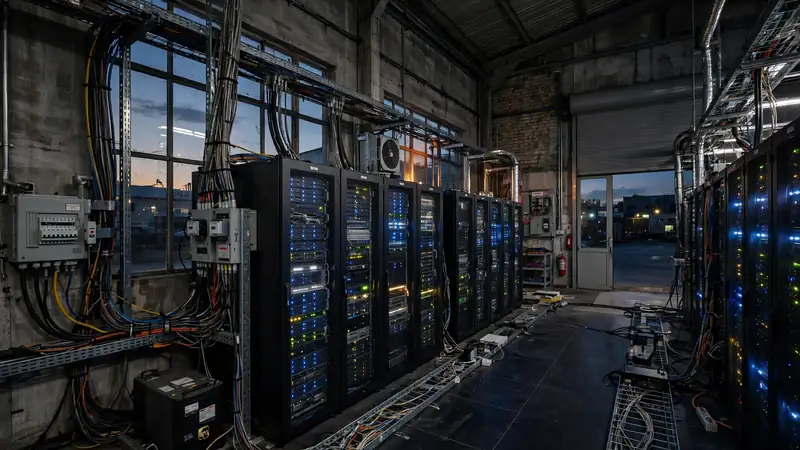
General Compute’s answer to the gloom is physical, not financial. Instead of building huge data centers from scratch, it rents space inside other companies’ data centers, uses smaller power sources, and converts former bitcoin-mining sites into places that run AI models. When it has chips, Puklowski argues, it will have somewhere to plug them in — without the years-long build-out that traps larger rivals.
What to watch#
Three things will decide whether this round ages well. First, whether the unnamed $100 million customer expands beyond its initial deal — a single anchor is a foundation, not a business. Second, whether the alternative-chip bet holds as Cerebras, SambaNova and Positron scale production; as SambaNova chief executive Rodrigo Liang put it to TechCrunch, “Everyone in this market is selling speed. The real question is whether you can make money doing it.” Third, whether General Compute can keep financing its build-out: Puklowski told TechCrunch that “capital is going to be a full-time job for me, both on debt and equity.”
TechCrunch is clear about the ceiling, too: this approach is not going to catapult General Compute into the top ranks of neoclouds or into competition with hyperscalers any time soon. Its bet is narrower — that inference, not training, is where a smaller, faster, cheaper cloud can win, and that owning the physical work of plugging chips into power is a durable edge.
Frequently asked questions
What did General Compute raise?
General Compute raised $100 million in Series A funding on October 27, 2026, co-led by Blackbird Ventures and Abstract Ventures, at an $800 million post-money valuation.
Why is it building on non-Nvidia chips?
It builds its inference cloud on GPUs and purpose-built inference chips from Cerebras, SambaNova and Positron AI, matching each workload to the hardware that runs it best, rather than relying on Nvidia graphics processors.
When do its first major deployments go live?
General Compute says its first major deployments go live in the first quarter of 2027, with more than 50 MW of capacity in the pipeline, and it expects to deploy 75 megawatts of computing capacity in 2027.