Ideogram 4.5 promises pixel-stable, drift-free multi-turn image editing
Ideogram’s new 4.5 model takes aim at the slow drift that ruins multi-turn image edits — pixel shifts, color changes, texture artifacts — and pitches itself head-to-head against GPT Image 2.5 and Google’s Nano Banana.
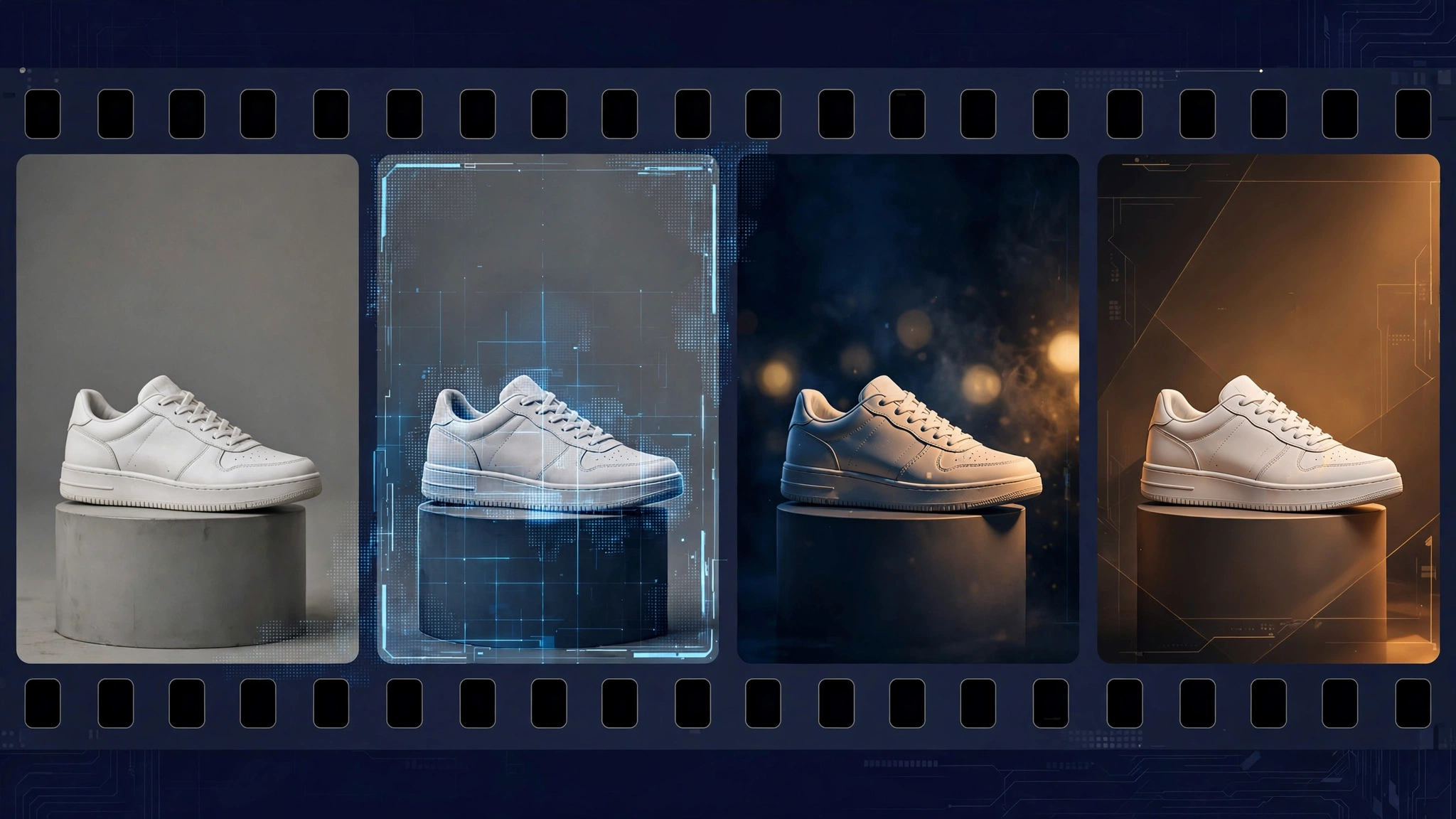
Image editing with AI has a quiet, corrosive problem: every time you ask a model to change one thing, it regenerates the whole image — and something else shifts. Pixels drift, colors creep, textures turn to mush. Ideogram 4.5, released September 30 and announced on X, is built around that one flaw. The company calls it "the most precise edit model," and it is betting that staying stable across a long chain of edits matters more than a flashier first image.
The drift problem #
Multi-turn editing is how real design work happens. Nobody gets the perfect image in one prompt: you recolor the product, then fix the lighting, then reframe, then repair a detail. Each of those rounds is a new generation pass, and today's image models treat every pass as a fresh roll of the dice — so the armchair you liked in round one quietly warps by round five. Ideogram is competing, as one early write-up put it, on whether image generation can survive real editing workflows, where preserving product details, layout and text across repeated changes matters more than a strong first image.

What 4.5 claims #
Ideogram says 4.5 reduces the pixel shifts, color changes and texture artifacts that compound across edits, so a user can revise an image step by step instead of regenerating it after each instruction. Company-described use cases include recoloring products, altering lighting, repairing old photographs in stages, translating stylized lettering while preserving its design, and changing the furniture in a room photo without touching the architecture.
There is also a zoom-editing angle: the model can edit high-resolution images without downsizing them first, preserving the edges of an edited crop so it stitches seamlessly back into the original. Ideogram's example cites a 4,016 × 6,016-pixel source image (24.2 megapixels) — pitched at campaign work and large-format print, where a brand may need to change an item's color or surrounding scene while keeping the product itself consistent.
The head-to-head #
The launch page runs a side-by-side comparison of the same multi-turn edits on Ideogram 4.5 versus GPT Image 2.5 Sunburst, Nano Banana Pro and Nano Banana 2. Ideogram's verdict: the rival outputs become unusable within a few edits, while 4.5 stays clean edit after edit. Worth noting the obvious caveat — that comparison is company-produced, and independent performance and adoption data remain unestablished. The claim is interesting precisely because it invites someone to run the test themselves.
Watch it in action #
Ideogram demoed the comparison as a video alongside its launch announcement. The clip below is hosted on the company's own servers:
Who Ideogram is #
The drift-free-editing bet follows the founders' research roots. CEO Mohammad Norouzi previously worked as a senior staff research scientist at Google Brain on Imagen, Google's text-to-image system; he co-founded Ideogram in 2023 with researchers whose prior work spans diffusion models and generative media, including William Chan, Jonathan Ho and Chitwan Saharia. Version 4.5 is, in a sense, the company turning its research pedigree into a single production promise.
What to watch #
Three things will decide whether 4.5 matters. First, whether the multi-turn claims survive independent testing — the company has essentially dared the community to run the comparison. Second, whether "edit drift" becomes a benchmark axis everyone has to report, the way text rendering once did for Ideogram itself. And third, how OpenAI and Google answer: if drift-free revision becomes table stakes, the next image-model generation will be judged not on the first image, but on the fiftieth edit.