XPENG takes the G9L global at the Paris Motor Show: its “AI flagship SUV” runs VLA 2.0 — and brings a robot lineup
XPENG announced today it will give its G9L — billed as a “Next-Gen AI Flagship SUV” running on its VLA 2.0 model — its global launch at the 2026 Paris Motor Show, opening European order books and revealing European pricing on October 12. The show will also debut the company’s full “Physical AI” pitch: humanoid robots, flying cars, and a live autonomous-driving test ride alongside Tesla.
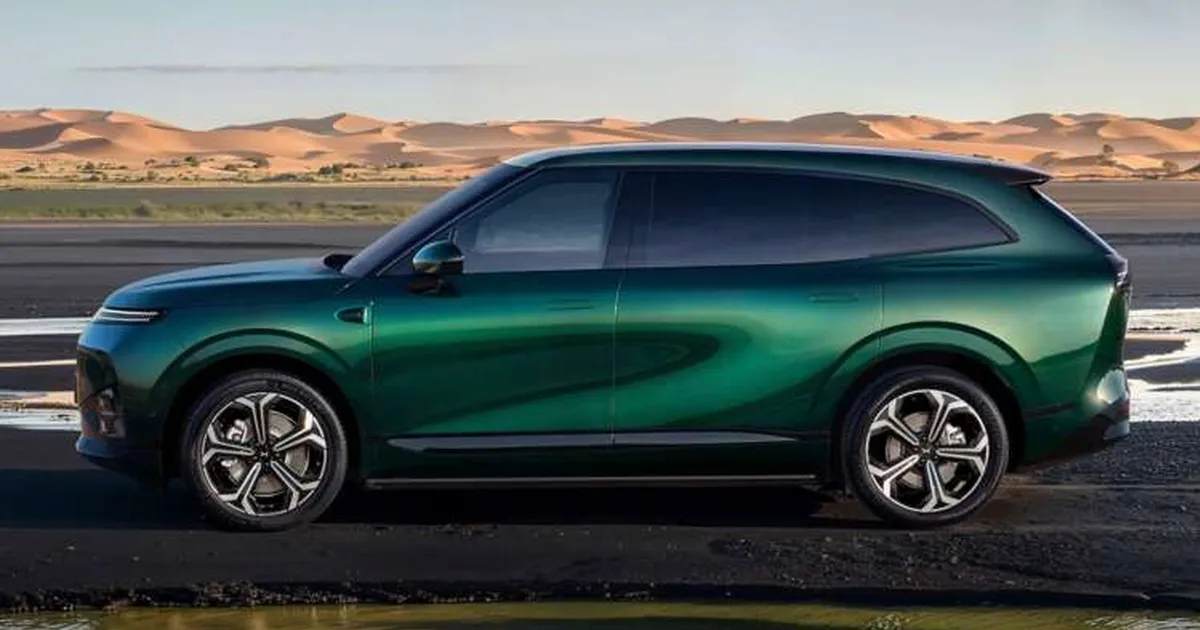
XPENG announced today it will stage the global launch of its G9L — marketed as a “Next-Gen AI Flagship SUV” — at the 2026 Paris Motor Show on October 12, 2026. At the show, the company will open European order books and announce European pricing, marking the model's transition from its China launch to a global market rollout. It's a press blitz with intent: the G9L will also become the fourth XPENG model produced in Europe.
The centerpiece of the booth, though, is a strategy statement. XPENG, which now describes itself as a “leading global Physical AI company,” will fill more than 1,000 square meters of Hall 6 with what it calls a Physical AI Museum — four zones spanning its technology stack, AI-defined vehicles, humanoid robots, and flying cars.
The G9L: a Turing AI chip on wheels#
The G9L made its China debut at a launch event in Beijing on September 17, where the company said the SUV would be offered in 64 global markets in both BEV and REEV versions. It measures 5,120 mm in length with a 3,100 mm wheelbase, runs XPENG's VLA 2.0 (vision-language-action) model, and uses the same Turing AI chip as the company's IRON humanoid robot.
XPENG positions the model as AI-defined from the ground up: the same foundation technology, it says, powers its smart EVs, robotaxis, and humanoid robots. The company cites 192 crash tests across the Euro NCAP, ANCAP, C-NCAP, and CIASI protocols (more than 110 individual test items), and three years of global road testing across 26 countries and regions totaling over 6.74 million kilometers.
The ‘Physical AI’ play#
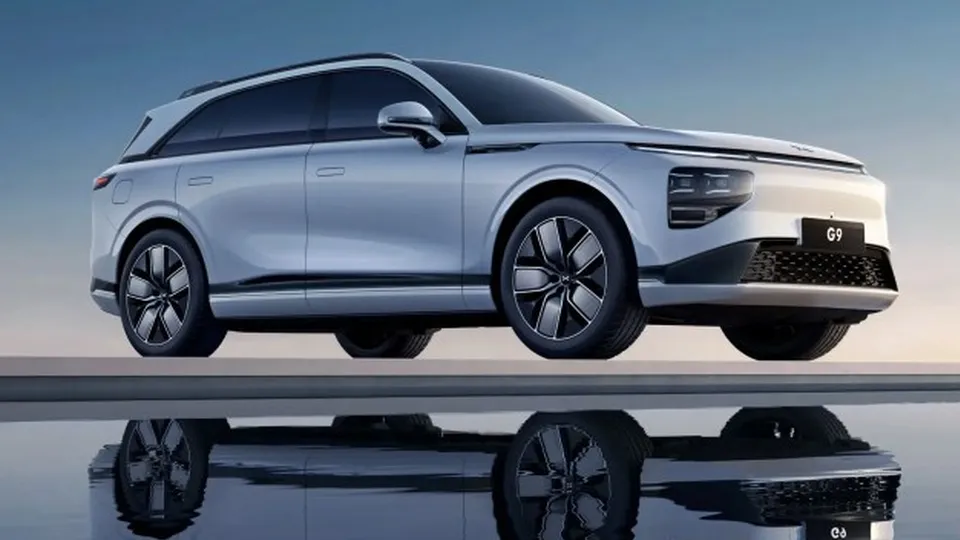
The Paris booth will showcase XPENG's full-stack Physical AI architecture — in-house Turing AI chips, world foundation models, and integrated software-hardware applications — alongside the vehicle lineup (G9L, L03, P7+, G6, G9, and X9). The pitch, in the words of chairman and CEO He Xiaopeng at the Beijing event: “We believe in ‘car as robot’ — over the past few years, we have built an in-house AI foundation based on our work in AI cars and humanoid robots, and it powers both.”
The hardware side is moving fast. In August, XPENG's robotics business closed a first funding round of over US$900 million — the company says it was the largest single-round private raise in China's embodied AI industry. In September, IRON, its advanced general-purpose humanoid robot, rolled off a newly commissioned production line — a milestone toward mass production, and the company claims the line is the world's first automated production line for advanced general-purpose humanoid robots.
XPENG and Tesla, alone in the Autonomous Lab#
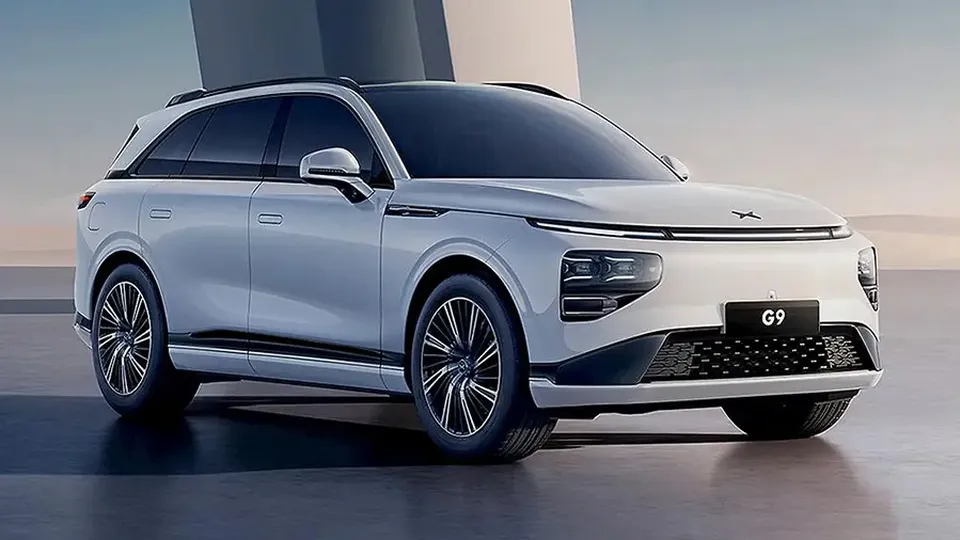
XPENG will also take part in the show's official Autonomous Lab program — and says it and Tesla will be the only two automakers participating. XPENG will run its NGP intelligent-driving system live on its recently launched L03 SUV coupe, marking the company's first large-scale NGP test ride experience outside China and giving European customers and media early access to its latest capabilities.
The company is also localizing its intelligent driving for Europe, adapting to local roads, traffic environments, and regulatory requirements through its European R&D center in Munich. The L03, which made its global debut in Munich in July 2026, is now preparing for its first deliveries to European customers.
The Europe bet, in numbers#
XPENG says it has delivered more than 100,000 vehicles overseas, including over 60,000 in Europe. In France, it has delivered more than 6,000 vehicles since entering the market two years ago. Overseas deliveries surpassed 20,000 units in the second quarter for the first time, up 81% year-on-year.
Production for Europe is part of the plan: alongside Guangzhou, the G9L will be built in Graz, Austria, under a cooperation with Magna announced in September 2025, following the G6, G9, and P7+. The program wraps with a press conference on Monday, October 12 at 11:10 a.m. in Hall 6, Booth A51, and a brand event and fireside chat — “XPENG Paris Night” — in downtown Paris the evening before.
What it changes#
Chinese EV makers have been fighting the price war in Europe. XPENG is trying to fight a different war: positioning the car as one node in an embodied-AI stack — same chip, same foundation model, different body. Whether European buyers buy the “Physical AI” framing is the open question, but the company is at least making the booth impossible to ignore: a million-token output window and a robot rolled off the same line are conversation starters. The Autonomous Lab test rides, with Tesla as the only other entrant, turn the claim into a direct comparison the press can ride in.