Moonshot scraps its $150M Nvidia B300 rental in Indonesia — the first casualty of Washington’s remote-access chip rule
Moonshot AI has walked away from a $150 million deal to rent Nvidia’s most powerful AI chips through an Indonesian data center — the first casualty of Washington’s new rule aimed at remote access to advanced chips. The Beijing lab behind the Kimi model family had arranged to use Nvidia Blackwell Ultra B300 accelerators hosted by a Southeast Asian cloud provider, with access expected no earlier than 2027. The Information first reported the cancellation, citing two people familiar with the matter. Moonshot has not confirmed it publicly.
- The deal: $150 million to rent Nvidia Blackwell Ultra B300 capacity in an Indonesian data center, via a Southeast Asian cloud provider; access from 2027 at the earliest; half the value reportedly paid upfront.
- The rule: BIS issued November 16, in effect November 19: licenses required for data centers giving more than 12 million TPP — about 760 H100s — to customers in China or other restricted countries; five countries face new shipment licenses.
- The gap it closes: remote access is estimated to supply about 23% of China’s AI chip access by the end of 2026, per CNAS; Reuters documented $3.2 billion of Chinese projects aimed at using advanced Nvidia chips.
- The context: Moonshot’s Kimi K3 (July 2026) is a 2.8-trillion-parameter model that nearly matched top Western systems; the White House said in July the lab used Blackwell chips via Thailand; BIS has opened a formal investigation into its access channels.
- What’s next: a replacement provider is reportedly already signed, with B300 services expected in 2027; Moonshot is also in talks with European operators about clusters of 8,000+ Blackwell GPUs.
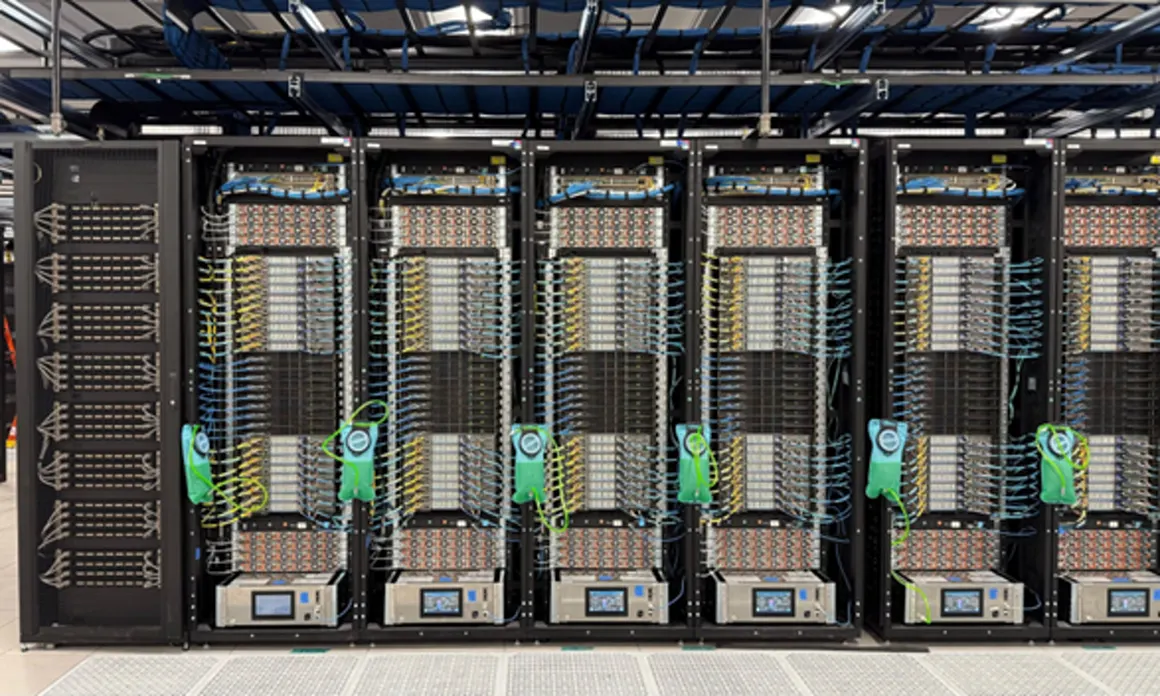
Moonshot AI has walked away from a $150 million deal to rent Nvidia’s most powerful AI chips through an Indonesian data center — the first casualty of Washington’s new rule aimed at remote access to advanced chips. The Beijing lab behind the Kimi model family had arranged to use Nvidia Blackwell Ultra B300 accelerators hosted by a Southeast Asian cloud provider, with access expected no earlier than 2027. The Information first reported the cancellation, citing two people familiar with the matter. Moonshot has not confirmed it publicly.
The deal was built around a workaround. Chinese companies cannot legally buy Nvidia’s top-tier accelerators, so instead of purchasing the chips they pay by the hour to use them in data centers in countries like Indonesia, Malaysia and Thailand. Until this week, that rental route sat outside US export law. The arrangement Moonshot struck was reportedly a $150 million contract, with half the value paid upfront — far above the roughly 15% advance that is typical for such deals.
The rule that closed the door#
The timing is the story. On November 16, the US Commerce Department’s Bureau of Industry and Security issued a rule that extends export licensing to remote computing arrangements. Any data center that provides more than 12 million units of “total processing performance” to customers based in China or other restricted countries now needs a license before advanced chips can be shipped to it. Analysts at the Center for a New American Security put that threshold at roughly 760 Nvidia H100 chips — about a third of the compute DeepSeek is reported to have used to train its V3 model.
The rule goes further than the threshold. It also adds a license requirement for advanced-chip shipments to Indonesia, Malaysia, Singapore, Thailand and Brazil — five countries Washington says carry an elevated risk of chips being diverted — and it scraps the previous administration’s AI Diffusion Rule, which had ranked countries in tiers to decide who could buy chips. Data centers already serving Chinese customers get 90 days from November 19 to apply for a license. The rule took effect November 19, when it was published in the Federal Register.
The rental route mattered enough to be worth closing. CNAS estimates remote access will account for about 23% of China’s access to AI chips by the end of 2026. In August, US enforcement officials reportedly began studying how to shut the gap; in November, Reuters documented more than $3.2 billion of Chinese infrastructure projects aimed at using advanced Nvidia processors, based on a review of over 150 procurement and construction documents.

Moonshot’s chip problem#
Moonshot is not a casualty picked at random. Its Kimi K3, released in July, is a 2.8-trillion-parameter mixture-of-experts model that nearly matched the top Western systems on independent benchmarks — and demand was so strong that two days after launch the lab nearly ran out of compute and had to pause new sign-ups. Training the next generation needs far more Blackwell-class hardware than the last one did.
The lab has been under Washington’s microscope for months. In July, the White House said Moonshot had used Nvidia Blackwell chips through a data center in Thailand, around the time Kimi K3 launched. The Commerce Department has since opened a formal investigation into how Moonshot accesses advanced semiconductors. Some data-center operators have reportedly begun asking Chinese customers to pay 30% to 50% more upfront, to insure themselves against exactly this kind of rule change.
Moonshot has also paused negotiations on other new compute contracts while it assesses the damage, according to the reporting. But it is not standing still: the lab has reportedly already signed a replacement deal with a different Southeast Asian cloud provider, with B300 services expected to start in 2027, and it has been in talks with data-center operators in Europe about renting clusters of 8,000 or more Blackwell GPUs.
What to watch#
Three things decide what happens next. First, the replacement: a new provider in a different country faces the same rule, so the question is whether the next arrangement stays under the threshold, gets licensed, or lands in a jurisdiction Washington has not yet covered. Second, the 90-day window: existing operators serving Chinese customers must seek permits, and how generously those are granted will set the market for every other lab renting abroad. Third, the workarounds: CNAS notes a developer could stay under the threshold by splitting a job across several providers, and the rule depends on exporters and data centers knowing — and disclosing — who their customers really are.
The broader signal is that the rental loophole is now a regulated market. For two years, renting Blackwell-class compute overseas was the quiet answer to the question of how Chinese labs kept training frontier models without buying the chips. That answer now comes with a license application, a 90-day clock, and a $150 million deal that died in the first week of the new regime.
Sources: ForkLog, 'Moonshot AI Cancels $150M Nvidia Chip Leasing Deal,' November 20, 2026; Cryptopolitan, 'China’s Moonshot drops $150M Indonesia Nvidia deal days after US crackdown,' November 20, 2026; AIWeekly, 'Moonshot AI Cancels $150M Nvidia B300 Rental in Indonesia,' November 19, 2026 (all reporting on The Information’s original, paywalled report).