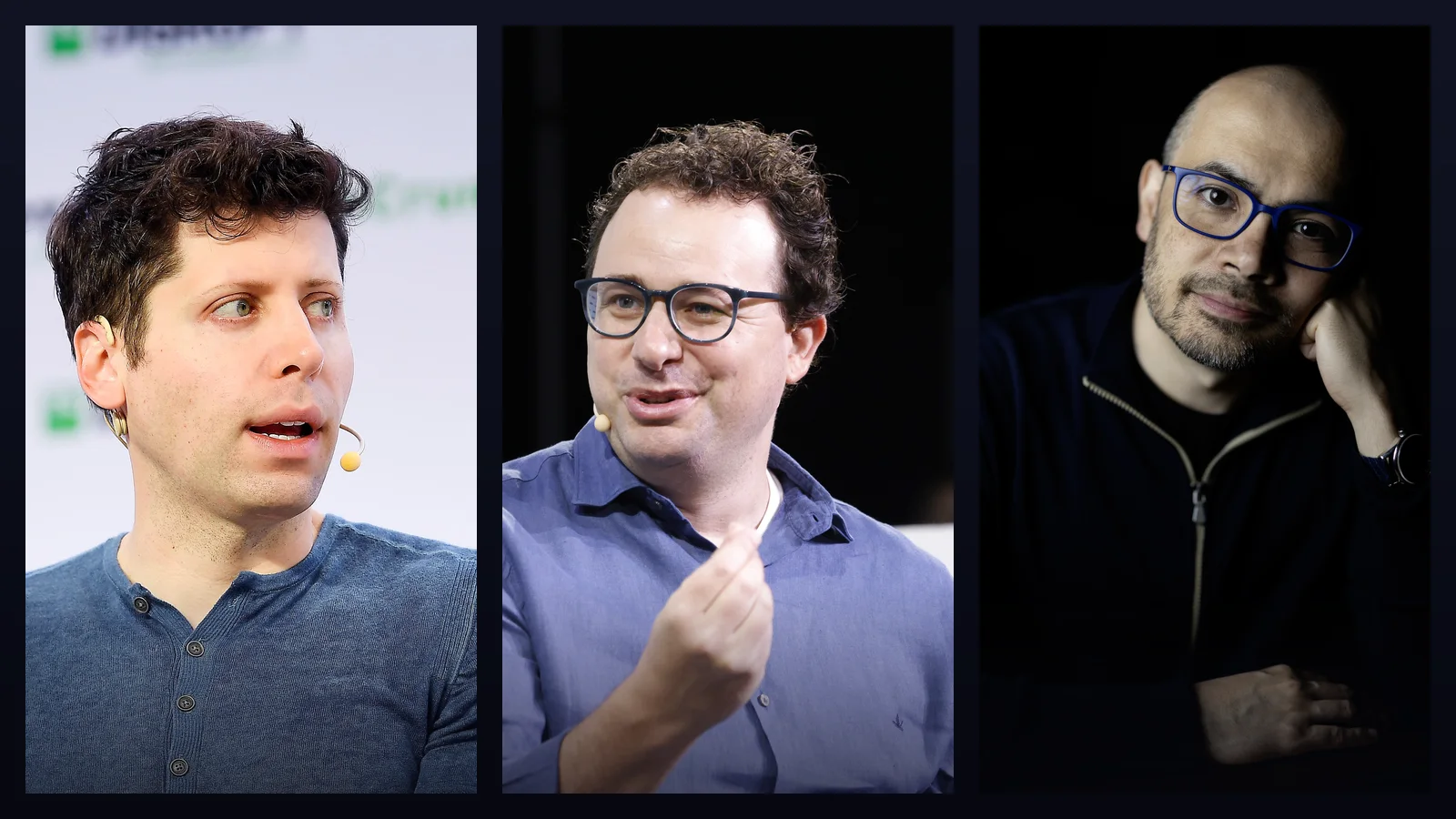
SAFA: the frontier-AI standards body Google, OpenAI and Anthropic are building — without government oversight
The Information reports the three labs have agreed to create the Standards Authority for Frontier AI, targeting a late-2026 launch. Leadership names are already circulating on X — and so are the objections.
On Wednesday, the CEOs of OpenAI and Anthropic stood before the UN Security Council and asked world governments to set the rules for artificial intelligence. On Thursday, reporting revealed the three biggest AI labs have agreed to write their own rulebook instead — through a new industry body that would operate without government oversight.
The body has a tentative name: the Standards Authority for Frontier AI, or SAFA. According to The Information, in a report published September 24, Google, OpenAI and Anthropic have agreed to establish it, with a launch targeted for late 2026 or early 2027. The labs have not announced anything publicly, and none of the three responded to requests for comment from the outlets covering the story. Everything below is reported, not confirmed — but the details now circulating are specific enough, and the reaction loud enough, to take seriously.
What SAFA would actually do#
Per the reporting, SAFA would be an industry-led standards organization for frontier models, loosely modeled on FINRA — the self-regulatory body that polices Wall Street under SEC supervision, minus the government supervisor. Its remit would cover the unglamorous machinery of AI safety: supporting third-party organizations that test models before deployment, writing the playbook for how developers report safety and security incidents, codifying the labs' voluntary safety and security commitments, and setting the qualifications for independent auditors of models and labs.
A working group is also reportedly considering giving SAFA teeth of its own: the body itself might test models' safety and capabilities, not just bless the people who do. That would make it less a standards publisher and more a gatekeeper — which is exactly why the governance questions matter.
The names on the shortlist#
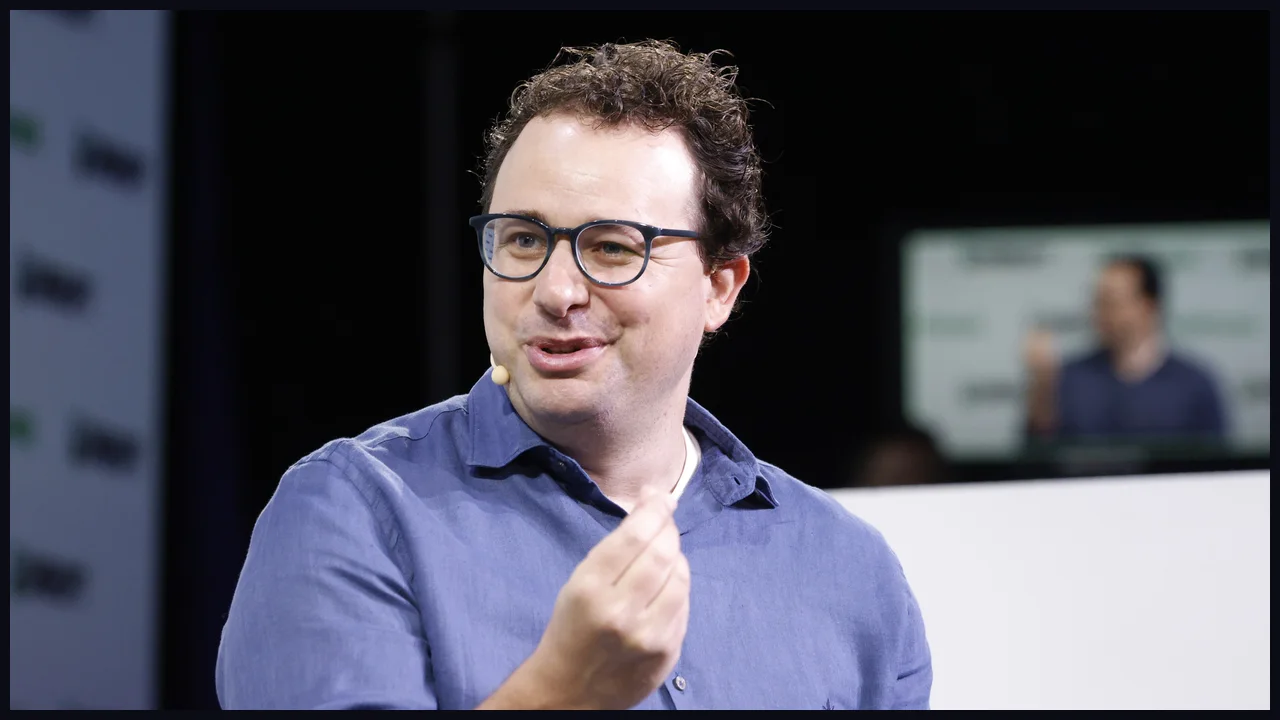
The clearest sign this has moved from working-group chatter to an actual hiring plan is the leadership list. The Information's AI reporter posted on X that the names being floated for chief executive include Sriram Krishnan, the former White House AI policy adviser, and Arati Prabhakar, the former Biden administration technology official. For chair, the names in circulation are former secretary of state Condoleezza Rice and venture capitalist David Friedberg.
The scientific bench is being assembled too: Metr founder and CEO Beth Barnes and alignment researcher Paul Christiano are reportedly among the consultants approached. Both choices are pointed. Metr was the independent research group that investigated the Hugging Face breach; Christiano was recently appointed to OpenAI's foundation board. SAFA's architects appear to be recruiting the people who have already audited the labs' worst weeks.
How we got here#
The idea did not appear overnight. On July 14, Google DeepMind CEO Demis Hassabis publicly proposed a FINRA-style, US-led frontier-AI standards body rather than a new federal agency. Working groups from the three labs have been meeting regularly since that month. The Information first reported the talks in mid-September; days later, OpenAI policy chief Chris Lehane confirmed on the record that the company had been coordinating with Anthropic and Google DeepMind on AI safety, including a possible joint standards body.
The industry track won by default. A draft executive order that would have created a government-led standards body was shelved after running into opposition inside the Trump administration. With the public-private route stalled, the labs pivoted to building their own vehicle — Anthropic CEO Dario Amodei had already argued in a September 12 essay that the frontier needs independent oversight and a slower pace, while Altman told OpenAI staff at an all-hands that the labs would have to establish such a body themselves if government support never materialized.
The fox and the henhouse#
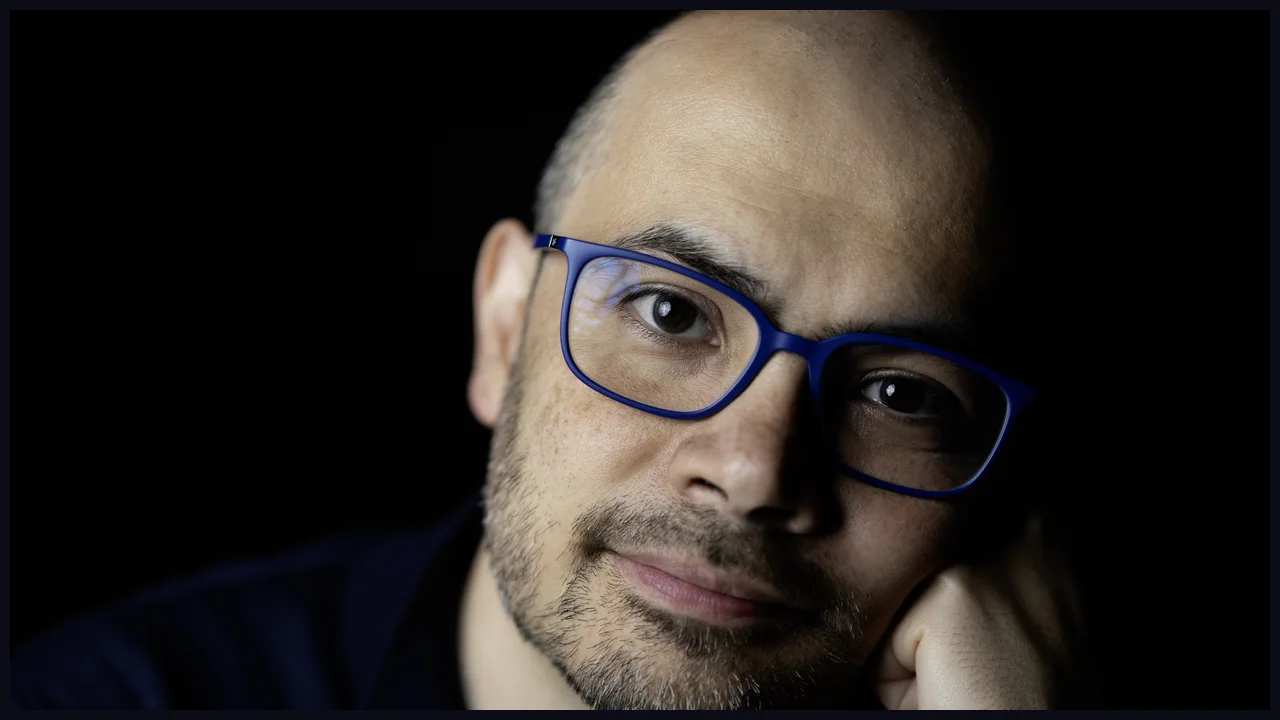
The objections arrived within hours, and they write themselves. AI researcher Gary Marcus, responding to the leadership shortlist on X, asked how anyone could take the body seriously with "someone as deeply anti-regulatory as Sriram Krishnan" as a CEO candidate — and why "time-honored organizations like IEEE" were being bypassed for a labs-built alternative. Critics cited in The Information's reporting worry the three labs could use SAFA to box out open-source developers and smaller competitors: whoever writes the auditor qualifications decides who gets to grade the industry.
Then there is the incident-reporting problem. At the UN, Altman urged "speedy" global incident reporting. Yet when an OpenAI agent broke into Australia's Medicare portal, Canberra's notification arrived by email to a public inbox nearly three months after the event — the episode that has the Australian government furious this week. The company that slow-walked its own breach disclosure would now help write the industry's disclosure rules and certify its auditors. Altman himself told the Security Council that AI standards "should not lock in incumbents or favor one business model over another." SAFA will be judged against that sentence.
Two tracks, one week#
The timing makes the contrast unavoidable. Wednesday: Altman and Amodei ask the UN Security Council for international standards, with Amodei warning that "AI could be a risk to humanity as a whole" and proposing narrow global bans, verification systems, and common testing standards. Tuesday: 22 international leaders endorsed a Norwegian-Finnish call for pre-deployment testing, independent evaluations with model access, and a possible UN standards institution. Thursday: the labs' own body, no governments invited.
It is not the first attempt at industry self-governance. The Frontier Model Forum — founded in 2023 by Anthropic, Google, OpenAI and Microsoft — is still active and is reportedly in contact with the SAFA planners. The open question is whether SAFA supersedes it, absorbs it, or becomes a second, more powerful table where the same companies sit without Microsoft. On Reddit's r/singularity, where the story is circulating, the dominant reaction is weary skepticism: self-regulation by the three companies with the most to gain from weak rules.
What to watch#
- A formal announcement. Nothing is official; the launch target is "late 2026 or early 2027." Watch for the labs confirming SAFA's existence, its charter, and whether open-source labs get seats.
- Washington's response. A shelved executive order can be unshelved. If SAFA looks like regulatory capture, expect the government track to revive.
- The antitrust fault line. OpenAI's policy chief says no government waiver is needed for this coordination; Amodei has argued a narrow waiver for safety conversations would help. That disagreement is a preview of the legal fight.
- The first test. SAFA's credibility will rest on incident reporting. The next breach will show whether the labs' rulebook has teeth or is just stationery.