Senate passes sweeping permitting reform in 62-33 vote — a win for data centers and power lines
The Senate voted 62–33 to overhaul federal permitting for power lines, energy projects and data centers, with new protections to keep data-center power costs off household bills. The bill now heads to the House.
- The vote: 62–33 on November 19, 2026 — 47 Republicans, 14 Democrats and Sen. Angus King in favor; 31 Democrats plus Sens. Hawley and Rounds against; 5 not voting.
- The vehicle: the Bipartisan American Affordability and Jobs Act (S. 5653) passed as a substitute amendment to H.R. 2347. It is not law yet — the House takes it up after the Thanksgiving recess.
- What changes: reviews under NEPA, the National Historic Preservation Act, the Endangered Species Act, the Federal Power Act and the Clean Water Act; new FERC authority over interstate transmission.
- The AI angle: ratepayer protections aim to keep data-center power costs off household bills, while faster transmission permitting unblocks the grid the AI buildout depends on.
- Meanwhile in Texas: governor-elect Gina Hinojosa, who takes office January 19, has called for a moratorium on new data-center approvals until the legislature meets in January.
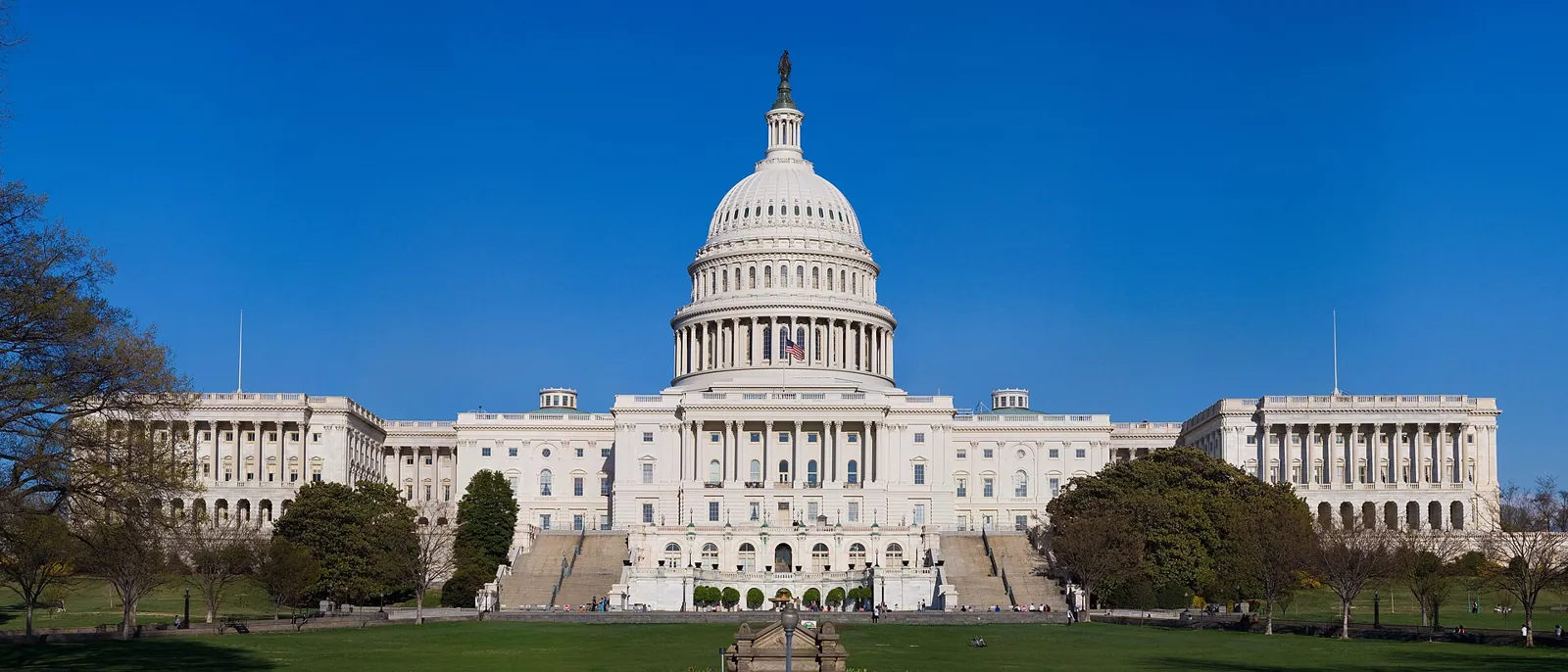
The United States Senate voted 62–33 on Wednesday, November 19, to pass a sweeping overhaul of federal permitting — the kind of bill that rarely moves in Washington, and one that lands squarely on the AI industry's biggest bottleneck: power. The measure rewrites how the federal government reviews power lines, wind and solar farms, mines and oil drilling, and it gives federal regulators new authority over interstate transmission. It now heads to the House, which is not expected to take it up until after the Thanksgiving recess.
The vote was the top story on Reddit's r/accelerate overnight, where the news spread within minutes of the roll call. That is fitting: for all the talk of chips and models, the AI buildout is increasingly a story about electricity — and about who pays for it.
What the bill actually does#
The bill, H.R. 2347 as amended, is the legislative vehicle for the Bipartisan American Affordability and Jobs Act, introduced as a standalone bill, S. 5653, on September 30. The Senate passed its text as a substitute amendment, S. Amdt. 6883, to H.R. 2347, a tax bill used as the vehicle.
In substance, it reworks the review process under five major statutes: the National Environmental Policy Act, the National Historic Preservation Act, the Endangered Species Act, the Federal Power Act and the Clean Water Act. It hands the Federal Energy Regulatory Commission new authority over interstate transmission lines, and it adds ratepayer protections designed to keep the cost of powering data centers from being passed on to household electricity bills. The White House supported the bill.
The vote itself was bipartisan, and the breakdown tells the story:
| Vote | Count | Who |
|---|---|---|
| Yeas | 62 | 47 Republicans, 14 Democrats, Sen. Angus King (I-ME) |
| Nays | 33 | 31 Democrats, Sens. Josh Hawley (R-MO) and Mike Rounds (R-SD) |
| Not voting | 5 | Sens. Cassidy, Cornyn, McConnell, Murphy and Tuberville |
Why the AI industry is watching#
Data centers are among the most power-hungry new customers on the American grid, and the wires that carry electricity from where it is generated to where it is used have been among the slowest pieces of infrastructure to build — in large part because federal reviews can stretch on for years. A permitting process that moves faster means transmission lines, and the power plants that feed them, get built sooner.
The ratepayer provision is the part aimed most directly at the AI boom. As data-center demand has surged, utilities and consumer advocates have warned that the cost of new power infrastructure could land on ordinary households. The bill's answer is to wall off those costs. That protection was part of the package that won support from 14 Senate Democrats, alongside 47 Republicans and independent Angus King.
The Texas parallel#
The federal fight is not the only permitting battle data centers face. In Texas, governor-elect Gina Hinojosa — who defeated Governor Greg Abbott on November 3 — has called for a moratorium on new data-center approvals until the state legislature meets in January. She takes office on January 19. Texas regulators resumed environmental permit reviews for data centers on November 17, leaving developers a roughly two-month window to get approvals in before the new administration arrives.
The contrast is the story: Washington is moving to speed permits up, while the state at the center of the data-center boom is moving to slow them down. Both are responses to the same pressure — communities and ratepayers asking who the buildout is actually for.
What to watch#
The bill is not law yet. It now goes to the House, where it is expected to be taken up after the Thanksgiving recess — a point Reddit commenters were quick to flag, even as they cheered the Senate result. The White House's support and the bill's bipartisan Senate margin give it momentum, but the House will have its own say.
If it passes, the practical question becomes implementation: how quickly the new review timelines actually move projects, and whether the ratepayer protections hold up in practice. For AI companies planning gigawatt-scale campuses, the answer will shape where — and how fast — the next wave of data centers gets built.
Sources: U.S. Senate, Roll Call Vote 270 (H.R. 2347, as Amended); The Hill, “Major permitting reform bill clears Senate, heads to House”; Roll Call, “Sweeping permitting overhaul passes Senate, on to House”; The Texas Tribune, “Gina Hinojosa won the governor’s race”; r/accelerate, Senate permitting vote thread