SoftBank reportedly agrees to buy Marc Raibert's Robotics and AI Institute from Hyundai
SoftBank Group has reportedly agreed to acquire the Robotics and AI Institute — Marc Raibert's Cambridge research lab — from Hyundai Motor Group, adding a physical-AI research engine to its growing stack of ABB Robotics, Boston Dynamics, and warehouse-automation holdings. The deal now faces a CFIUS national-security review.
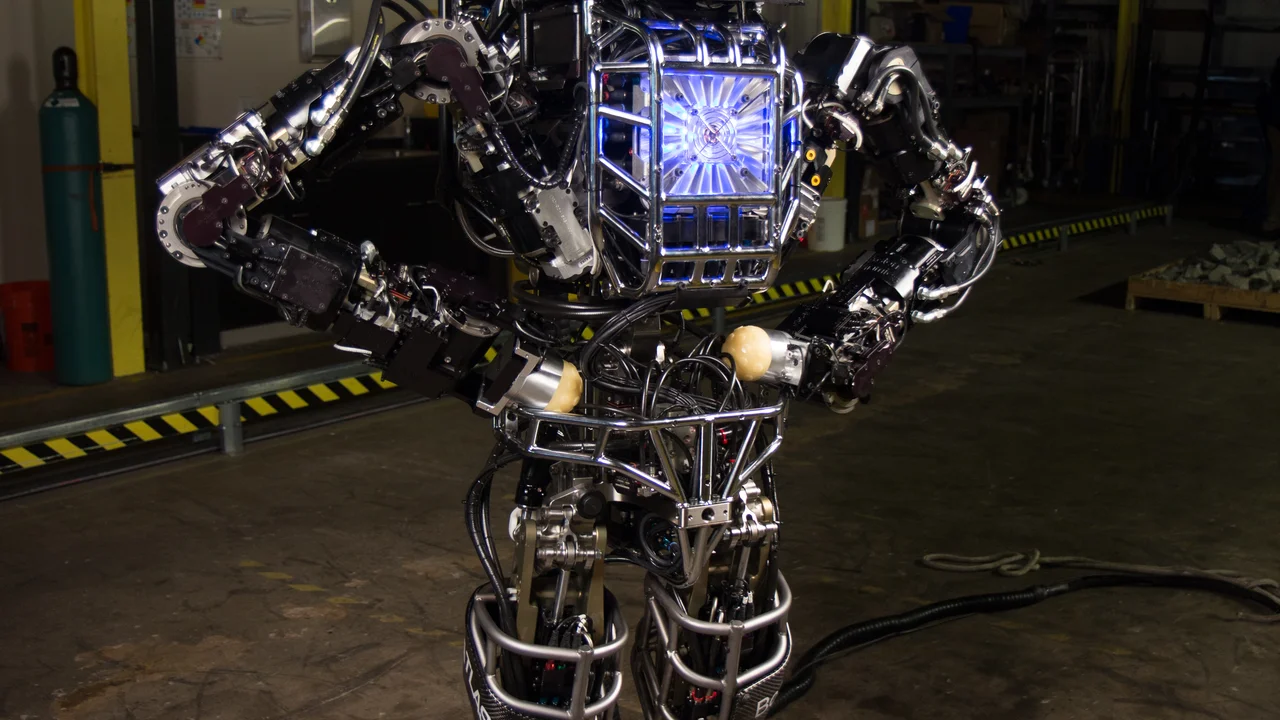
Masayoshi Son is buying the brains to go with the bodies. SoftBank Group has agreed to acquire the Robotics and AI Institute (RAI) — the Cambridge, Massachusetts research lab founded by Boston Dynamics legend Marc Raibert — from Hyundai Motor Group, according to multiple sources cited by The Robot Report. Financial terms were not disclosed, and neither company has publicly confirmed the deal. It is now under review by the Committee on Foreign Investment in the United States (CFIUS), the federal panel that screens foreign investments for national-security risk.
If it closes, the transaction completes a remarkable round trip. SoftBank owned Boston Dynamics from 2017 to 2021 before selling control to Hyundai; the Japanese conglomerate would now take over the very research institute Hyundai spun out of that deal — putting Raibert’s lab back in the orbit of the company that first bet on his robots.
The deal on the table#
According to The Robot Report, which broke the story citing multiple sources, the agreement has been rumored for a couple of months and is now in CFIUS review — though how far along the process is, nobody outside the parties knows. RAI told the outlet it had “nothing to share on this topic right now”; SoftBank had not responded at press time.
The context is an asset shuffle the two companies have been quietly conducting all year. In July 2026, Hyundai said it was pursuing SoftBank’s remaining 9.65% stake in Boston Dynamics after SoftBank exercised a put option. The RAI sale would complete the swap: Hyundai gets full control of Boston Dynamics, SoftBank gets the research engine.
What RAI actually is#
RAI is not a robotics company in the usual sense — it makes no products. Founded in 2022 after Raibert stepped down as Boston Dynamics CEO, it was spun out of Hyundai’s Boston Dynamics acquisition with more than $400 million in seed funding and set up as a hybrid research house, deliberately operating alongside Boston Dynamics rather than inside it.
Its brief is the hardest end of the field — dexterous manipulation, learning-based control, and physical foundation models. Its most visible output is the whole-body learning framework behind the acrobatic moves of the new electric Atlas. It has also produced the multi-finger juggling platform AthenaZero, a parkour-capable Ultra Mobility Vehicle, and joint appointments with ETH Zurich under legged-robotics specialist Marco Hutter.
The original funding, per the reporting, has run out — which is likely one reason a sale makes sense. A research institute with no product revenue needs a patron; the question was only ever which one.
Why SoftBank wants it#
This is SoftBank’s second major robotics acquisition in about a year. In late 2025 it agreed to take ABB Robotics off ABB’s hands for $5.3 billion — a deal expected to close by late 2026 that brings decades of industrial-automation know-how and a massive installed base. The shape of Masayoshi Son’s bet is becoming clear:
| Layer | Holding | What it brings |
|---|---|---|
| Industrial robots | ABB Robotics ($5.3B, pending close) | Mass-produced arms, an enormous installed base, a global service network |
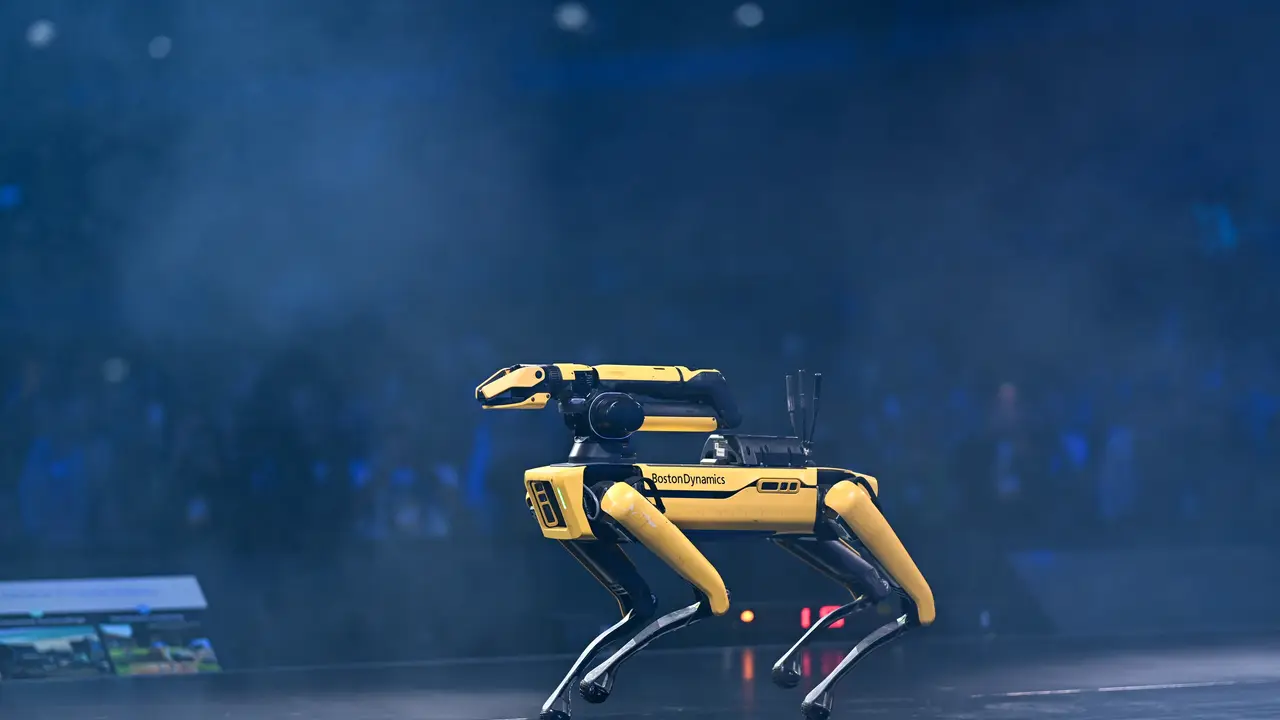
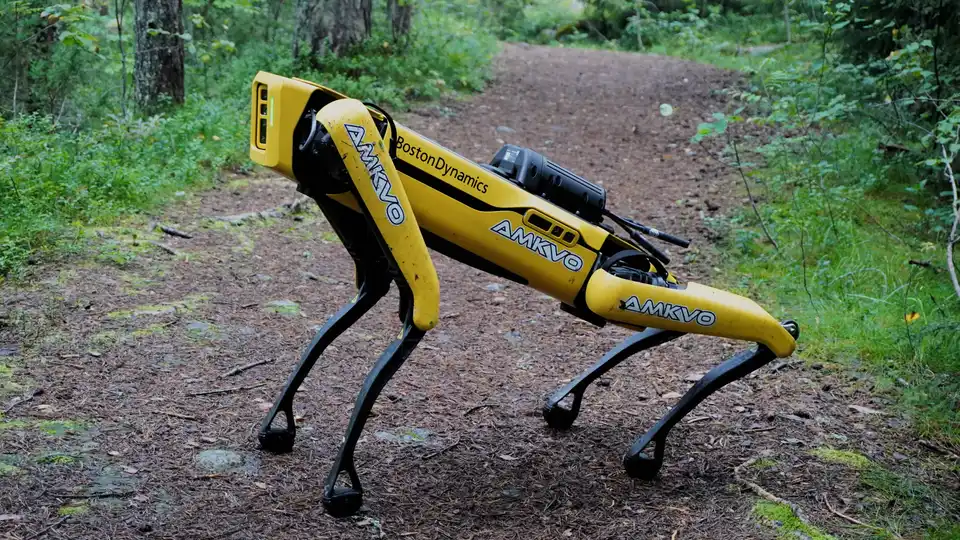
| Humanoids & quadrupeds | Boston Dynamics stake (~9.65%) | The Atlas humanoid and Spot quadruped — the most famous robots alive |
| Research engine | RAI Institute (this deal) | Manipulation, locomotion, and physical foundation models |
| Logistics | AutoStore, others | Warehouse automation at scale |
The logic: ABB provides the manufacturing muscle, RAI feeds it new capabilities, and SoftBank’s chip and cloud portfolio ties the stack together — a physical-AI holding assembled outside the big-tech incumbents.
CFIUS: the swing factor#
Nothing about this deal is simple for regulators. RAI is a US research organization with contracts spanning American universities and direct links to Boston Dynamics-derived hardware; SoftBank is a Japanese buyer. CFIUS will want to know exactly what crosses the border: the institute’s data holdings, its publication rights, and how its research flows into hardware.
- Data and publication rights — whether RAI can keep publishing openly or whether parts of its work become proprietary.
- Tech transfer — how manipulation and control research migrates into products built and sold by Japanese-owned firms.
- Conditions — whether clearance arrives with behavioral remedies on hiring, data access, or collaboration with US universities.
Analysts expect the deal to clear, given SoftBank’s long US regulatory footprint — but the review’s stage is undisclosed, and the “expect to clear” view has been wrong before.
What to watch#
- The CFIUS clock. How long the review takes, and whether it closes with conditions, will tell the industry how open the US remains to foreign ownership of foundational robotics research.
- Raibert’s role. It is unknown what happens to the founder if the deal closes; trade coverage expects him to stay on as executive director, but that is not confirmed.
- The price tag. Terms are undisclosed; the original $400M-plus seed is the floor for what Hyundai is giving up.
- First joint output. The real test of the thesis is whether RAI research starts appearing in ABB’s industrial arms and Boston Dynamics’ humanoids within a couple of years.
Sources
- “SoftBank agrees to acquire Robotics and AI Institute” — The Robot Report (September 18, 2026)
- “SoftBank Agrees To Acquire Robotics And AI Institute (RAI)” — The Robotics Media (updated September 27, 2026)