Tesla delivered 486,532 vehicles in Q3 — beating the street by 24,600, while energy storage fell short
Tesla reported 486,532 vehicle deliveries for the third quarter of 2026 — topping its own analyst consensus by roughly 24,600 cars, drawing down inventory for a second straight quarter, and reinforcing that the car business is the cash engine behind the autonomy and robotics bets.
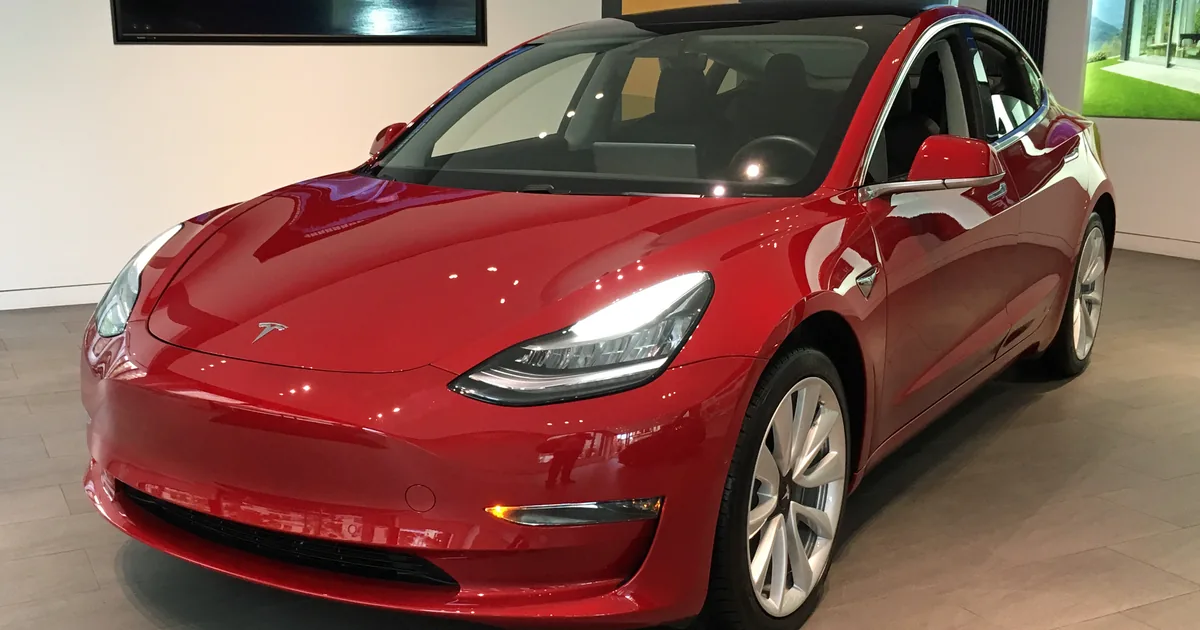
Tesla reported Friday that it produced 464,391 vehicles and delivered 486,532 in the third quarter of 2026, and deployed 13.7 GWh of energy storage products. The Model 3 and Model Y pair did nearly all of the work: 457,387 built and 478,237 delivered, about 98% of the total. Everything else — the Cybertruck, the Semi, and the remnants of the S/X line — added just 7,004 produced and 8,295 delivered.
The company thanked "all of our customers, employees, suppliers, shareholders and supporters" in the same release, and confirmed it will stream its Q3 company update live on X on October 21 at 4:30pm CT, when the full financial results — margins, cash generation, and the cost of the autonomy push — get their proper airing.
The beat, and where it came from#
The delivery figure cleared Tesla's company-compiled analyst consensus of 461,974 — drawn from 24 analysts and published September 29 — by roughly 24,600 cars, or about 5%. The Motley Fool reported the result topped every estimate on Tesla's list: JPMorgan sat at the high end with 482,000, Cantor Fitzgerald at the low end with 421,758. Shares jumped roughly 5% on Friday.
It is the second consecutive quarter in which Tesla both beat expectations and delivered more cars than it built. Q2 saw 451,758 built against 480,126 delivered; this quarter the gap is about 22,000 vehicles — inventory drawn down for a second straight period after an overhang earlier in the year. Deliveries rose 1.3% sequentially, but fell 2.1% year-over-year against the record 497,099 of Q3 2025 — a quarter inflated by U.S. buyers rushing to claim the $7,500 federal EV tax credit before it expired on September 30, 2025. Cox Automotive data, cited by TechCrunch, put U.S. sales down nearly 20% year-over-year in the run-up to the report.
Energy storage missed, but the direction is up#
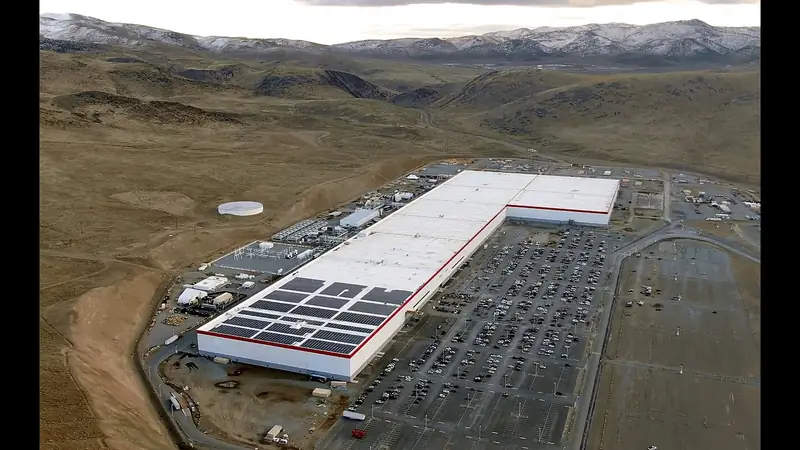
Energy storage deployments came in at 13.7 GWh across commercial and residential battery systems — up 9.6% from 12.5 GWh a year earlier and a touch above Q2's 13.5 GWh, but short of the roughly 15.9 GWh analysts expected. It is a miss on the quarter, and it matters because the storage business is Tesla's second industrial pillar: grid-scale batteries are increasingly what utilities and data-center operators reach for when balancing strained electrical grids.
The "other models" category told a similar story: 8,295 deliveries against an 11,285 forecast, roughly half the 15,933 of a year earlier. The Model S and X are being sunset — their delivery event was back in May — leaving the Cybertruck and the just-ramping Tesla Semi (targeted at 50,000 trucks a year) to carry the line, per Not a Tesla App.
Why it matters#
Strip away the quarterly car-delivery race and what remains is the industrial foundation for Tesla's AI ambitions. Every delivered vehicle is another sensor platform and data source for Full Self-Driving; the storage business plugs directly into the power crunch that now constrains every hyperscaler's AI buildout. Deepwater Asset Management's Gene Munster read the quarter as evidence the "EV winter" is thawing, crediting improving demand, the value proposition, and growing consumer interest in FSD — and sees 15% full-year delivery growth in 2027.
There is support for the optimism inside Tesla: CFO Vaibhav Taneja noted on the July earnings call that the company exited Q2 with its largest order backlog since 2023. The momentum carried into Q3. The real test, as the Fool put it, comes October 21 — when the delivery beat has to show up in margins and cash.