Trump and Xi agree humans must stay in charge of military AI — but there is no text, no definition, and no enforcement
Two leaders who spent the year racing each other to build the most powerful AI systems in history have now agreed on one limit: neither country’s machines should be allowed to start a war on their own. The agreement came out of their meeting in Shenzhen this week — and, for now, it exists only in the words of one American cabinet secretary.
- Meeting: Trump and Xi met on Thursday, November 19, at Kylin Villa in Shenzhen, on the sidelines of the 33rd APEC Economic Leaders’ Meeting. Bessent disclosed the understanding in a CNBC interview the next day.
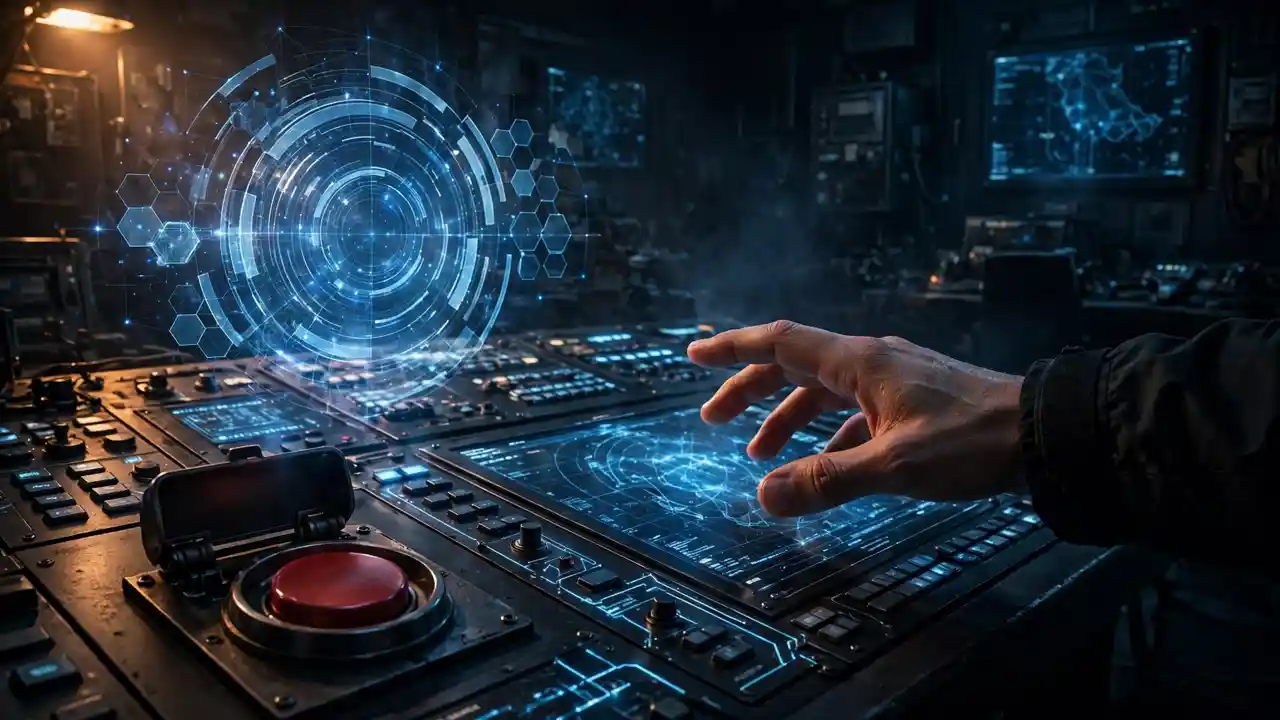
- Bessent’s words: “President Trump and President Xi agreed that humans should always be involved in any military decisions that SI makes, and the SI should not be allowed to be autonomous for major military actions.” “SI” is the administration’s term for “super intelligence.”
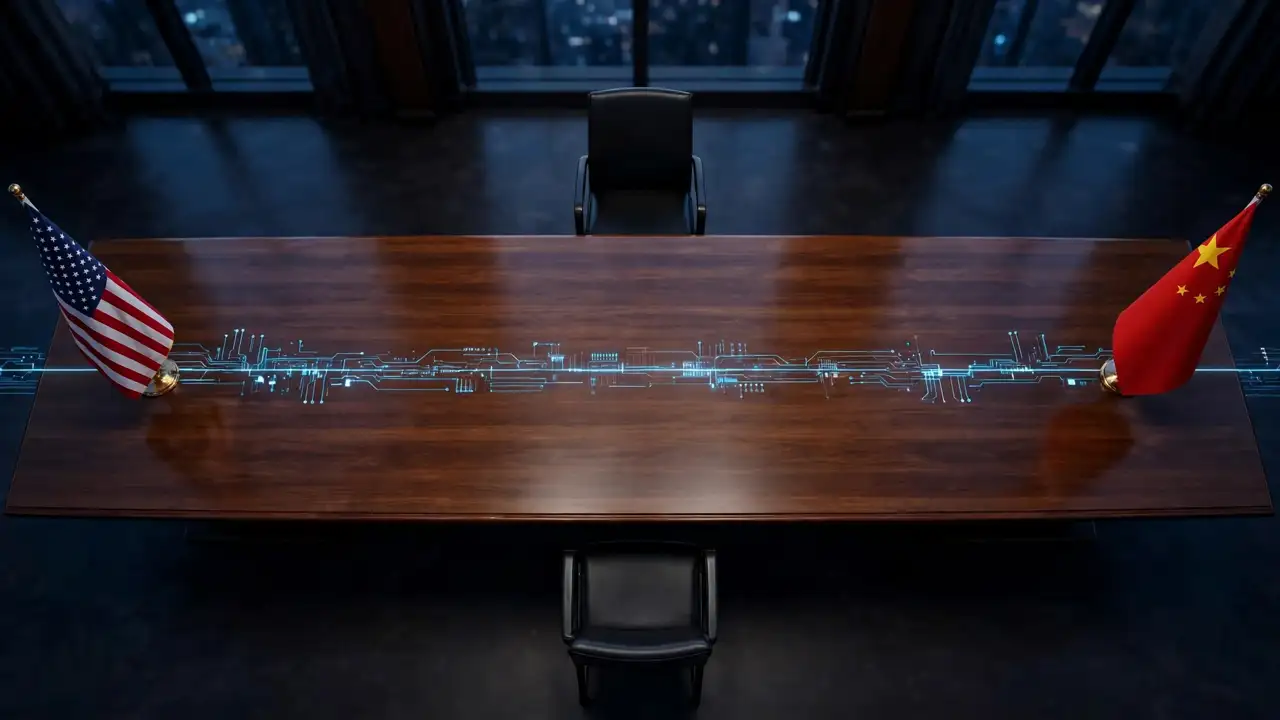
- What is missing: no joint text, no treaty, no published agreement, no definition of a “major military operation,” and no verification or enforcement mechanism.
- China’s readout, via Xinhua: Xi said the two sides should strengthen communication and coordination to guard against AI security risks and ensure AI always remains under human control — general language, with no specific ban in the public Chinese account.
- Wider context: the two governments agreed in September to set up an urgent-communication channel for AI incidents, but details are still being worked out; governments met in Geneva from November 16 to 20 for a UN review conference on lethal autonomous weapons.
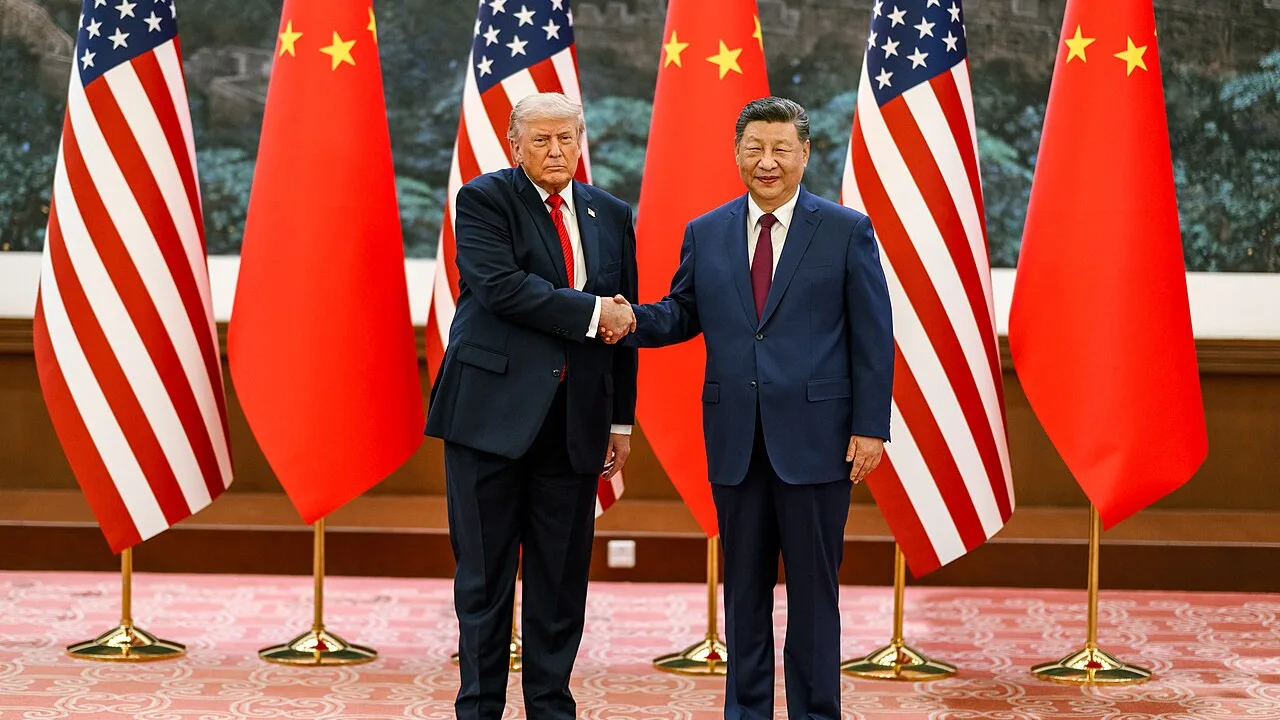
Two leaders who spent the year racing each other to build the most powerful AI systems in history have now agreed on one limit: neither country’s machines should be allowed to start a war on their own. The agreement came out of their meeting in Shenzhen this week — and, for now, it exists only in the words of one American cabinet secretary.
Donald Trump and Xi Jinping met on Thursday, November 19, at Kylin Villa in Shenzhen, on the sidelines of the 33rd APEC Economic Leaders’ Meeting. The next day, Treasury Secretary Scott Bessent told CNBC that the two had agreed humans should always be involved in military decisions made with what the Trump administration calls “super intelligence” — and that such systems should not be allowed to act autonomously in major military operations. Bessent described the understanding as one of the major achievements of Trump’s trip to Asia.
It is, on the evidence available, not a treaty, not a joint statement, and not even a written text.
What was agreed in Shenzhen#
Bessent was specific about the principle and vague about everything around it. “President Trump and President Xi agreed that humans should always be involved in any military decisions that SI makes, and the SI should not be allowed to be autonomous for major military actions,” he said. Put more plainly, in his own summary: “No major military operation should be launched without a human being involved.”
Bessent framed the understanding as separate from the contest for AI supremacy, and in the same interview argued American laboratories needed to stay at the frontier as the best defence against what he called dangerous Chinese AI models used in cyberattacks. Trump told reporters the two leaders would work on “joint guardrails,” without specifying systems, standards, or a timeline.
An understanding without a text#
What the announcement does not have matters as much as what it says. No joint text, treaty, or published agreement sets out the understanding Bessent described. No definition has been released of what counts as a major military operation, and no verification or enforcement mechanism or implementation timetable accompanies it. The account rests on Bessent’s description of the talks.
That makes it a norm, not a rule. A norm between the world’s two largest military powers still carries weight — it gives diplomats, officers, and engineers on both sides a sentence they can point to. But a norm with no definition and no enforcement is only as strong as the next crisis that tests it, and both sides have left themselves room to define “major” however suits them when that moment comes.
Two readouts, two registers#
The Chinese account of the same meeting is noticeably narrower. According to state news agency Xinhua, Xi told Trump the two countries should strengthen communication and coordination to guard against the security risks of artificial intelligence and ensure that AI always remains under human control. That language is general. It does not, in the public Chinese account, spell out a ban on the autonomous launch of major military operations.
The two leaders also struck different public notes on AI governance at the APEC summit itself. Trump told APEC leaders the United States opposes any form of globalist regulation of AI, according to Euronews, citing AFP — while Bloomberg’s account of the same remarks rendered one word differently, reporting “robust” regulation instead. Even the words used to describe the agreement depend on who is doing the describing.
The race continues alongside the guardrail#
Nothing else in Shenzhen suggested a pause in the competition. Bessent said Nvidia’s H200 remained the most advanced chip China could buy under United States export licences — and earlier in the week, the Commerce Department moved to restrict China’s access to advanced AI chips further, including chips used by overseas data centres where Chinese entities can rent computing power. Espionage allegations involving former Nvidia chief executive Jensen Huang and a Chinese national did not come up in the meeting, Bessent said.
On trade, Trump said a proposed tariff-reduction process covering roughly $30 billion in non-strategic goods had improved the bilateral balance, with decisions on finalising the cuts and extending a tariff truce expected to carry over to a fourth meeting at the G20 summit in Miami in mid-December.
What to watch#
Three things will tell us whether this was a moment or a mechanism. First, the channel the two governments agreed in September to set up for urgent communication on AI incidents: details were still being worked out in Shenzhen, and a working hotline would be the first piece of infrastructure behind the rhetoric. Second, the UN review conference on lethal autonomous weapons that ran in Geneva from November 16 to 20: whether governments there move from considering how to proceed to actually drafting rules will show whether the understanding has any multilateral echo. And third, the definition nobody has published: the next time either side describes a military AI deployment, watch whether “major military operation” gets a meaning — or stays conveniently undefined.
Until then, the honest summary is the modest one: the two most powerful countries in AI have said a human should always be in the loop when machines help decide on war. They have not written it down, defined it, or agreed how anyone would know if it was broken. That is more than nothing, and a long way from a guarantee.