SpaceX prices its $44B Vera Rubin GPU financing — and its lenders want the chips kept on Earth
Apollo and Goldman Sachs priced the largest GPU financing ever on Friday: about $44 billion of notes to buy Nvidia Vera Rubin chips for SpaceX. The deal’s most telling detail isn’t the size — it’s the clause lenders wanted, barring the collateral from ever leaving Earth.
- Size: about $44 billion of senior and subordinated notes, priced November 20, 2026 — the largest GPU financing executed to date, per Apollo and Goldman Sachs.
- Biggest tranche: $25.17 billion of senior secured A3 notes maturing April 2033 at an 8.259% yield; about $4.4 billion at 7.66% and $2.564 billion of subordinated notes at 8.36%.
- Structure: Saturn Funding Trust buys the Vera Rubin chips and leases them to SpaceX; the debt sits at the trust, not on SpaceX’s balance sheet. Lease payments start when the hardware delivers in the first half of 2027.
- The orbit clause: the Financial Times reported lenders sought a provision barring the pledged chips from being launched into space. Whether it made the final documents is not clear.
- Market reaction: SpaceX shares slipped below their June IPO price on Friday, even as the deal was oversubscribed.
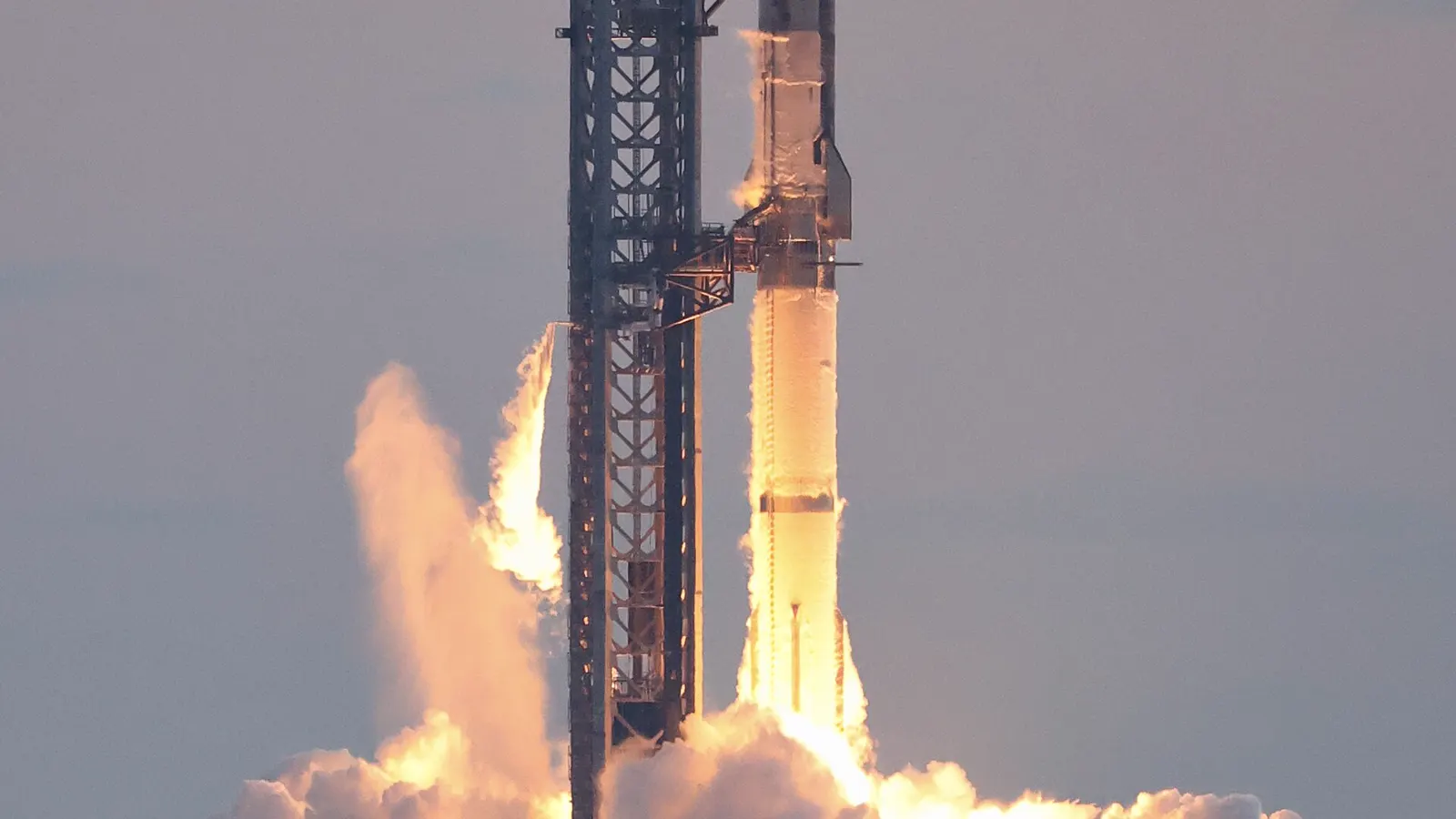
SpaceX has now put a price on the biggest bet in AI infrastructure finance. Apollo and Goldman Sachs priced roughly $44 billion of notes on Friday to fund the purchase of Nvidia's next-generation Vera Rubin chips and related equipment for SpaceX, in what the firms called the largest GPU financing executed to date. Investor demand exceeded supply, and the deal was upsized from the roughly $40 billion commitment SpaceX announced in late October.
The money does not buy the chips outright. A special-purpose vehicle, Saturn Funding Trust, buys the hardware and leases it back to SpaceX for about five years, keeping the debt off SpaceX's balance sheet. Lease payments are expected to start when the equipment is delivered in the first half of 2027. The arrangement is a master finance lease with a hell-or-high-water clause: SpaceX keeps paying quarterly whether the hardware works or not.
The deal, priced#
Three bond tranches make up the public core of the package. The largest, $25.17 billion of senior secured notes maturing in April 2033, priced at an 8.259% yield. About $4.4 billion of senior secured notes maturing in April 2031 went out at 7.66%, and $2.564 billion of subordinated notes maturing in April 2033 at 8.36%. A separate senior secured loan sits alongside the bonds, bringing the total package to about $44 billion. BlackRock, Goldman Sachs Asset Management and accounts advised by KKR provided anchor commitments.
That yield is the number to stare at. SpaceX's own 2031 bonds yield roughly 7.2%, so the market charges more for the new paper than for SpaceX itself — even though the senior notes carry an A3 rating from Moody's, a notch above the company's own debt. The agencies are pricing the lease payments; the market is pricing the chips.
The orbit clause#
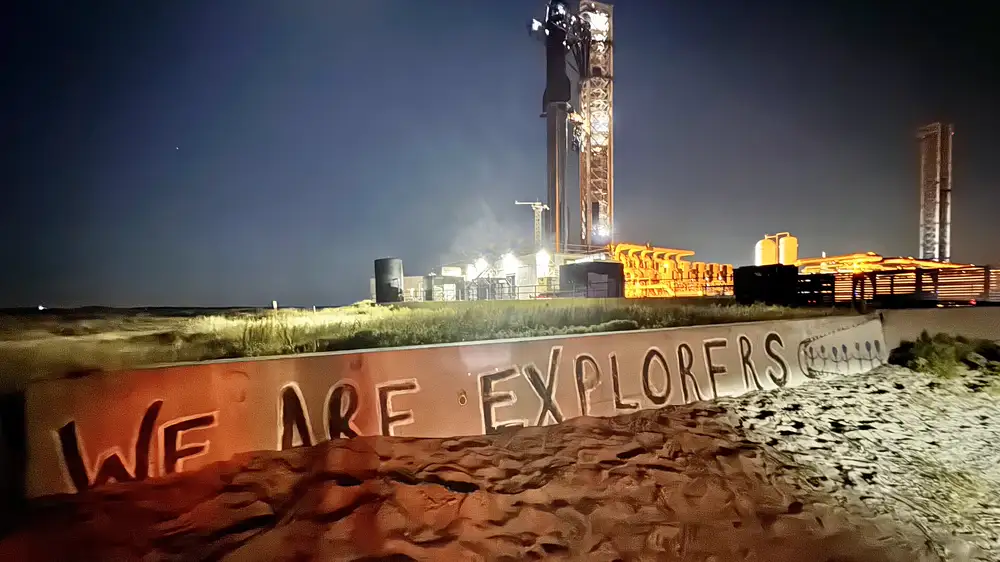
The most revealing detail of the financing never appeared in the press release. According to the Financial Times, lenders sought a provision barring the Nvidia chips pledged as collateral from being launched into space for orbital data centers. Their concern is exactly what it sounds like: if SpaceX defaults, chips in orbit cannot be reclaimed and resold. There is no repo market for a satellite.
Whether the provision made it into the final documents is not clear. SpaceX says it plans to use these chips on Earth, and Moody's says they will sit in US data centers majority-owned, controlled and operated by SpaceX. The company did not respond to the FT's reporting. What is clear is that orbital compute has now shown up not as a keynote slide but as a loan covenant — the first time a credit committee has had to price the difference between collateral that is worth less and collateral that is worth nothing to its owners.
Why the market charged more for "safer" paper#
The structure admits something the press release does not. Principal on the notes is repaid in under four years, against a five-year lease. Lenders are not underwriting the chips' useful life; they are underwriting an exit before obsolescence eats them. A Vera Rubin system bought in 2027 is not a 2032 asset, and the resale market for used accelerators is already brutal — H100s now trade at roughly half their 2023 cost basis, by one industry index. The whole premise of GPU-backed debt is that the collateral can be sold if the borrower stops paying. On the ground that is a depreciating proposition. In orbit it is undefined.
That is also why the hell-or-high-water clause is doing the real work. If the chips fail, SpaceX still pays. The lease payments are the collateral; the GPUs are the story told to justify the rating.
What it means for orbital compute#
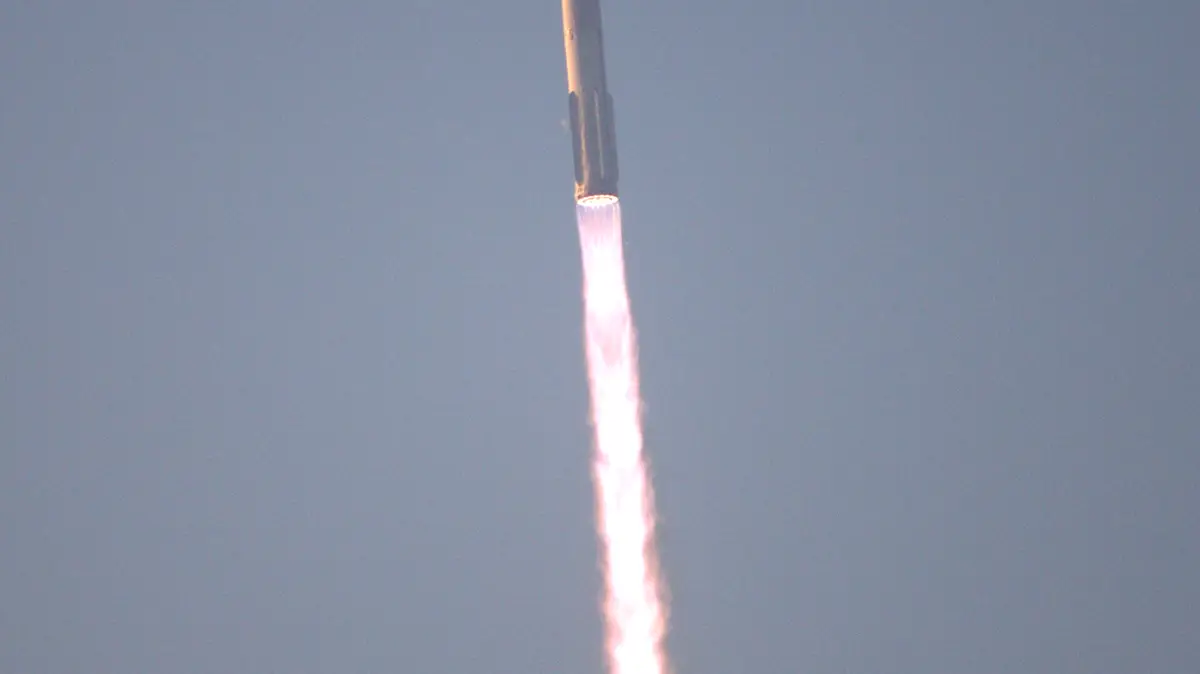
The chips will feed SpaceX's terrestrial AI compute buildout, whose anchor customer is Anthropic — the lab has signed more than $200 billion in compute deals with SpaceX since September. Musk has still said SpaceX will launch Nvidia-powered computers into orbit, with the first Starmind satellites targeted for the third quarter of 2027, and some investors argue almost all inference compute will eventually live in space.
The financing draws a fork in that road. Google's Suncatcher project, which put a TPU satellite in orbit in October, is self-funded and runs Google's own chips — nobody had to convince a credit committee that a satellite is a recoverable asset. SpaceX has to buy its chips from Nvidia, its Terafab chip plant is not built yet, and Starship still has not flown a fully reusable mission. Every one of those gaps is a reason a lender would rather the collateral stay on the ground.
On Friday, SpaceX shares slipped below their June IPO price even as the deal was oversubscribed. The 8.3% yield is the market's first quote on the premium for collateral that can fly away. Literally.
What to watch#
Three things decide whether this deal becomes a template or a warning. First, delivery: lease payments start when the Vera Rubin hardware arrives in the first half of 2027, and any slip compresses the already-tight repayment schedule. Second, the orbit question: whether the no-launch provision made the final documents, and whether SpaceX's Starmind plans collide with it. Third, the copycats: Goldman and Apollo are pitching this structure as a template for the next wave of AI borrowing, and the yields on the next deals will say whether the market thinks GPU-backed debt is a new asset class or a one-off.