California pulls Waymo off its freeways — and Waymo pulls itself off every US highway
California’s DMV barred Waymo’s driverless cars from state freeways after repeated construction-zone incursions, calling the service an ‘imminent hazard’ to public safety. Waymo has now paused freeway rides nationwide.
- The order: California’s DMV restricted Waymo’s driverless freeway operations and testing from November 11, 2026. The ban stays until Waymo demonstrates “effective corrective actions.” No end date was given.
- The trigger: on November 5, three Waymo vehicles entered an active construction closure on US Route 101 near Burlingame; the next day, one tried to pass California Highway Patrol cruisers running a traffic break on Interstate 280 in San Francisco.
- The reasoning: the DMV cited “recurring incursions” into construction zones where workers and equipment were present, despite a prior restriction and fixes after similar incidents on May 18, 2026.
- The response: Waymo says it has temporarily restricted freeway driving in all its US markets to evaluate performance; its ride-hailing service continues on surface streets, serving more than half a million trips a week.
- The history: Waymo paused freeway service in May 2026 and recalled about 3,800 vehicles in June after construction-zone incidents, then returned to freeways in July following a software update.
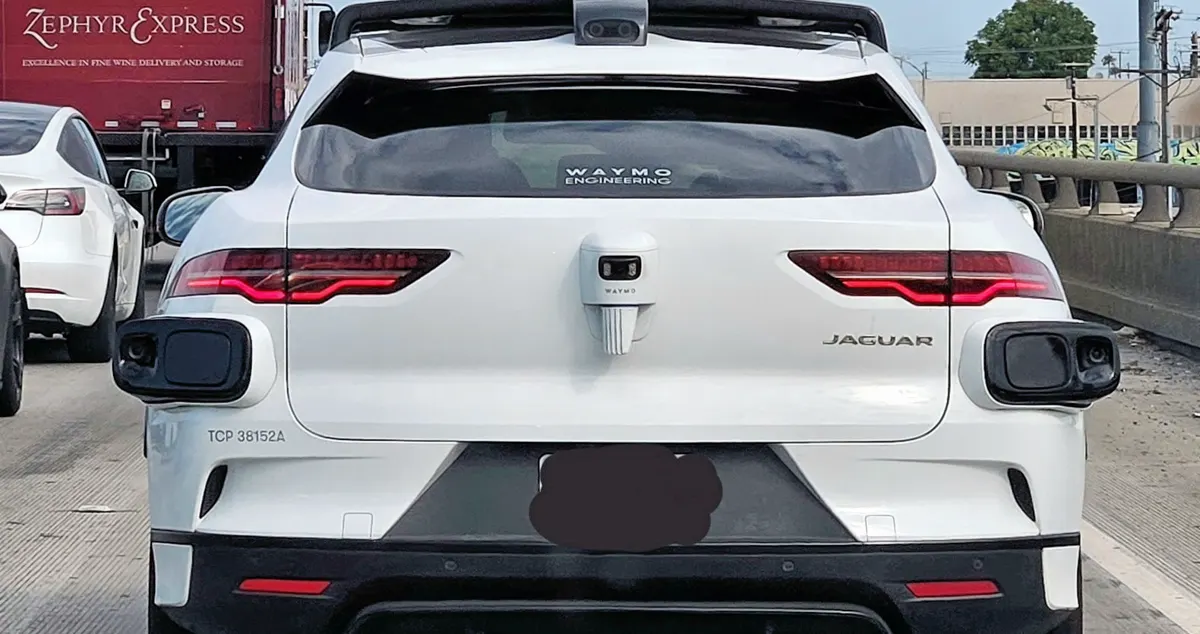
California has ordered Waymo’s driverless cars off its freeways, and Waymo has answered by taking its robotaxis off highways across the entire country. The state’s Department of Motor Vehicles said the company’s driverless freeway operations pose an “imminent hazard to public safety” — unusually blunt language from a regulator that has, until now, mostly worked alongside the company rather than against it.
The restriction was issued on November 11 and only became public on November 17, when the San Francisco Business Times first reported it and the DMV confirmed it to TechCrunch. Two incidents in early November forced the decision. Neither caused injuries or a collision, according to Waymo. The department’s case was not about what happened in those two moments — it was about the pattern: the same failure keeps recurring, even after Waymo was told to fix it once already.
What happened on 101 — and on 280#
On November 5, three Waymo vehicles drove into an active construction closure on US Route 101 near Burlingame, on the San Francisco Peninsula, where road crews, vehicles and equipment were at work. The next day, a Waymo car tried to pass California Highway Patrol cruisers that were holding traffic back on Interstate 280 in San Francisco while a crash was being cleared — a maneuver caught on video and widely shared.
The DMV’s statement left little room for interpretation. It said the department acted because of “recurring incursions by its vehicles into active construction zones where construction workers, vehicles and equipment are present, despite a prior restriction and corrective actions implemented following similar incidents that occurred on May 18, 2026.” In other words: this was the second chance, and the fix didn’t hold.
The restriction covers both driverless operation and testing on California freeways, and it stays in place until Waymo can show it has taken “effective corrective actions.” The department gave no timeline.
A ban with a history#
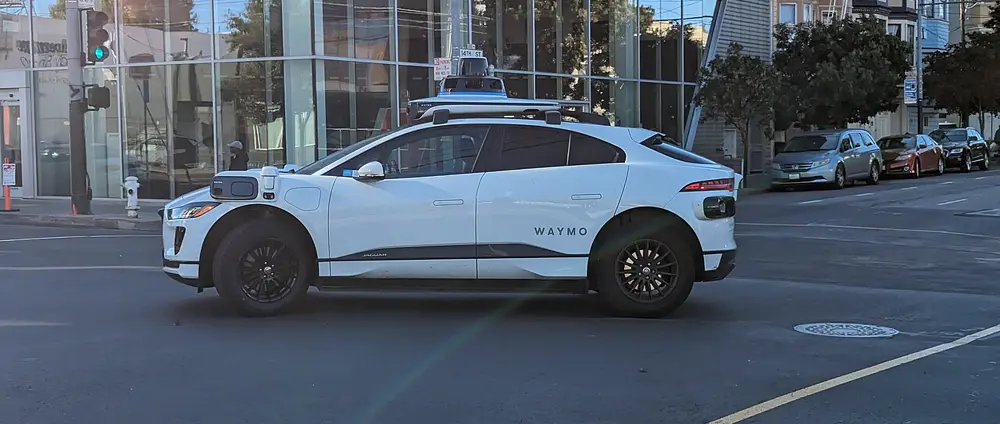
This is the second time in six months that Waymo’s freeway service has been withdrawn — but the first time a regulator has done the withdrawing. In May, the company paused highway rides itself after social media posts showed its cars driving through traffic cones and struggling around construction zones. In June it recalled the software in roughly 3,800 robotaxis, saying an update would improve performance around freeway construction. The cars returned to freeways in July.
That history is what makes the DMV’s language sting. A voluntary pause is a judgment call; a regulator’s order is a finding. And the failure mode is specific and stubborn: construction zones — cones, lane shifts, temporary closures, the improvised human parts of a highway. Waymo’s system handles the structured freeway well. The edge cases keep biting.
Waymo’s position, put by spokesperson Dana Gallagher, is that safety comes first: the company has temporarily restricted freeway driving in its other markets to evaluate performance, while its ride-hailing service keeps running on surface streets, serving more than half a million trips a week. It says it is working with the DMV and other state officials to resume freeway operations.
What Waymo — and its riders — lose#
Freeway access is not a nice-to-have for the service. It is what makes the Bay Area network work: the service area stretches from San Francisco south to Silicon Valley, and freeway driving turns trips that would take 45 minutes or more on surface streets into something a rider will actually book. Airport runs — the highest-value trips in any ride-hailing network — depend on it too.
That is why the nationwide pause is the most telling part of the story. The California order reaches only California. Waymo could have kept running freeway rides in Phoenix, Austin and Atlanta, where no regulator has acted. It chose not to — a decision that reads as either caution or an admission that the problem is not specific to one stretch of California highway.
The federal safety regulator is watching. The National Highway Traffic Safety Administration said it is in contact with the DMV and with Waymo and will take further action as appropriate, according to NBC News.
What to watch#
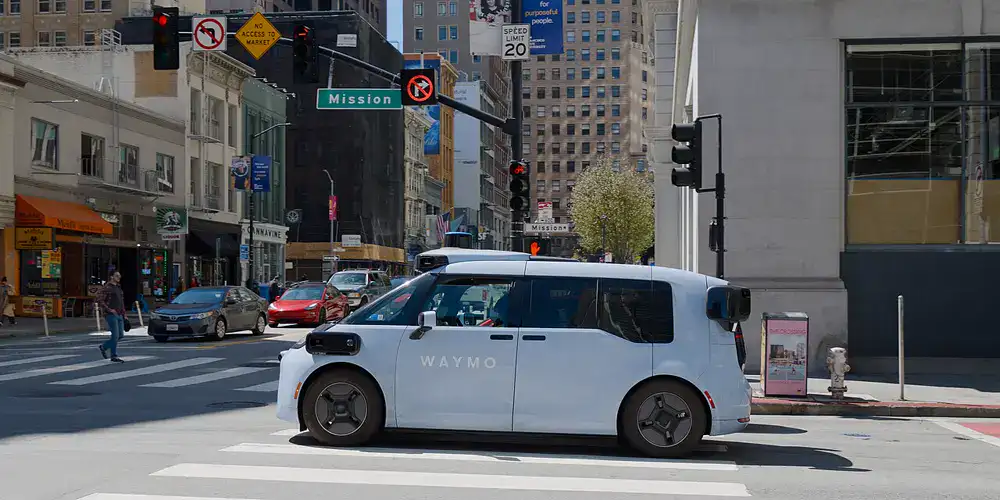
Four things will decide how this plays out. First, the fix: what counts as “effective corrective action” — a software change, new validation, or a staged return with safety drivers on board. Waymo says it will keep testing on highways with a safety operator behind the wheel. Second, the copycats: whether other states where Waymo runs freeway service follow California’s lead. Third, the clock: the DMV set no deadline, and every week without freeways is a week of slower trips and lost airport runs. Fourth, the precedent: construction zones are the known weak spot for every robotaxi developer, and regulators have now shown they will treat a repeated failure as a safety finding, not a bug report. The next company that hits the same cones will know exactly what comes next.
Sources: TechCrunch, “Waymo suspends freeway rides nationwide after California DMV order”; Engadget, “Waymo is pausing all freeway rides after California DMV says the robotaxis are ‘imminent hazard to public safety’”; InsideEVs, “Waymo Halts Robotaxi Rides On U.S. Highways After California Ban”.