Fable 5.2 built a swimmable underwater world in a single 97 KB HTML file — and Reddit is diving in
A Reddit user turned one Claude Code prompt into Abyssal Garden — a swimmable, fully procedural underwater world that ships as a single 96.8 KB HTML file. It took off on r/ClaudeAI within hours.
- Posted to r/ClaudeAI on Saturday, November 14, 2026 at 9:05 AM EST by u/Any-Reputation8118 — 677 upvotes and 78 comments within about 90 minutes.
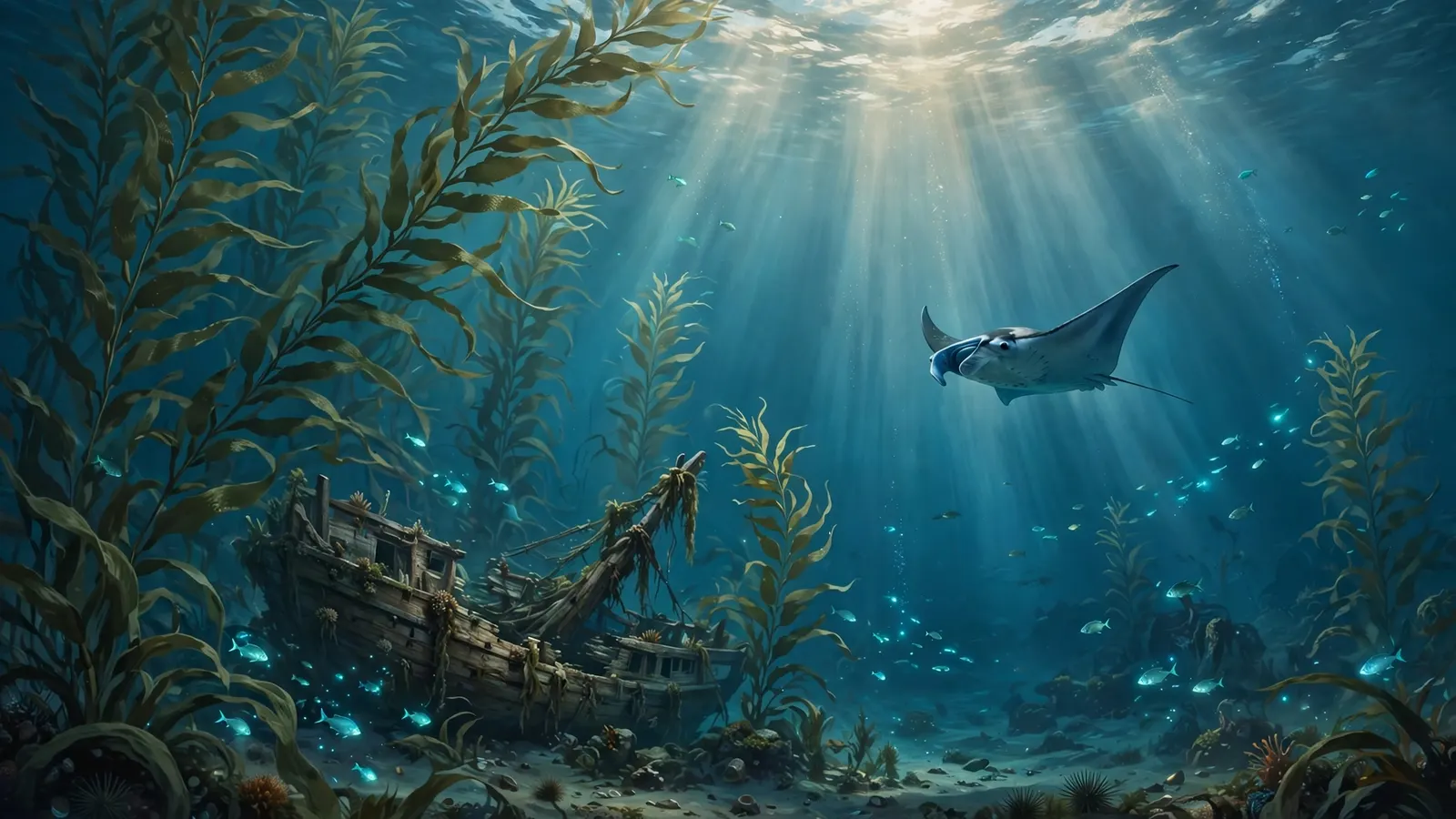
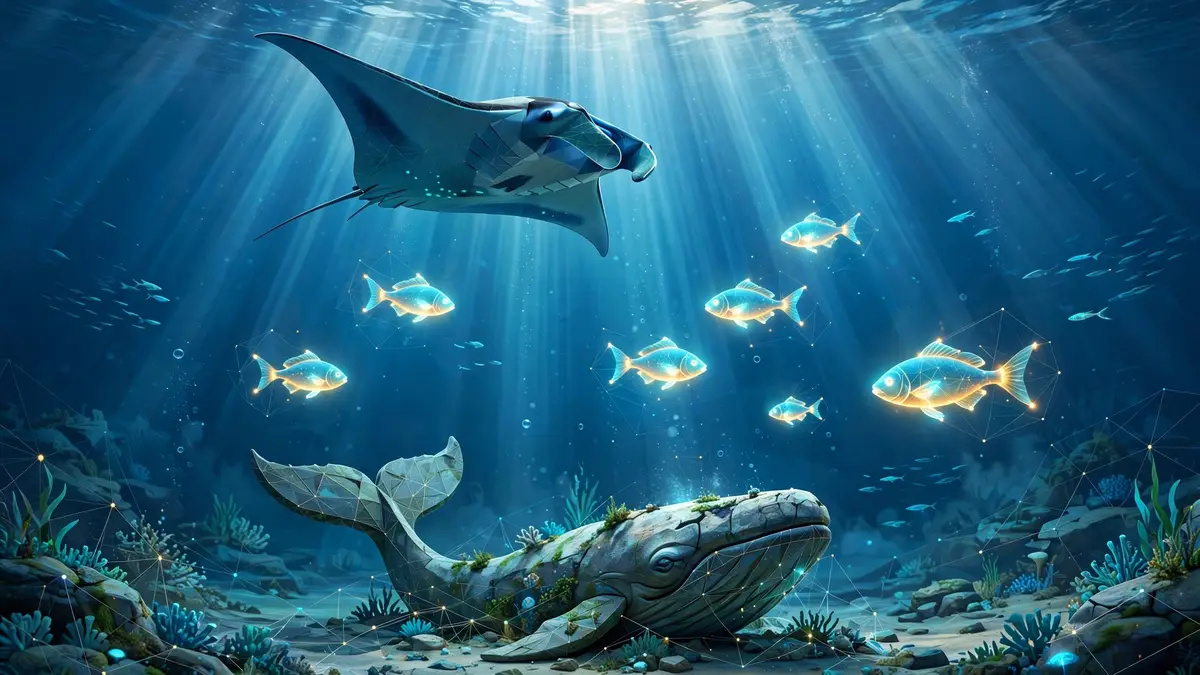
- The world: kelp forests, a sunken ship, a stone whale tail, manta rays and glowing fish under shafts of light — all generated in code at load time, with no image files, 3D models, sound files or libraries.
- The file: index.html, 96.8 KB, a single self-contained page. The repo’s README says it is assembled from a multi-file source tree by a build step — one file delivered, several files authored.
- The build: a single prompt in Claude Code, published in the repo as prompt.txt, set the scene and the constraints — WebGPU, no game engine, everything procedural, a frame-time target — plus a quality selector to trade fidelity for speed.
- The repo: Noniv/abyssal-garden, MIT license, 35 stars and 9 forks at the time of writing; nine commits between November 12 and 13.
- The catch: it needs WebGPU, so Chrome is the recommended browser. Firefox runs at roughly 5 frames a second — a known issue, according to the creator — and at least one phone user reported it not loading.
On Saturday morning, a Reddit user posted a link and a claim that reads like a demoscene dare: an entire underwater world you can swim through, delivered as a single HTML file smaller than most web pages’ hero images. By mid-morning the post had hundreds of upvotes and a thread full of people trying it in their own browsers.
The project is called Abyssal Garden. It is a 3D ocean you navigate in the browser — kelp forests swaying in the current, a sunken ship on the seabed, a stone whale tail, manta rays and glowing fish moving through shafts of light from the surface. Nothing in it is a downloaded asset. Every rock, fish and sunbeam is generated by code when the page loads, which is how the whole world fits into one 96.8 KB file. It was built with Claude Code and Anthropic’s Fable 5.2, and the code is open source under the MIT license. You can try it yourself in the browser — free, no install, no account.
One prompt, one file#
The creator says the first version came out of a single prompt in Claude Code, and the prompt itself is public in the repo as prompt.txt. It set the scene and the constraints: WebGPU, no game engine, everything procedural, and a frame-time target for the creator’s own PC — plus a quality selector so visitors can trade fidelity for speed if their machine struggles.
The repo shows the work did not stop at one prompt. Nine commits landed between November 12 and 13, the latest tuning floating specks in the water. The repository, Noniv/abyssal-garden, is MIT-licensed, and at the time of writing it had 35 stars and 9 forks — small numbers, but the post itself is the distribution channel here, not the repo.
One qualification is worth stating plainly, because the repo states it plainly. The “single file” is the delivered artifact: the index.html you load is one self-contained page with no external assets. But it is assembled from a multi-file source tree by a build step — the README says as much. So the file you download is one file; the file the creator authored was several. That does not dent the achievement much — shipping a working interactive 3D world as one page is the trick — but it is the accurate version of the claim.
What the thread actually argued about#
Nobody in the top comments disputes the file size or the procedural claim. The pushback is about novelty. Several commenters point out that the demoscene has been squeezing procedural worlds into tiny files since the 1980s and 90s — the 64K and 4K demos did this first, and did it on hardware that makes a modern laptop look absurd. Others note the practical limit: the ocean cannot grow much without the file growing with it.
The creator’s replies are part of the story. The floating rocks some visitors flagged as a bug are intentional, kept because they look like “alien floating islands.” Commenters also note the world is seeded, so the same seed produces the same ocean — the procedural generation is deterministic, not random each visit. And there are real caveats: Firefox runs at roughly five frames a second, which the creator says is a known issue, and at least one user reported it not loading on their phone at all, even though the creator says phones load and play on the low-quality setting.
Why it matters#
This is the third kind of Fable 5.2 demo to blow up on Reddit this week — after a painting executed in MS Paint and a 55-second motion-graphics film — but it is the first of the three that is interactive rather than a recording. That is the difference that matters. With the film and the painting, you watch a video of what the model did. With Abyssal Garden, the artifact is the thing: you do not watch a world, you swim in it, in your own browser, minutes after reading the post.
It also shows where long-horizon coding agents are heading. The interesting unit here is not the model, it is the loop: one prompt to set the scene and the constraints, then a few rounds of looking at the result and fixing what is wrong. A single prompt plus nine small commits produced a working, shippable, interactive 3D experience that strangers can open from a link.

And the distribution is new too. There is no app store, no install, no account, no build step for the user. A link and a browser with WebGPU support is the whole deployment pipeline — which is also why the WebGPU requirement is the real gating factor. The demo needs a capable browser, and in our check the page loaded to its title screen but could not render the world without a WebGPU adapter. Chrome is the recommended route.
What to watch: whether the creator keeps building — the repo is two days old and already on its ninth commit — whether the Firefox performance issue gets fixed, and whether the next viral Fable demo is something you can play with rather than watch. The pattern this week suggests the playable ones travel furthest.