Nick Bostrom: superintelligence could extend lives to 1,200 years — and Reddit is pushing back
A 68-second clip of Nick Bostrom arguing that superintelligence could stretch human lives to 1,200 years or more has 3.5 million views on X and 500+ comments on Reddit — where the top replies are asking for the evidence, not the optimism.
- The clip: 1:08 of Bostrom speaking to camera, cut from a 38:48 a16z interview published November 19, 2026; the segment is chaptered at 15:51 as “The cost of delaying superintelligence.”
- The spread: Garry Tan posted the cut on X at 8:21 a.m. ET on November 25 (3.5M views, 7.3K likes); u/Neurogence posted it to r/singularity at 12:07 p.m. (226 upvotes, 517 comments by 6:20 p.m.).
- The claim: superintelligence “could radically extend the lives of existing people to 1200, 1400+ years” — Bostrom’s words in the clip, offered as a lower bound, not a study or a forecast.
- The pushback: the top-voted comment questions whether undying people are even a good thing; another calls the figure unprovable, noting aging research needs decades of human testing.

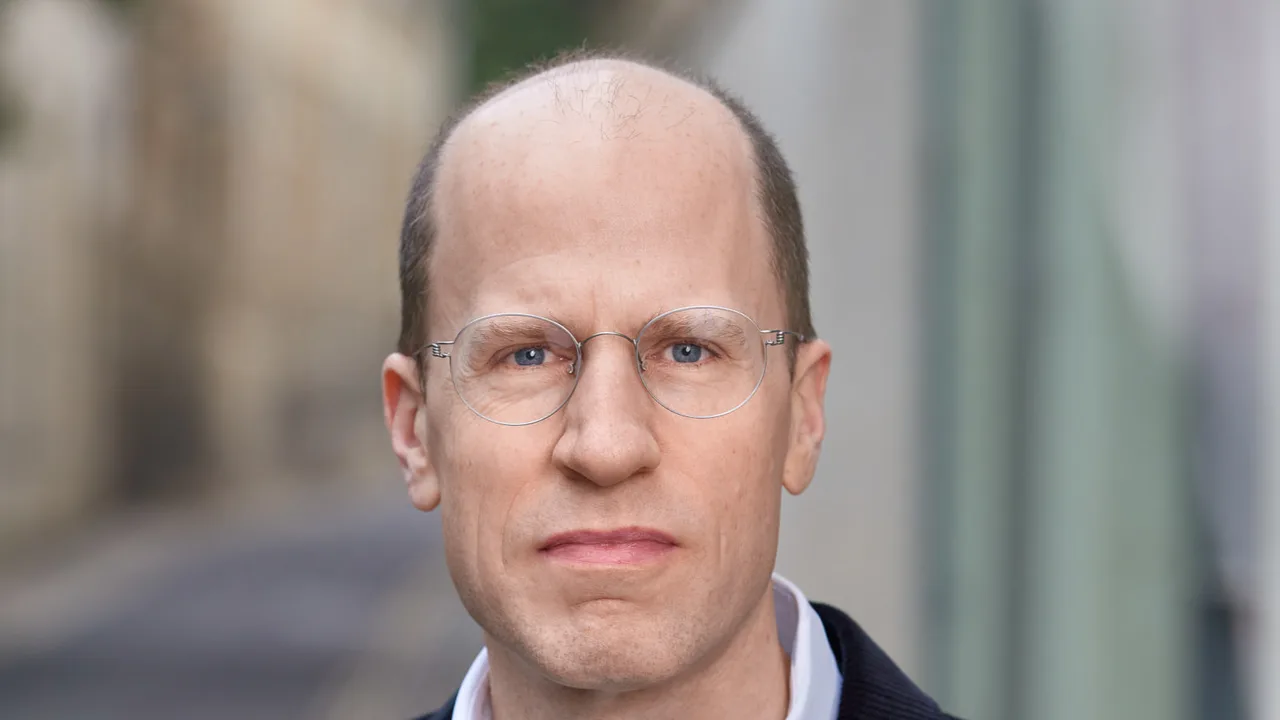
The clip landed on X at 8:21 on Wednesday morning, and it did not stay a quiet philosophy seminar for long. Garry Tan, Y Combinator’s president and CEO, posted a 68-second cut of Nick Bostrom speaking straight to camera, and by the evening it had been viewed 3.5 million times. Hours later it reached r/singularity, where u/Neurogence posted it at 12:07 p.m. ET; by 6:20 p.m. the thread carried 226 upvotes and 517 comments — most of them arguing with the clip rather than applauding it.
Bostrom’s pitch is a reversal. Where the usual warning runs “if anyone builds it, everyone dies,” Bostrom flips it: if nobody builds superintelligence, everyone dies anyway — of aging, of disease, of everything medicine cannot yet fix. In the clip he puts numbers on the upside, saying superintelligence could “radically extend the lives of existing people to 1200, 1400+ years, and that’s the lower bound.” He opens with the scale of the stakes: 95% of the people who have ever lived are already dead, and the rest of us, he says, are on track to follow within a few decades.
What Bostrom actually says#
The argument is not new for Bostrom — the Oxford philosopher’s 2014 book Superintelligence helped define the modern debate about machine minds that outstrip our own — but the packaging is. In the clip he is not weighing probabilities or hedging about timelines. He is making a moral case for speed: the cost of moving slowly is measured in lives that end while the technology is still being debated. That framing — delay as its own kind of harm — is the thread running through the whole interview, and it is the part the clip isolates.
Where the clip comes from#
The 68 seconds are cut from a 38-minute conversation a16z published on November 19, titled “Why Nick Bostrom Thinks Superintelligence Could End Aging.” Bostrom sat down with a16z’s Eddy Lazzarin and Elena Burger to talk about what people misunderstand about his views, what “deep utopia” means, and what human purpose might look like in a world with superintelligence. The segment the clip draws on is chaptered at 15:51 as “The cost of delaying superintelligence.”
The clip travelled in stages. Burger posted a longer 1:55 cut of the same footage on November 19; Tan quote-posted her version on November 25 with the tighter 68-second edit and a line framing it as under-appreciated. It was Tan’s cut, not the full interview, that did the 3.5-million-view numbers — and it was Tan’s cut that Reddit picked up.
Bostrom’s own position in the full interview is more careful than the clip alone suggests. The interview’s description has him arguing for “pacing the frontier” — keeping the ability to slow down when safety falls behind, without letting a temporary pause harden into permanent stagnation — and for weighing the cost of waiting, in disease and poverty and shortened lives, against the risks of moving fast. That nuance matters, because the clip on its own reads as a call for speed above all else, and the Reddit thread noticed the gap.
Reddit’s verdict: prove it#
The most-upvoted comment in the thread, from u/clandestineVexation at 139 upvotes, does not dispute the number at all. It disputes the desirability: an ecosystem of undying, unchanging people, the comment argues, would be a bad thing — new people and new experiences are good, and there is comfort in knowing even the worst people eventually die. The replies push back on that too, with u/moviemaker2 calling it “cultural death apologism” and arguing that an ageless brain would stay plastic, and others suggesting a few hundred years with an opt-out would be the sane version.
The second-highest comment is shorter and sharper — u/No_Caramel_1782, at 88 upvotes: “Lol and LMAO. Infinite lives and free money are right around the corner.” And the sharpest factual challenge comes from u/KSaboruf, who calls the 1,200-year figure unprovable and makes a methodological point: biology is the slowest research branch because aging itself is slow, and any intervention has to be tested for literal decades on real people. Corners, the comment argues, cannot be cut — so a claim of 1,200-year lives without hundreds of years of continuous research behind it is not a forecast, it is hype.
Others in the thread make the same point from different angles. u/ZestycloseWheel9647, at 22 upvotes, finds it jarring to hear Bostrom make the case at all, noting that his own book “fairly thoroughly dismantles this exact argument” — the promise of great things does not outweigh the real existential risks. A reply from u/dumquestions adds the correction Bostrom’s defenders keep returning to: his conclusion is that superintelligence should not be delayed more than necessary, not that no factor could ever justify delaying it. And u/Sea-Temporary-6995 asks the question the whole thread is circling: “Why 1200? Why not 2400 years bro” — mocking the arbitrariness of a number offered without a method.

None of the top comments verifies the figure with evidence, and none needs to: the clip offers no evidence either. The 1,200-year number arrives as a spoken aside in an interview, not as a paper, a model or a measurement.
What the 1,200-year number is — and isn’t#
That is the distinction the article has to hold onto. Bostrom’s figure is a claim about what superintelligence could do, stated as a lower bound, in conversation. It is not a peer-reviewed finding, and neither the clip nor the interview presents the research programme that would get there. The sceptics in the thread have a real point about method: even with vastly better science, proving an intervention extends life by centuries would take centuries of observation — you cannot fast-forward a lifespan study.
But the sceptics’ case has its own gap, and the thread’s defenders spot it. u/moviemaker2’s reply to the dismissive comments runs a thought experiment: show someone from 1826 a list of modern facts — eight-hour flights across the Atlantic, pocket telephones, moon landings, eradicated smallpox, organ transplants — and ask which one they would call impossible. The point is not that 1,200-year lives are therefore likely; it is that “no one has shown how” is a weak objection to a claim about a technology that does not exist yet. Both sides are arguing about a future neither can measure, which is exactly why the clip travels so well: it is a Rorschach test with a number attached.
What is verifiable is the shape of Bostrom’s argument, and it is worth stating plainly. He is not claiming a 1,200-year life is around the corner, or that any lab has a path to it. He is claiming that the price of not building superintelligence is the continuation of ordinary mortality — and that, once you weigh that price honestly, the case for building it, carefully and quickly, gets much stronger. Whether that weighing survives his own book’s warnings about existential risk is the question the thread keeps coming back to, and it is a fair one: the same week, AI leaders were publicly clashing over whether humanity should hand control to superintelligence at all.
What to watch#
Three things will tell us whether this clip was a one-day argument or the start of something. First, whether longevity researchers answer the methodological challenge — is there any credible path from superintelligence to a tested 1,200-year lifespan, or does the testing bottleneck make the number meaningless? Second, whether Bostrom himself returns to the figure with more than an aside, in writing, where it can be examined rather than clipped. And third, whether the delay-versus-risk debate he is really making — the cost of waiting weighed against the cost of rushing — keeps pulling in the people who disagree with him most, as it did in this thread. The clip’s 3.5 million views say the question lands. The 517 comments say nobody agrees on the answer.
Sources: r/singularity, “Nick Bostrom: If Nobody Builds ASI, Everyone Dies. ASI Can Extend Human Life Expectancy To 1200+ Years” (u/Neurogence, November 25, 2026); Garry Tan on X (November 25, 2026); a16z, “Why Nick Bostrom Thinks Superintelligence Could End Aging” (YouTube, November 19, 2026); a16z on X (November 19, 2026).
Frequently asked questions
Where does the Bostrom clip come from?
The 68-second clip is cut from a 38-minute a16z interview with Nick Bostrom published on November 19, 2026, titled “Why Nick Bostrom Thinks Superintelligence Could End Aging.” Y Combinator president and CEO Garry Tan posted the shortened cut on X on November 25, 2026, where it drew 3.5 million views.
Did Bostrom really say lives could reach 1,200 years?
Yes, in the clip he says superintelligence “could radically extend the lives of existing people to 1200, 1400+ years, and that’s the lower bound.” That is his claim in conversation, not a study, a model or a verified forecast — no evidence for the figure is presented in the clip.
Why is Reddit sceptical of the claim?
The most-upvoted replies argue the number has no method behind it: aging research needs decades of testing on real people, so a centuries-long lifespan cannot be verified quickly. Others question whether living 1,200 years would even be desirable, and some note the tension with Bostrom’s own book Superintelligence, which warns about the existential risks of the same technology.