Five frontier AIs 3D-printed load-bearing bridges. Opus 5.5's held ~130 lb — nearly 5× the runner-up
Five frontier AIs were each given 500 grams of plastic and told to engineer the strongest bridge they could. The load test on camera reportedly ended with one design holding ~130 lb — nearly five times the runner-up. r/singularity took it seriously.
The weekend's fastest-rising AI video on Reddit isn't a demo of pixels — it's a demo of physics. A 79-second clip posted to r/singularity on Sunday afternoon shows five frontier AI models each given the same engineering brief: design the strongest bridge you can with 500 grams of plastic, 3D-print it, and hold it up to a load test on camera. According to the poster, Claude Opus 5.5's design held roughly 130 lb — nearly five times the runner-up.
The post, by u/141_1337, landed at 5:01 PM EDT and had gathered over 300 upvotes within two hours — the highest velocity of any video in this weekend's sweep. A mirror of the clip is on YouTube under the title “Which AI designs the best bridge? (Agent Wars, Ep 02)”, suggesting this is the second installment of an ongoing physical-benchmark series.
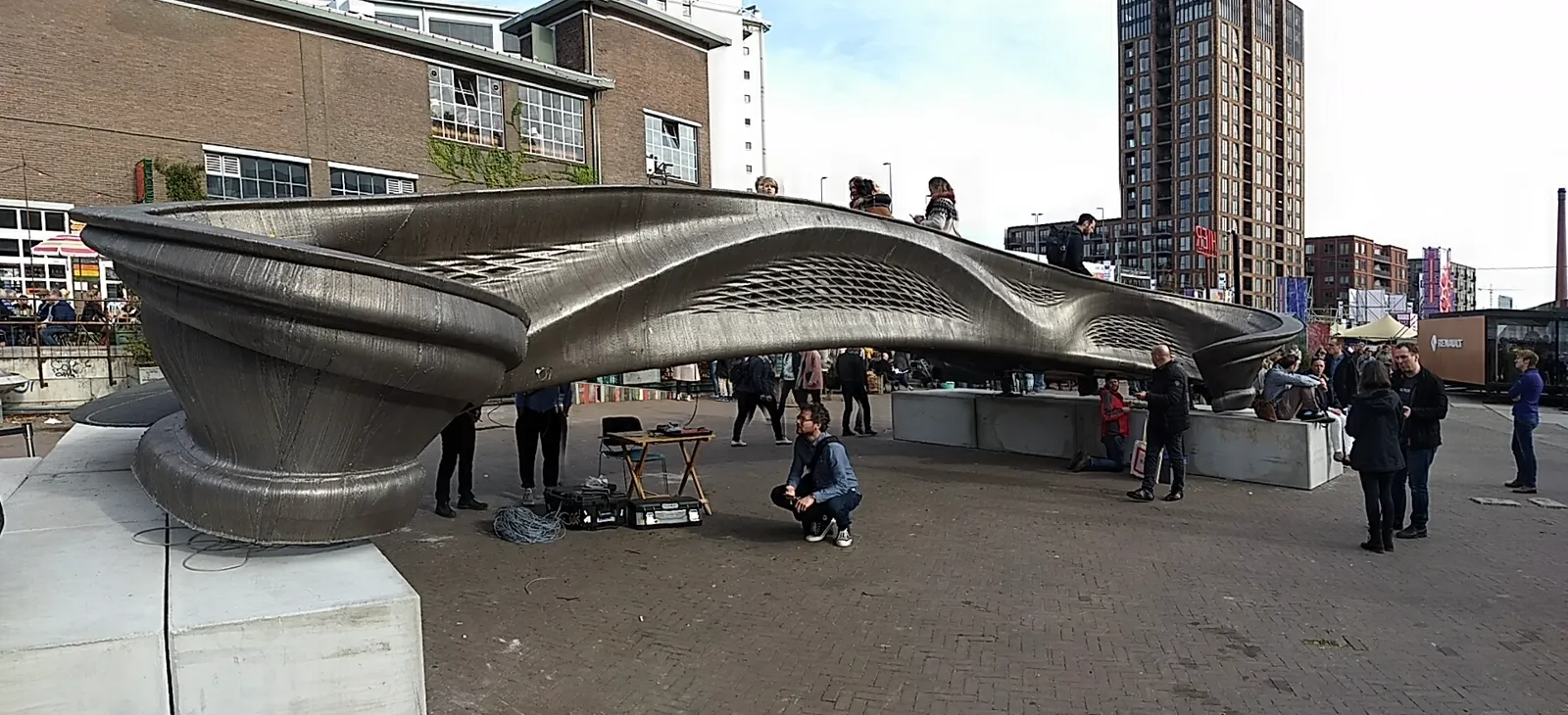
The test — and what's claimed#
The setup is elegantly simple: a fixed material budget, a single performance metric, no partial credit. Each model has to produce an actual engineering design — presumably geometry, trusses, load paths — that a real 3D printer can fabricate, and then the printed bridge either holds weight or it doesn't. There is no dataset to overfit and no judge to charm. Physics is the grader.
That's what makes the reported result land so hard: Opus 5.5's bridge allegedly carried ~130 lb, about five times what the next-best design managed. The spread matters more than the absolute number. A 5× gap between the top two designs from the same plastic budget says this wasn't a coin flip between similar models — it was a genuine design gap. (All of the headline numbers — the five contenders, the 500-gram budget, the 130-lb result — come from the poster and the video itself; there's no independent measurement published alongside it.)
Reddit's verdict: no debunk, but one good caveat#
Notably, the comment section treats the footage as genuine — nobody claims the video is faked, staged, or recycled. The thread's sharpest criticism is methodological, not forensic. The top caveat asks for the obvious: run the same contest many times before declaring a winner, because a single sample can't separate a genuinely better design capability from a lucky run. Another commenter questions whether the models used different materials, which would complicate the comparison.
But the dominant note is enthusiasm. “Now this is a benchmark I can stand on,” one commenter wrote — and the line captures why the thread took off. After years of leaderboard scores that move when the prompting changes, a benchmark where the object either breaks or holds feels like a breath of real air. It is hard to game a scale.
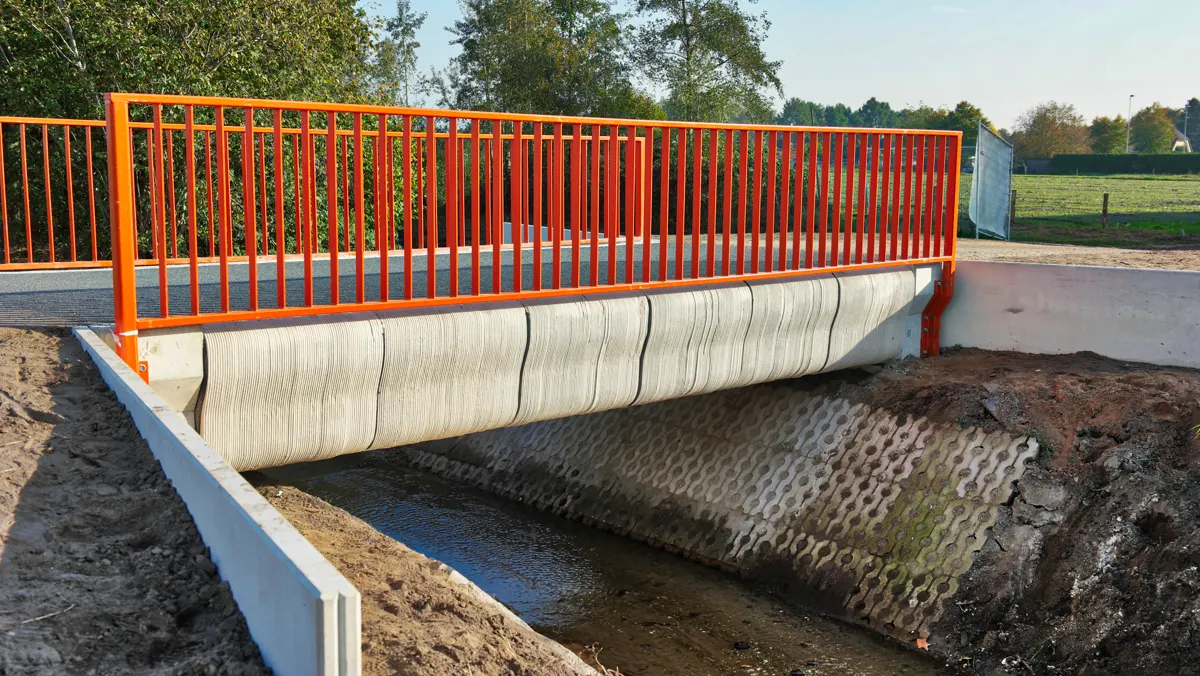
Why a bridge is the benchmark AI needed#
Language models can talk their way around most evaluations; a bridge can't be talked across. The task forces the model to do something LLMs are famously shaky at: spatial, structural reasoning under hard physical constraints, where every gram of plastic has to earn its place. A model that reasons well on paper but produces unprintable or self-defeating geometry fails in public, on camera.
This is also a different kind of “agentic” test than the ones filling the discourse. Not “can the agent book a flight,” but “can the agent engineer something that exists in the world?” It's the same instinct behind this weekend's other hardware-thread hit: a supposedly AI-designed rocket engine that Reddit dissected on our site earlier today — with considerably more skepticism. This bridge clip got a friendlier reception, and the asymmetry is telling: real metal, real weight, and a result you can film tends to quiet the hype detectors.
What to watch#
One load test is a great clip; a benchmark series is a real signal. Three things to follow:
- Repeats and rematches. The thread's best request: run it again. If Opus 5.5's design advantage persists across materials, spans, and load conditions, it's a capability — not a lottery ticket.
- The other four designs. A 5× gap invites the question of what the runners-up did wrong. The failure modes of AI-engineered structures may teach more than the winner.
- Who else builds the physical-benchmark circuit. “Agent Wars” is episode two; if the format survives contact with more commenters like these, expect every lab to start shipping its own gravity-based leaderboards.
Talk is cheap; weight is not. The next era of AI benchmarking might be decided not by a leaderboard, but by a scale.
Sources
- “Five frontier AIs were told to engineer and 3D-print the strongest bridge they could with 500 g of plastic. Claude Opus 5.5's design held ~130 lb, nearly 5× the runner-up” — u/141_1337, r/singularity (Reddit, September 27, 2026)
- “Which AI designs the best bridge? (Agent Wars, Ep 02)” — YouTube mirror of the load-test video