Data centers pay 40% of one Virginia county’s taxes — and Reddit says that’s exactly why nobody else can copy it
A 50-second WSJ clip of Loudoun County’s economic development chief went viral on r/singularity: $1.2 billion a year in tax revenue, about 40% of the county’s total, from data centers on 3% of its land. The top comment’s verdict: Loudoun is the exception, not the model.
- The clip: a 50-second Wall Street Journal interview posted to r/singularity on November 7 by u/141_1337 — more than 420 upvotes and 130 comments at last check.
- The numbers: data centers produced $1.2 billion in fiscal year 2026, about 40% of Loudoun County’s tax revenue, while occupying roughly 3% of its land — more than 230 buildings and about 55 million square feet.
- The speaker: Buddy Rizer, the county’s executive director of economic development since 2007, who spent nearly two decades recruiting the industry and branding the county “Data Center Alley.”
- The catch: the top comment says Loudoun is the exception — other regions must grant 10- to 20-year tax exemptions to attract data centers, so they see no revenue for years.
- The context: the windfall let the county cut its property tax rate every year for a decade, from $1.145 to $0.805 per $100 of assessed value; fiscal 2027 is projected at $1.3 billion.
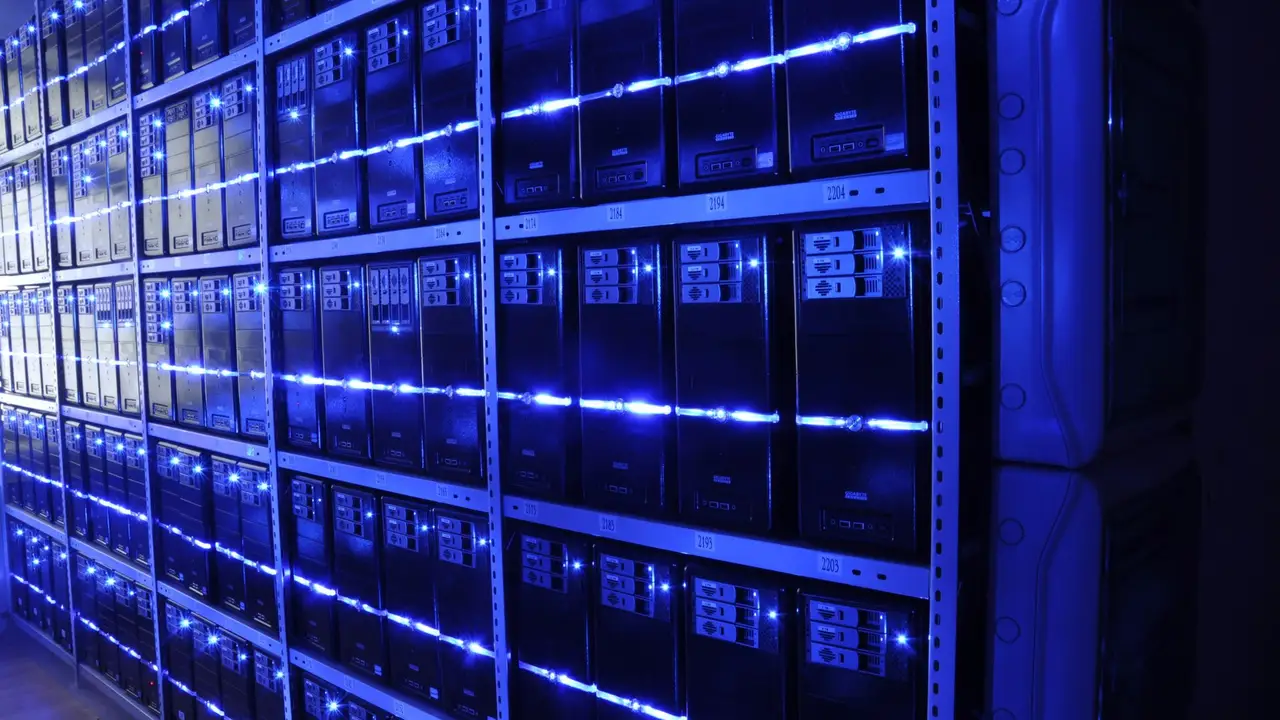
The most-shared AI infrastructure clip on Reddit this weekend is not a demo. It is 50 seconds of a county official talking about taxes — and it landed because the numbers in it sound impossible. Posted to r/singularity on Saturday morning, the clip had gathered more than 420 upvotes and 130 comments within hours, and the argument underneath it is more interesting than the clip itself: is Loudoun County, Virginia proof that the AI buildout pays for itself, or proof that only one county in America got the deal?
The video is a Wall Street Journal interview clip, marked with the paper’s logo, showing Buddy Rizer, Loudoun County’s executive director of economic development. Rizer has run the county’s economic development office since 2007, spending that time recruiting data center operators and branding the county “Data Center Alley.” The clip comes from the Journal’s October reporting on the county, and the figures Rizer states on camera match the ones attributed to him in the accompanying article.
What the clip actually says#
Rizer’s point is a contrast between what the county planned and what it got. The original idea, he says, was modest: use the fiber loop and the internet exchange already running through the area, use a reclaimed-water line, and fill buildings that were already standing. Instead the county ended up with about 55 million square feet of data centers. The payoff is $1.2 billion a year in local tax revenue — about 40% of everything the county collects — from facilities sitting on roughly 3% of its land. “Quite a return on investment,” he says.
The county’s own budget documents back the headline numbers. Data centers produced about $1.2 billion in property tax in fiscal year 2026, close to 40% of the county budget, and the adopted fiscal 2027 budget projects about $1.3 billion, again roughly 40%. The scale behind the figures: more than 230 data center buildings, described by the county as the largest concentration anywhere. Residents have felt it in their bills — Loudoun has lowered its real property tax rate every year for a decade, from $1.145 per $100 of assessed value in 2016 to $0.805 in 2026.
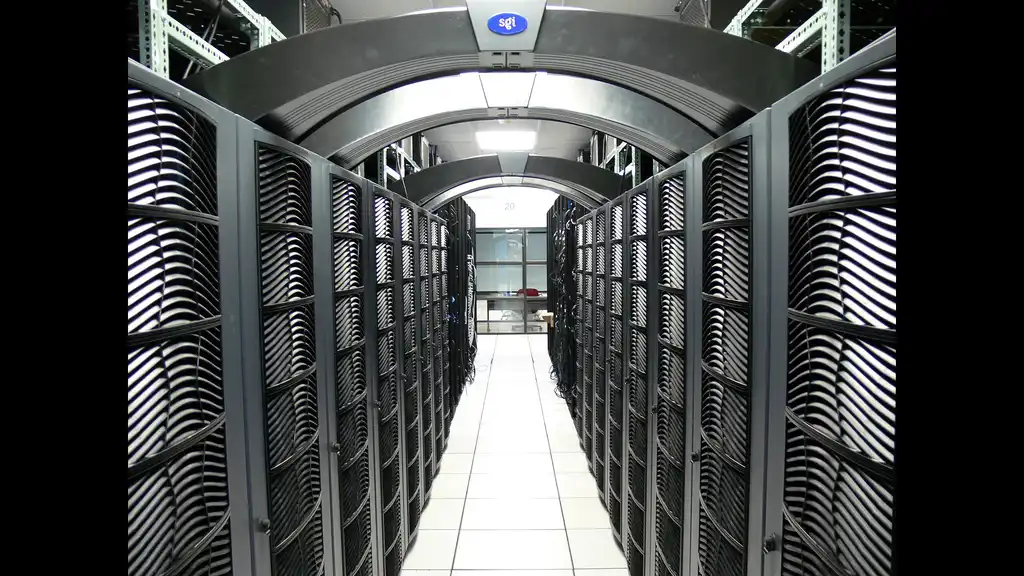
Why the top comment says Loudoun is the exception#
The highest-rated reply, with more than 100 upvotes, does not dispute the numbers. It disputes what they prove. Loudoun, the commenter argues, attracted data centers before AI made them fashionable, because the fiber and the internet exchange were already there — so the county could charge full property taxes and operators still came. Other places have to offer exemptions and abatements to get anyone to build, which means they would not see tax revenue for a long time, usually 10 to 20 years. “Stop using Loudoun County as an example, it is an exception,” the comment reads.
Another commenter backed that up with a list of deals elsewhere: a 20-year tax exemption for Google in Council Bluffs, Iowa; 20-year property tax exemptions for Facebook and Microsoft in Des Moines and Altoona; a Google site in Jackson County, Alabama paying no property taxes for 30 years on a $1-a-year land lease; more than $200 million in local property tax breaks for Amazon, Meta and Google in New Albany, Ohio; and decades of abatements for Microsoft and Google around Goodyear and Mesa, Arizona. Those are commenters’ claims rather than verified reporting, but they frame the thread’s central question sharply: Loudoun got the revenue because it was first and already wired. Everyone arriving now has to pay for the privilege of being second.
The 40% figure everyone misread#
Part of the thread tripped over what 40% means. A few commenters read it as a 40% increase — a sudden windfall — and asked where the extra money was going. It is a share, not a surge: data centers have been paying roughly this proportion for years, and the revenue has been in the county budget for two decades. One commenter who says they live in the county answered that the money funds the schools, and that the county has built ten of them in the past eight years. The revenue is also not mostly tax on the buildings: one commenter noted the county taxes the computer equipment inside each facility, at 4.15% of the hardware’s assessed value, and that is the primary driver. And the land figure may understate the deal — another commenter put built and planned sites at only about 1.5% of the county, with a further 1.5% zoned for possible future use but undeveloped.
The costs the clip leaves out#
The clip is a celebration, and the thread supplied the counterweight. The sharpest objection is power: one commenter put data centers at 15 to 25% of Virginia’s electricity consumption, with demand expected to double in four years. Others raised noise, water use, and what happens if the buildout slows — a county funding 40% of its budget from one industry has a concentration problem, not just a windfall. Loudoun itself seems to agree, at least in part: the county ended by-right data center development in March 2025, and in September 2026 the Board of Supervisors voted 7-1-1 to pause new applications while it writes new rules. The Journal’s own headline captured the turn: data centers cut property taxes and funded public projects, so why is the county hitting the brakes? The reporting’s answer is that the county is running out of viable land, residents near the sites are pushing back, and officials are unsure how much further the model can stretch.
Why it matters#
Every county in America with cheap land and a power line is currently asking Loudoun’s question: what is a data center worth to us? The clip went viral because it seems to give the answer in one line — 40% of the budget for 3% of the land — and the thread went long because that answer turns out to be mostly unrepeatable. Loudoun’s deal depended on an internet exchange, a fiber loop, and two decades of recruitment that started before anyone was talking about AI. The rest of the country is negotiating from the other side, offering tax holidays to win facilities that may not pay full taxes until the 2040s. That is the context for the buildout’s current scale: Meta is raising $95 billion to fund its buildout, and SpaceX signed a $40 billion lease for Nvidia’s Vera Rubin chips — but almost none of that lands as local tax revenue on day one. Loudoun shows what the end state can look like when the bet pays off over twenty years. The thread’s verdict is that the end state is real, the numbers are real, and the path there is not for sale.
What to watch#
Three things will decide whether Loudoun stays the exception. First, what the county’s zoning pause produces: stricter rules could cap the industry just as its tax contribution plateaus, forcing the first real budget test in years. Second, whether the counties now offering 10- to 20-year exemptions ever collect — their deals only pay off if the facilities are still there, and still valuable, when the holidays expire. Third, the power question: if Virginia’s grid cannot keep up with demand that doubles in four years, the constraint on the next Loudoun will not be land or taxes, but electricity. The clip is 50 seconds long. The argument underneath it will run for years.
Sources: the original post by u/141_1337 on r/singularity; the Wall Street Journal’s October 2026 reporting on Loudoun County, syndicated by Lee Enterprises; Loudoun County fiscal 2026 and 2027 budget figures via Data Center News and Internewscast; background on Buddy Rizer via Commercial Observer. Commenter claims about tax exemptions in other states are reported as thread claims, not independently verified. The photographs are CC-licensed via Wikimedia Commons.