A 3-minute animated film about AI and the craft of programming has Reddit in a philosophical spiral
A painterly short film starring a weary programmer and a very calm praying mantis hit r/ChatGPT this morning — and the thread underneath it turned into one of the most honest debates about AI, craft and livelihoods the site has had in a while.
- The post: r/ChatGPT, Thursday November 19, 5:47 a.m. EST; a 2:57 Reddit-hosted video, a vertical repost of a TikTok by @bennett.reloaded; 940 upvotes and 196 comments at reading.
- The film: a painterly, Van Gogh-style animated dialogue between an older programmer, Dave, and a praying mantis about AI coders who “never put in the time”.
- The argument: the mantis reframes the complaint — is it the time you respect, or what the time made? Nobody takes programming from you; what ends is the part where anyone needs you to.
- The split: the top comment calls the film “profound”; the sharpest critique says its central line is a strawman — people weren't just attached to being needed, they were paid.
- The creator: @bennett.reloaded on TikTok; a commenter links the original on the creator's YouTube channel, @bennettreloaded, “better quality and in landscape mode”.
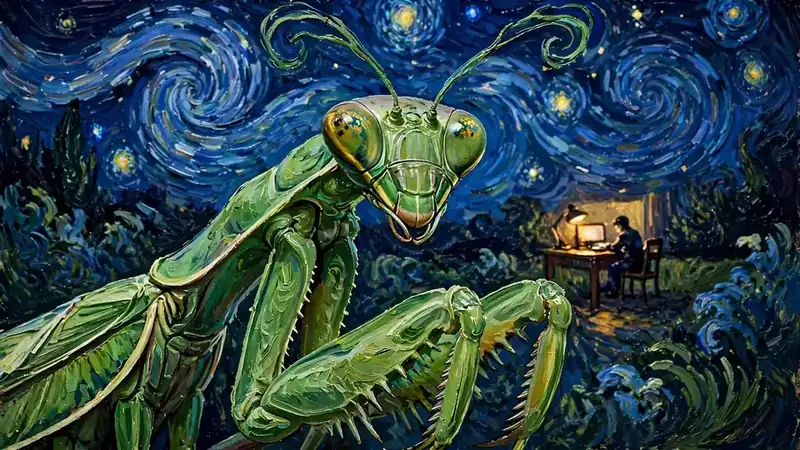
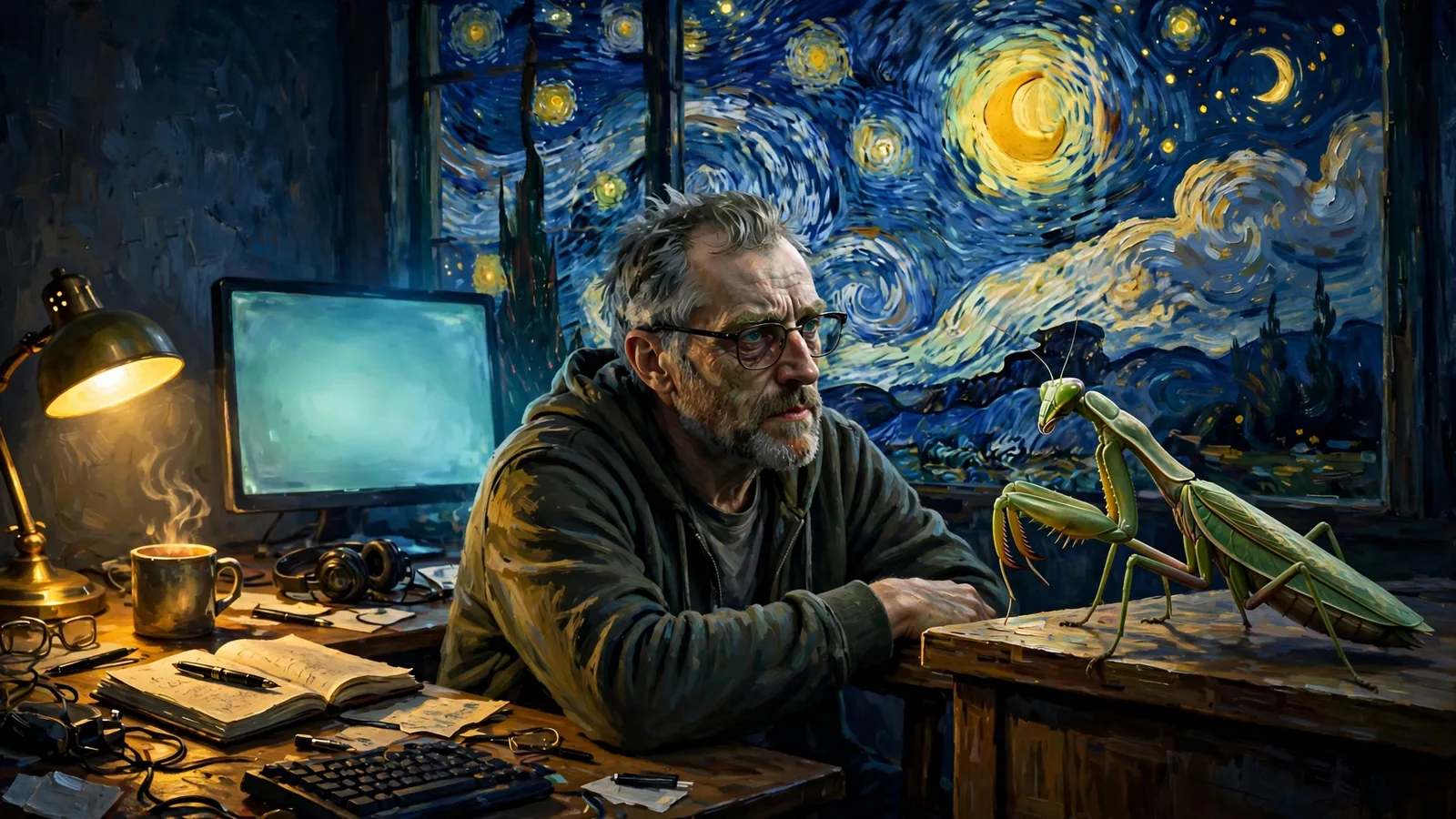
The video is two minutes and fifty-seven seconds long, vertical, and mostly a conversation between a man and an insect. It still drew 940 upvotes on r/ChatGPT before lunch on Thursday. What it shows is a weary programmer, Dave, telling a praying mantis that the new AI coders never put in the time, never learned what's under the hood — and the mantis, calm and unbothered, talking him out of it, one analogy at a time.
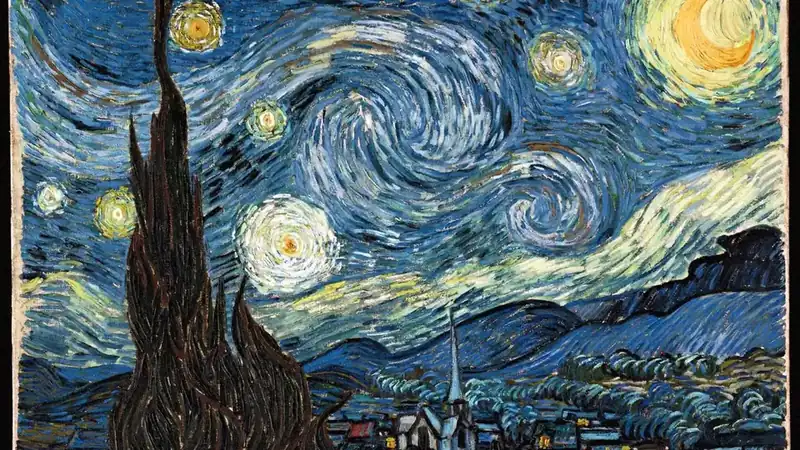
The film is by @bennett.reloaded, and it is painted in thick, swirling brushstrokes in the manner of Van Gogh — the first thing most viewers mention is the look, not the argument. Dave's complaint is the one every veteran programmer has made out loud or in their head: the newcomers arrive with AI writing their code, having skipped the years of unglamorous work. The mantis answers with a question: is it the time you respect, or what the time made? The man who walks to the next city knows the road better, the mantis concedes — but he arrives after everyone has gone home. Nobody is taking programming from you, the mantis says. “Write by hand until you die.” People still throw clay, people still bind books. What ends is the part where anyone needs you to — “That's the part I liked,” Dave admits. And the film closes on the beginning: Dave started at twelve because he made a square move across a screen and it was the best fun he ever had. You could be one again, the mantis tells him. A beginner.
Why it landed#
The top comment, at 229 upvotes, reads like the whole thread in one sentence: “That was...profound, and way more than I expected to see while doomscrolling with my coffee.” It is not a demo or a launch — it is the first viral artifact of the week that treats the AI-coding anxiety as a feeling rather than a benchmark. And the feeling is not confined to programmers. A pharmaceutical researcher wrote that it applies to drug R&D too, where they now run coding agents in parallel with their own work. A 3D modelling artist said AI-written code left them feeling “hollow”, as though they had “cheated”. The thread kept returning to the same fault line: the difference between knowing how to do something and needing to know how, and what is lost when the second half of that sentence disappears.
That fault line has been running through this site's coverage for months. A vibe-coded Photoshop rival crossed 20,000 users in September and Reddit argued about what it proved; this week, a developer rebuilt his entire daily app stack inside one program Claude rewrites on request. The mantis film is the same story told as a fable instead of a product launch — and it travelled further, faster, than either.
What the thread pushed back on#
The liveliest argument is over the film's central line. One commenter, u/VelvetSinclair, argues the walking metaphor works against the film's own point — the walker is “amazing”, the driver “just some schmuck among thousands” — and calls “What ends is the part where anyone needs you to” “kinda using a strawman”: people weren't just upset because they liked being needed, “They were paid to. Their livelihoods depends on it.” Bookbinding and clay employ far fewer people than programming, and the machines “weren't trained on how to do that by people who were never compensated”. The framing gets called out too: as u/ThanksNo8769 puts it, the skeptic is drawn agitated and anxious while the mantis is calm and confident — so the film has already picked its winner before the argument starts.
A second thread runs underneath it, about knowledge itself. One long comment argues that new production stages are “always earth shaking” — calculators, CAD, the internet — but that vibe coding “avoids much learning”, and warns that the world “still depends on systems written in COBOL that no one learns anymore”: “Knowledge shouldn't be obfuscated by easiness.” The counter, from another commenter: “Programming languages are an abstraction layer to make machine code easier to write. LLMs are just another abstraction layer.” And the jokes land in between — “was anybody else waiting for the praying mantis to eat the man?” (93 upvotes; the thread calls it Chekhov's mantis), and the suggestion that the creature be called the “CIA propaganda Mantis”.
Why it matters#
The film is not news in the usual sense. No launch, no benchmark, no funding round. It is a cultural artifact — the first thing this week that gave the AI-coding argument a form people could feel rather than argue about, and the thread underneath it is the most honest version of that argument anywhere online right now. It also shows where the argument has moved. The question is no longer whether the code works; OpenAI's coding agents now finish nearly half of two-to-four-hour research tasks on their own. The question is what happens to the people who used to write it, what happens to the knowledge underneath the abstraction, and whether “you could be a beginner again” is a consolation or a dare. The mantis film does not settle any of that. It just made 940 people stop scrolling long enough to argue about it properly — which, for a Thursday morning on r/ChatGPT, is the point.
What to watch#
Whether the film escapes Reddit — it has already been featured on the subreddit's Discord, and the creator's YouTube channel carries a landscape version for anyone who wants it bigger and sharper. The more interesting number to watch is not the upvote count but the shape of the argument it leaves behind: whether the next round of the vibe-coding debate is about livelihoods and lost knowledge, the two objections the thread kept returning to, rather than about benchmark scores. The mantis's answer — that nobody takes programming from you — is only comforting if the part that ends, the part where anyone needs you to, was never the part that mattered.
Sources: r/ChatGPT (November 19, 2026); @bennett.reloaded on TikTok, via the Reddit post; the creator's YouTube channel, @bennettreloaded (linked in the thread); Vincent van Gogh, The Starry Night (1889), via Wikimedia Commons (public domain).