He replaced Notion, Maps and his file manager with one app Claude rewrites on request — meet Equin
After seven months and more than 8,000 Claude sessions, one developer rebuilt every app he uses daily inside a single open-source platform — and when an app is missing a feature, he just asks it to add one. A 1:55 video on r/ClaudeAI shows the “self-evolving personal OS” in action.
- The post: r/ClaudeAI, Wednesday November 18, 10:55 a.m. EST; a 1:55 Reddit-hosted silent screen recording; 434 upvotes and 50 comments at reading.
- What it is: Equin, an open-source (Apache-2.0) agentic platform — an agent manager, background agents and a plugin system. The showcase is a “self-evolving personal OS”: custom clones of daily apps in one window.
- The numbers: 7 months of building, 8,000+ Claude sessions (the developer’s figures); 108 GitHub stars, 6,989 commits, 9 releases; repository created April 2026.
- The catch: it needs a Claude subscription; Mac and Linux for now (Windows via WSL2). Mobile support and cross-device sync are still to come.
- The correction: the build pipelines are not sandboxed — one experienced builder calls it “a mightier Claude Code harness” rather than full agent-scale software development. The developer agrees the gap between one-shot demos and everyday use is real.
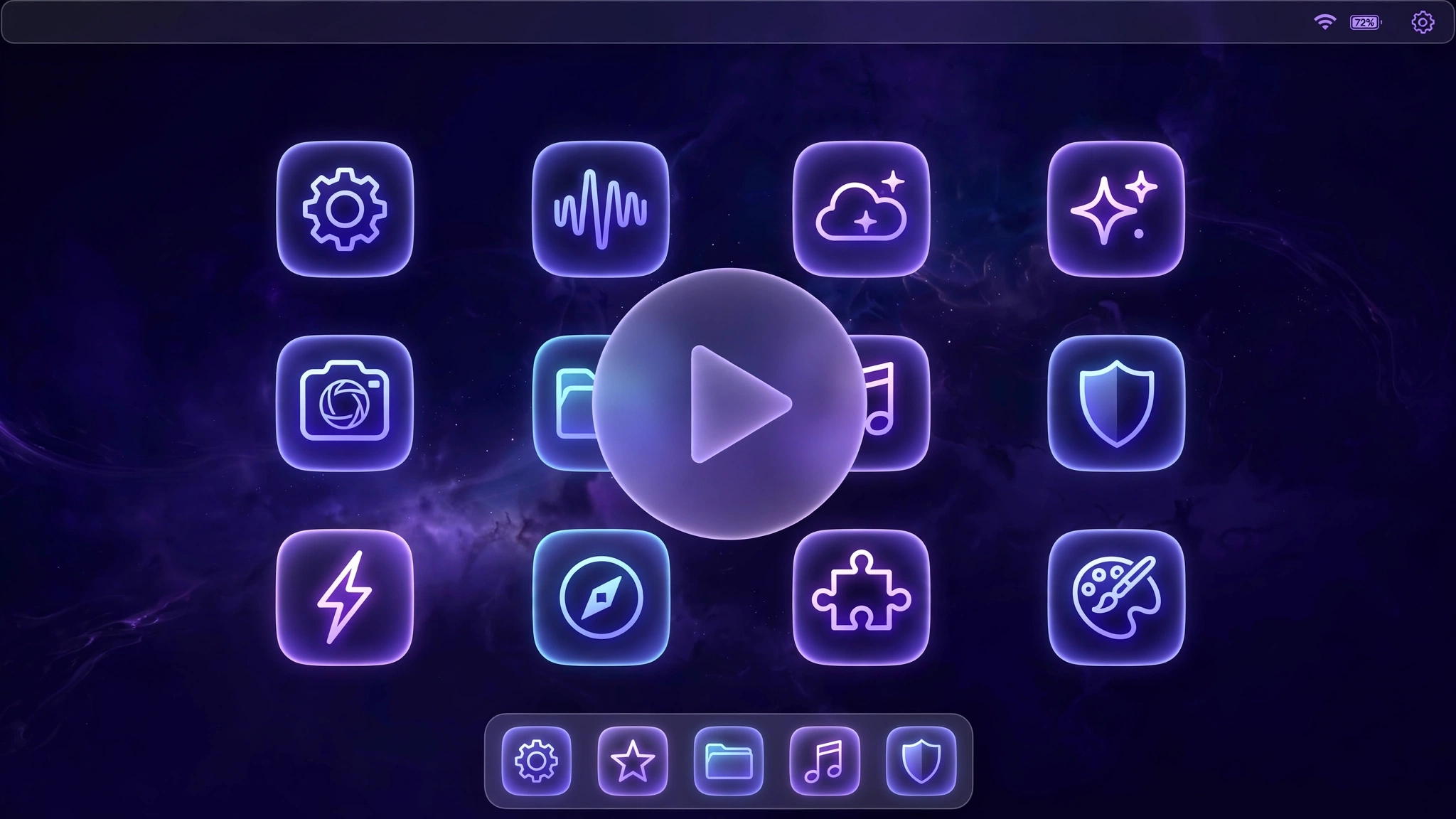
The video is one minute and fifty-five seconds long, silent, and mostly a screen recording of an app launcher. It still drew 434 upvotes on r/ClaudeAI overnight. What it shows is a developer's everyday apps — notes, maps, files, a piano tutor — rebuilt as clones inside a single window, and then the moment that makes people stop scrolling: he asks the Maps clone for a feature it lacks, opening and closing times for the places it lists, and the app adds it.
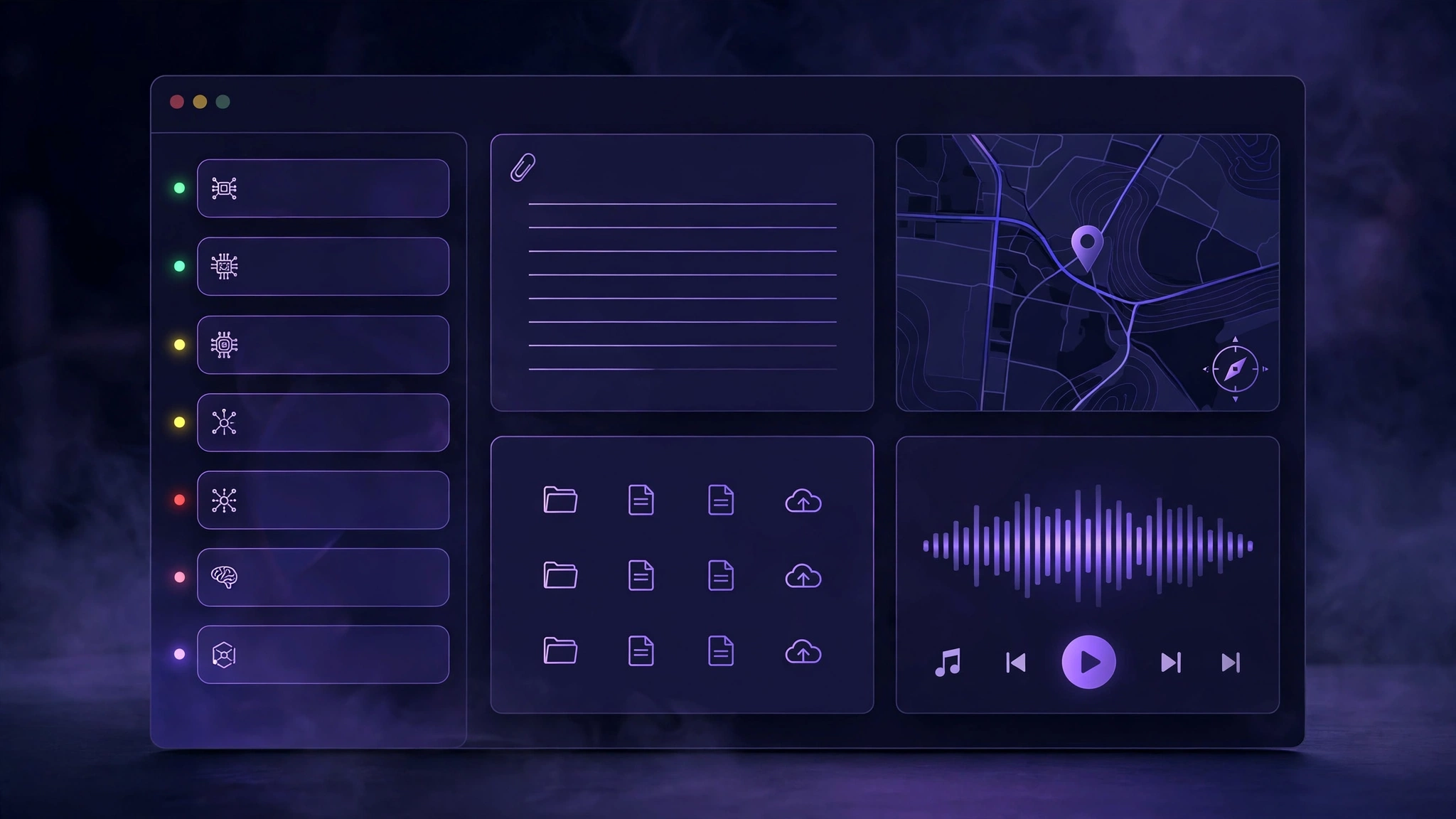
The developer, who posts as u/Conchylicultor, calls the project Equin, a “self-evolving personal operating system” — with his own caveat, repeated in the thread, that it is not technically an operating system. It is an open-source, Apache-2.0 platform for building large applications with Claude: an agent manager watching dozens of sessions in parallel, background agents that fix, push and update the app on their own, and a plugin system where every feature is a self-contained block any app can reuse. The personal OS is the showcase: custom versions of every app he uses daily — an agent manager, a Notion-like editor, a design tool, a map app, a piano-learning app, a file explorer and more — connected inside one monolith an agent can reshape while it runs.
What the video shows#
The clip, posted on Wednesday morning, has no narration — the interface does the talking. It opens on Equin’s launcher, moves through the rebuilt apps, and lingers on the Maps clone, where he asks for opening hours and the feature appears. Live demos of the agent manager, notes, design tool, map, piano tutor and file explorer run in the browser, no install needed. The post links the site, the GitHub repository and a Discord. The repository, created in April, shows 108 stars, 6,989 commits and 9 releases — a small audience for seven months of work.
Why he built it#
The project started with a frustration familiar to anyone running agents seriously. The developer found it mentally exhausting to run more than five or six agent conversations in parallel, because the available managers made it hard to track each conversation’s state. So he used Claude to build his own manager — then realized the harness and the primitives underneath it were generic enough to reuse, and set out to rebuild personal versions of every app he used, all inside one unified app. Seven months and more than 8,000 Claude sessions later — his figures, undisputed in the thread — the platform is, in his words, stable and mature enough for others to use.
Creating the apps was, by his account, the fun and easy part. The hard parts were the guardrails, automations, monitoring and iteration loops that let him trust agents to work on the codebase unsupervised; keeping a monolith of hundreds of thousands of lines fast to build, load and edit; and making each iteration faster than the last — very often, he writes, the bottleneck was the iteration loop, not implementation. His central trick: force the agent to decompose the codebase into small, self-contained, isolated plugins, cache intensively so a rebuild only recomputes the plugins a change touches, and queue builds so twenty agents cannot build at once. Performance tracked Claude itself: he struggled before Opus 5, and says Opus 5.5 “solved most of the remaining issues”.
What the thread pushed back on#
The reception was warm — one commenter called it “genuinely the coolest thing I’ve seen in this sub” — but the sharpest response came from a developer building something similar. After a closer look, u/TorbenKoehn edited his praise to add a correction: the system is smaller than his own, its “pipelines” are not really sandboxed, amounting to little more than local execution, and it is “barely agent-scale SDLC” — more accurately, in his words, a “mightier Claude Code harness”. The developer did not dispute the substance. He agreed that agents make it look as if any application can be one-shotted, while using one every day is another matter, and said most of the value is in the machinery hidden behind the interface.
Two smaller checks landed in the project’s favour. A commenter demanded to know the licence — “MIT or bust” — and the post names none; the repository, checked independently, carries an Apache-2.0 licence. The project’s site also describes “1M+ lines of code without human review” — its own claim, unverified in the thread.
Why it matters#
Equin is the latest in a run of Claude-built personal projects to break out of r/ClaudeAI this week — a 17 MB self-hosted Netflix and a fake sports league that plays and reports on itself both landed days earlier — but it is a different kind of story: a platform, not a demo, with a thesis attached. His argument is that the age of one application for many users will give way to everyone having their own custom system, built from shared plugins, with agents passing ideas between independent systems — a vision echoed in Imbue, Moldable and Wandesk, which he names himself. A parallel landed the same week: Koharu, a local-first manga translator rebuilt as a full AI editor. What Equin adds is the management layer: the bet is not just that agents can build software, but that they can be trusted to keep rebuilding the software you are using while you use it. The fine print keeps the bet honest: it needs a Claude subscription, runs on Mac and Linux for now (Windows via WSL2), and mobile support and cross-device sync are still to come.
What to watch#
The next evidence is hands-on: whether the plugin marketplace materializes, whether anyone beyond the author runs it daily, and whether the unsandboxed pipelines matter in practice. If the idea lands, the interesting number will not be GitHub stars — 108, and climbing slowly — but how many people trust an agent to rebuild the app they are using while they are using it.
Sources: r/ClaudeAI (November 18, 2026); equin.ai; GitHub repository equinai/equin.