White House says Trump was 'totally involved' in bringing Jensen Huang back — and Trump says Nvidia would be 'very sad' without him
Hours after Nvidia's board voted to bring Jensen Huang back, the White House moved to claim the credit: a spokesperson says President Trump was 'totally involved' in the return — a claim that goes well beyond what the board itself said about the government's role.
- The claim: White House spokesperson Steven Cheung said Trump was 'totally involved' in Huang's return, and that Nvidia would be in a much weaker position without him. Semafor first reported the statement.
- Trump's version: he told CNBC that without his involvement Nvidia would be a very sad company, and praised the board's decision on Truth Social.
- The board-call report: Semafor reported that Trump called into Nvidia's board meeting.
- What the board said: only that it received input from senior levels of the U.S. government. No board statement or filing mentions the president.
- The context: Trump had earlier discussed succession candidates with Huang, called for board chair Harvey Jones to resign, and promoted Dr. Robert Lavender as his preferred replacement.
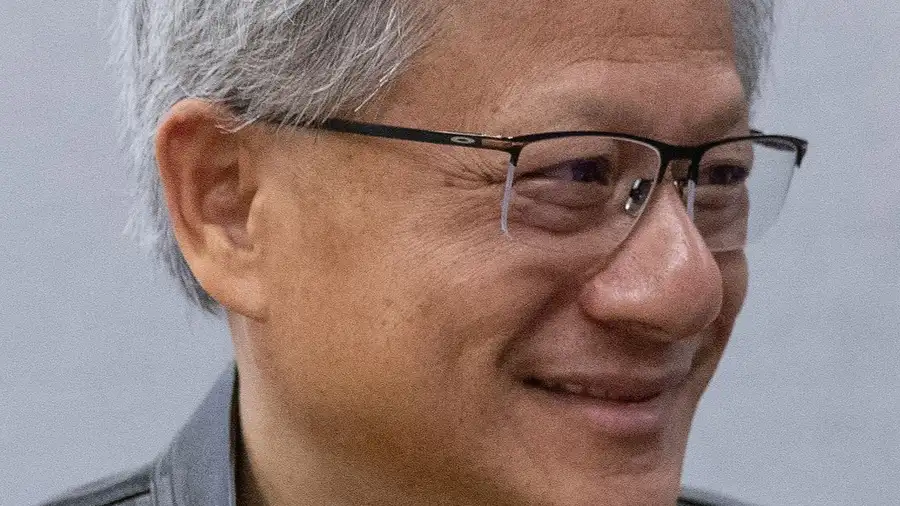
Jensen Huang is back at Nvidia. Now the White House wants the credit. Hours after the board's unanimous vote to reinstate its founder as chief executive, a White House spokesperson said President Donald Trump was 'totally involved' in bringing Huang back — and that without the president's involvement, Nvidia would be in a much weaker position than it is today.
The claim, first reported by Semafor and picked up by The Verge on Monday, goes considerably further than anything Nvidia itself has said. The board's own statement credited only input from senior levels of the U.S. government. It did not mention the president at all. What is new today is not the reinstatement — it is the White House's insistence that Trump was the decisive force behind it.
What the White House said#
White House spokesperson Steven Cheung said the president was 'totally involved' in the process of Huang returning as chief executive, and argued that the company would be in a much weaker and worse position today had Trump stayed out of it. The statement was first reported by Semafor.
Trump made the same point in his own voice. Speaking to CNBC, he said that without his involvement, Nvidia would probably be a very sad company. He then amplified the message on Truth Social, where he praised the board for making the right decision in bringing back its founder and chief executive, and predicted Huang would restore the company's fortunes.
Semafor also reported that Trump called into Nvidia's board meeting — the most concrete detail yet about how the president's involvement actually worked, though the report does not say what he told the directors.
What the board actually said#
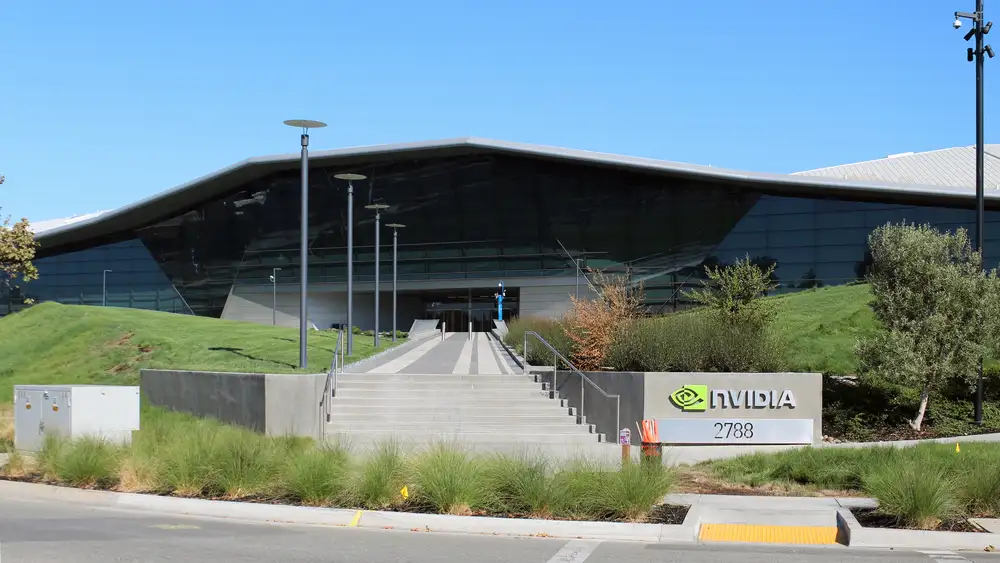
The reinstatement itself was announced on Monday morning. Nvidia said its directors had voted unanimously to restore Huang as president, chief executive and board member, effective immediately, eleven days after he resigned all three roles. The board said the vote followed a series of discussions and meetings with Huang, and that it had received input from senior levels of the U.S. government — input on which it based its confidence that the return poses no national security risk.
That is the full extent of what the company has said about Washington's role. No statement from the board, and no filing, mentions the president by name or describes him calling into a meeting. The gap between the board's careful wording and the White House's sweeping claim is the story now: two accounts of the same decision that do not line up.
The claim vs. the evidence#
To be clear, the White House has not produced evidence that Trump's involvement decided the vote — only its own assertion that it did. The board had reasons of its own to reverse course: Huang had said he would return if asked, investors and public figures including Elon Musk had called for his reinstatement, and the interim leadership under chief financial officer Colette Kress had just delivered a record $115.8 billion quarter. A board already leaning back toward its founder would not need a presidential push to get there.
But Trump was not a bystander in the saga either. Before the reinstatement, he told CNBC he had discussed with Huang who should be considered as a successor — and then publicly called for board chair Harvey C. Jones to resign. He also promoted Dr. Robert Lavender, described by Trump as his preferred America First candidate, as the man to replace Huang. That history makes the White House's claim plausible as political pressure; it does not make it proven as causation.
The distinction matters because the stakes are not only reputational. Huang's return is tangled up with a continuing independent investigation, a new board committee on national security and export controls, and — separately — a widening California investigation into Nvidia's China chip sales that we reported earlier today. If the White House wants the public to believe it steered a corporate boardroom, the evidence for how will have to be more than a spokesperson's statement.
What to watch#
First, whether the White House offers anything more concrete — a timeline, a readout, or a named official beyond the spokesperson's statement. Second, whether anyone on Nvidia's board confirms or contradicts the account that Trump called into its meeting. Third, the investigation: what the independent directors conclude, and whether the new export-control oversight survives Huang's return. And fourth, the market's read — whether investors treat the White House's claim as a sign of political backing for Nvidia, or as a reminder that the company at the center of the AI boom now answers to audiences beyond its shareholders.
For now, the record shows two things that are both true: the board voted unanimously to bring its founder back, and the White House says the president made it happen. Only one of those claims has a vote behind it.
Sources: The Verge — White House brags that Trump was 'totally involved' in getting Jensen reinstated (Mia Sato, Nov. 23, 2026); Semafor (via The Verge, first report of the White House statement and the board-call report); CNBC and Truth Social (via The Verge). Background: NVIDIA Newsroom — NVIDIA Board Reinstates Jensen Huang as President, CEO and Board Director (Nov. 23, 2026). Prior coverage: Nvidia reinstates Jensen Huang as CEO — unanimous board vote, with U.S. government input; Trump backs Tim Cook to succeed Jensen Huang as Nvidia CEO; Jensen Huang resigns as Nvidia CEO; CFO Colette Kress named interim chief; California widens its Nvidia probe to possible criminal violations over China chip sales.