A construction worker built a working construction simulator in three weeks with Claude and ChatGPT
He runs a hydrovac truck for a living and studied programming years ago but never became a developer. Three weeks ago he started building the construction simulator he always wished existed — Claude writes the code, ChatGPT handles the blueprints, and he corrects both from what he sees on the job every day.
- The build: about three weeks in Unreal Engine 5.7, roughly 2,040 lines of code, and about $2,500 all in — subscriptions, Tripo credits, and a server.
- The stack: Claude on the Ultra plan does most of the coding, ChatGPT Pro helped with the blueprints, and Tripo supplies the 3D models.
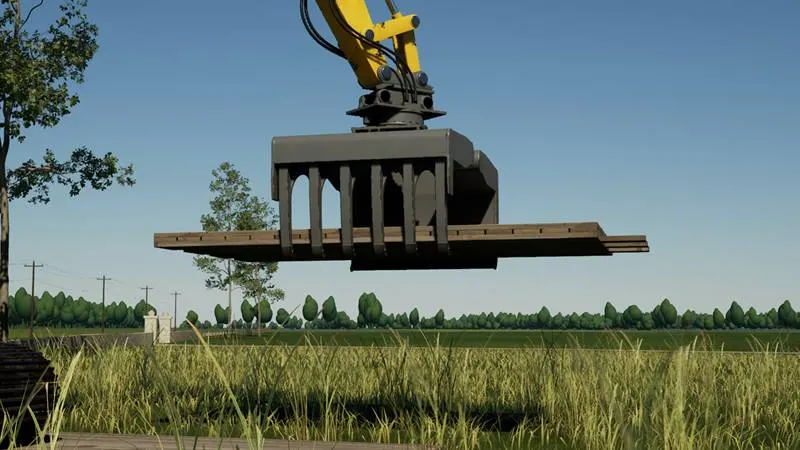
- The machines: eight — excavator, dozer, dump truck, hydrovac truck, skid steer, padfoot roller, water truck, and flat-deck truck — plus a mat grapple for laying access-mat roads.
- The detail that gives it away: mat roads, hydrovac daylighting, and terrain that stays dug come straight from the builder's day job running equipment.
- The status: no release date or price yet; an email signup on dirtworksim.com for when there is something to play.
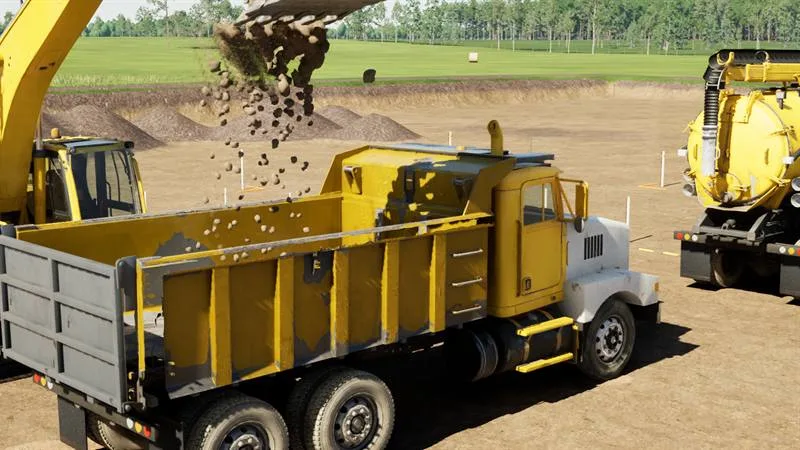 ▶
The most convincing demo of AI-assisted building this week did not come from a research lab or a startup. It came from a construction worker who says he never learned to code. On Monday evening, a 47-second clip posted to r/ClaudeAI showed an excavator digging into ground that deforms under the bucket, loading a dump truck, and leaving a hole that stays dug. The project is called Dirt Work Simulator — and its builder went from zero code to a working Unreal Engine 5 game in about three weeks.
The post has passed 500 upvotes, with a thread full of operators and players asking the same question: when can they try it? The answer, for now, is that they cannot. There is no release date and no price yet, just a website and an email list. But the clip, and the site behind it, make a case that the most interesting thing AI coding tools are doing right now is not replacing experts. It is handing them the keyboard.
What the video shows#
The clip is short and unpolished, which is part of its charm. It shows a construction site in Unreal Engine 5, machines moving dirt, and ground that behaves like ground: buckets come up heaped, soil spills and piles where it is dumped, and the holes stay dug. The builder's own account of what works is specific — the ground is diggable everywhere, there are eight machines, and you can lay access mats, haul with a truck and loader, and dig with physics rather than canned animations.
He is just as specific about what does not work yet: the controls feel off, the digging needs work, and it takes many rounds to get any one thing right. That candor is doing a lot of work in the thread. Nobody in the comments is accusing him of overselling a tech demo, because he is not selling anything — he is showing the current state of a three-week project, rough edges included.
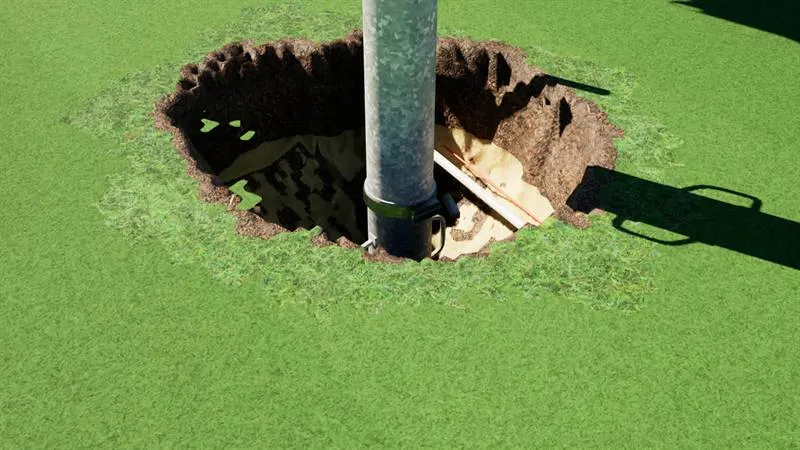
His site, dirtworksim.com, fills in the picture. It lists the jobs the sim is built around: laying mat roads with a grapple, one mat at a time; hydrovac daylighting, finding buried lines with water and suction instead of bucket teeth; digging a pond out, lining it with clay, and filling it. The pitch is a world that remembers — every hole, trench, and spoil pile stays exactly where it was left.
The stack: Claude codes, ChatGPT blueprints, Tripo models#
The build log is a tour of the current AI tooling shelf. Claude, on the Ultra plan, does most of the coding in Unreal Engine 5.7. ChatGPT Pro helped with the blueprints. Tripo supplies the 3D models. The tally so far is about 2,040 lines of code and roughly $2,500 all in — the two subscriptions, Tripo credits, and a server.
The division of labor is the interesting part. This is not one model doing everything; it is three tools, each doing what it is good at, with a human directing. The builder studied computer programming years ago but never followed through with it, so he is not starting from zero on the concepts — but he is not a working developer either. The code is the AI's job. Knowing what the code should do is his.
The part only an operator could build#
What gives the project away as built by someone who runs the machines for a living is the choice of details. Access matting is the builder's day job — he runs equipment and a hydrovac truck, mostly in access matting — so mat roads are not a gimmick feature, they are the job. Hydrovac daylighting is the kind of procedure a game studio would need a consultant to get right; here it is a core mechanic, because the person building it does it every day.
That is the pattern worth watching. The AI tools write the code, and the builder directs and corrects them from what he sees on the real job. The expertise is the product; the model is the lever. A general-purpose game studio could buy the same subscriptions tomorrow and still not know that a pond job needs clay lining, or that spoil piles slump the way they do.
What Reddit made of it#
The thread's reception has been warm, and notably specific. Commenters praised the truck models and the dirt physics, asked how the meshes were handled, and got detailed answers — the builder replied to many of them, including a question about how Claude and the 3D models fit together. One commenter accused him, without evidence, of being a Tripo marketing account; he denied it, and the thread moved on.
Asked what he wants the project to become, he said he hopes to inspire young people into the trades — and that the sim could work as a learning tool. It is a modest ambition for a project that has already done something larger: shown what happens when the person with the domain knowledge gets to build the software, instead of waiting for a software company to notice the domain.
What to watch#
For now, the honest answer to “when can I play it?” is that nobody knows. The site promises one email when there is something to play, and no date and no price yet. The real test is a playable build: 47 seconds of curated footage proves the concept, not the game. The controls, by the builder's own account, still feel off, and the digging still needs work.
But the direction is clear. Three weeks, about $2,500, and a working sim from someone whose day job is running the machines it simulates. If that ratio holds — and if other trades follow the same path — the next wave of simulators may not come from studios at all. It may come from the yard.
Sources: r/ClaudeAI — “I'm a construction worker, not a developer. 3 weeks with Claude, ChatGPT and Tripo got me this far on a construction sim” (u/TechStandpoint, November 23, 2026); Dirt Work Simulator — dirtworksim.com