Theo, a wheeled humanoid robot, restocked a Zurich supermarket on camera — and Reddit is checking the 400-items-an-hour claim
A video of Theo, a wheeled humanoid robot, restocking shelves in a Zurich supermarket spread fast on r/singularity: 400 items an hour, overnight, in the dark. The top comments did the math — and the poster conceded the number comes with conditions.
- The clip: a Reddit-hosted video posted to r/singularity on November 7 by u/Distinct-Question-16 — more than 300 upvotes and 160 comments by late Saturday evening.
- The robot: Theo, a wheeled humanoid from Theseus Robotics, a startup founded in 2026 and based in Zurich, backed by Y Combinator and led by CEO Samarth Malhotra.
- The claim: Theo restocks 400 items an hour overnight in the dark and picks online orders by day, with no store retrofit — retailer pilots are planned for 2027, with San Francisco next after Zurich.
- The catch: 400 an hour is 6.67 items a minute, and commenters say the footage looks slower than that; shelving is only half the job, and the robot is described as a development unit, not a finished product.
- The context: supermarket humanoids are now a pattern, not a one-off — in Denmark, HIVE Robots has been training humanoids in a Føtex store since June, aiming for independent night restocking by early 2027.
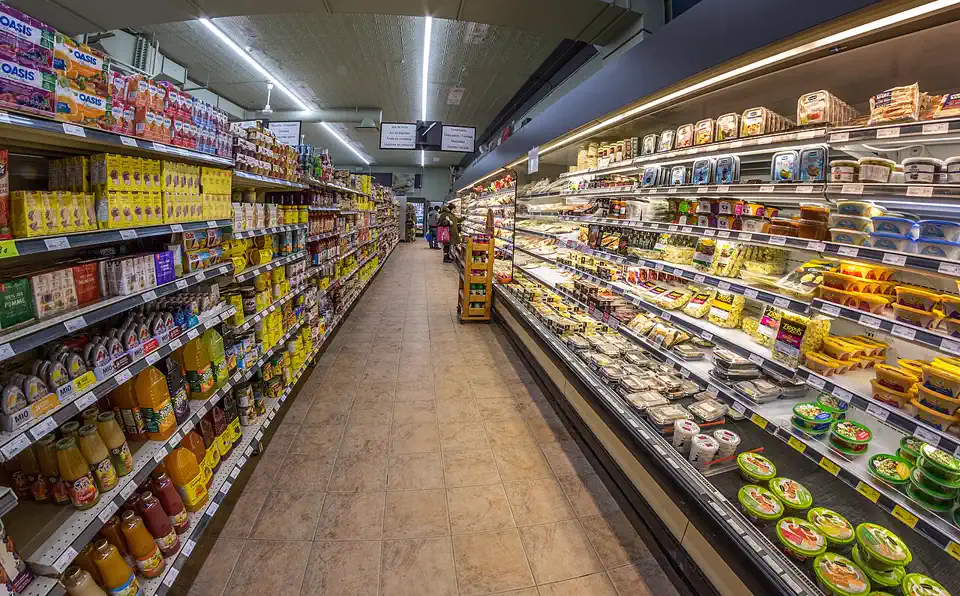
On Saturday evening, r/singularity got a look at the night shift of the near future. A video posted by u/Distinct-Question-16 shows Theo, a wheeled humanoid robot, restocking shelves in a Zurich supermarket after dark — and by late evening it had passed 300 upvotes and 160 comments. The post presents Theo as already working in the store: 400 items an hour, overnight, in the dark, and online orders handled by day. The video is the kind of clip that usually ends the argument. This time it started one.
The robot comes from Theseus Robotics, a startup founded in 2026 and based in Zurich, backed by Y Combinator and led by CEO Samarth Malhotra. The company pitches Theo for the hours supermarkets struggle to staff: restocking shelves overnight and picking online orders in the same store by day, with no store retrofit, plus rotating stock and acting on shelf data. Retailer pilots are planned for 2027, with San Francisco described as the next stop after Zurich. The footage itself comes from Theseus, which posted the video to X earlier the same day — the poster linked the company’s post when commenters asked for a source.
What the video actually shows#
The clip shows Theo moving along supermarket aisles in a darkened store, taking items from a trolley loaded with crates and placing them on shelves. Commenters describe the machine as a wheeled base with arms and claw-like grippers — one top reply calls it “a box on wheels with arms” and argues it only looks futuristic to attract investors. That is the first of the thread’s two big arguments: whether the humanoid shape is doing any work at all, or whether it is a design choice made for the demo reel. The second argument is about the number in the headline.
The 400-an-hour number, under the microscope#
Four hundred items an hour works out to 6.67 items a minute, one every nine seconds, sustained. That arithmetic did not take long to appear in the comments, and neither did the objection: several commenters say the pace visible in the footage does not match 400 an hour. When challenged, the poster conceded the point in part — replying that the headline leaves out the words “up to” and that 400 is the rate “in good conditions.” It is a meaningful concession, because the headline figure is the whole pitch: a robot that restocks at 400 items an hour is a replacement for a night crew; a robot that does it sometimes, in good conditions, is a demonstration with a rate attached.
One commenter asserted that a human worker can stock thousands of items an hour — an unverified claim, but it frames the bar Theseus has to clear. The number that matters is not the peak in a video but the sustained rate across a real shift, with real product mix, and Theseus has not published that.
Shelving is only half the job#
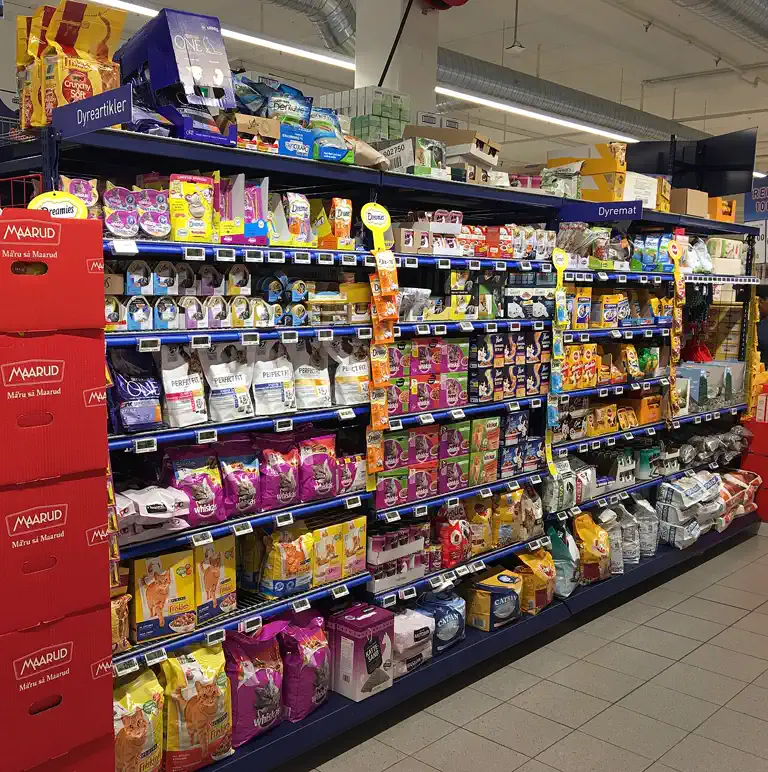
The most-liked substantive reply does not dispute the footage at all. It disputes what the footage proves. Shelving, the commenter argues, is only half the job: pallets still need unloading, cardboard and plastic still need removing, products still need decanting into totes, and none of that happens without humans setting up in the evening. Without that setup, the robot does not save time or money. The same commenter asks the question that decides whether the pitch works in a real store: what about produce, chilled and frozen goods, and “a pallet of bananas” — the awkward, heavy, perishable stock that makes up so much of a supermarket’s actual work?
Another top reply puts Theo in its proper category: a development unit, or kit, rather than a finished product. The real roadblocks, it argues, are maintenance, durability, accidents, legal issues and social implications — the unglamorous list that decides whether a robot survives contact with a real store, rather than whether it looks good in one. A third reply is blunter: “It just a stunt.” None of this debunks the robot’s existence — nobody in the thread credibly claims the footage is fake, and when one commenter asked “Is this real or just an AI video? Source please,” the poster answered with the Theseus post. What the thread does is refuse to take the headline at face value.
A pattern, not a one-off#
Theo is not the first humanoid to learn the supermarket night shift. In Denmark, the startup HIVE Robots has been training humanoid robots in a Føtex supermarket near Copenhagen since June, with the aim of independent restocking of selected products by early 2027. The machines there are built by China’s Unitree, and human operators still guide them through each step while the system learns. The Føtex operations director has said a chain-wide rollout could take up to five years, and Danish law would have to change before autonomous robots could work among shoppers. The Danish trial is the honest version of the story Theo is telling: real store, real products, slower than people, and years from deployment. Theseus is pitching the same destination on a much faster timetable — pilots in 2027, a year after founding.
Why it matters#
Supermarkets are becoming the proving ground for humanoid robots for a simple reason: the night shift is hard to staff, the work is repetitive, and the environment is structured enough to be navigable and varied enough to be a real test. Shelf-scanning robots already report empty shelves at scale. The harder and more valuable job is placing the product, rotating stock, and picking an online order without staff rescue — and that is exactly what Theo is being sold to do. If the claimed rate holds across real stores, Theseus can sell labor and shelf data in one monthly fee. If it does not, Theo joins a long line of retail robots that worked in demonstrations and stalled in the aisle. The same test is already running elsewhere: a Unitree humanoid demo video drew the same mix of awe and skepticism on r/singularity in September, and the verdict there, as here, came down to what the footage did not show.
What to watch#
Three things will decide whether Theo is a product or a pitch. First, the 2027 pilots: which retailers sign up, and whether Theseus publishes unedited footage of full shifts rather than edited highlights. Second, the rate across product types — the bananas question. A robot that restocks cereal boxes at 400 an hour and cannot handle produce, chilled goods or frozen food is a partial worker, and supermarkets do not hire partial workers for the night shift. Third, the autonomy question the thread keeps circling: how much of the footage is the robot working alone, and how much is remote supervision or a staged run? The Danish trial is explicit that humans still guide every step. Theseus has not said the same, and has not said the opposite. Until it does, the fair description of the video is what it is: a wheeled humanoid restocking shelves in a Zurich supermarket, on camera, at a rate the internet is still checking.
Sources: the original post by u/Distinct-Question-16 on r/singularity; the Theseus Robotics post on X; RuntimeWire on the unveiling and 2027 pilot plans; Y Combinator and CB Insights on the company; RobotsBeat on the HIVE Robots / Føtex trial. Commenter claims about human stocking rates and store operations are reported as thread claims, not independently verified. The photographs are CC-licensed via Wikimedia Commons.